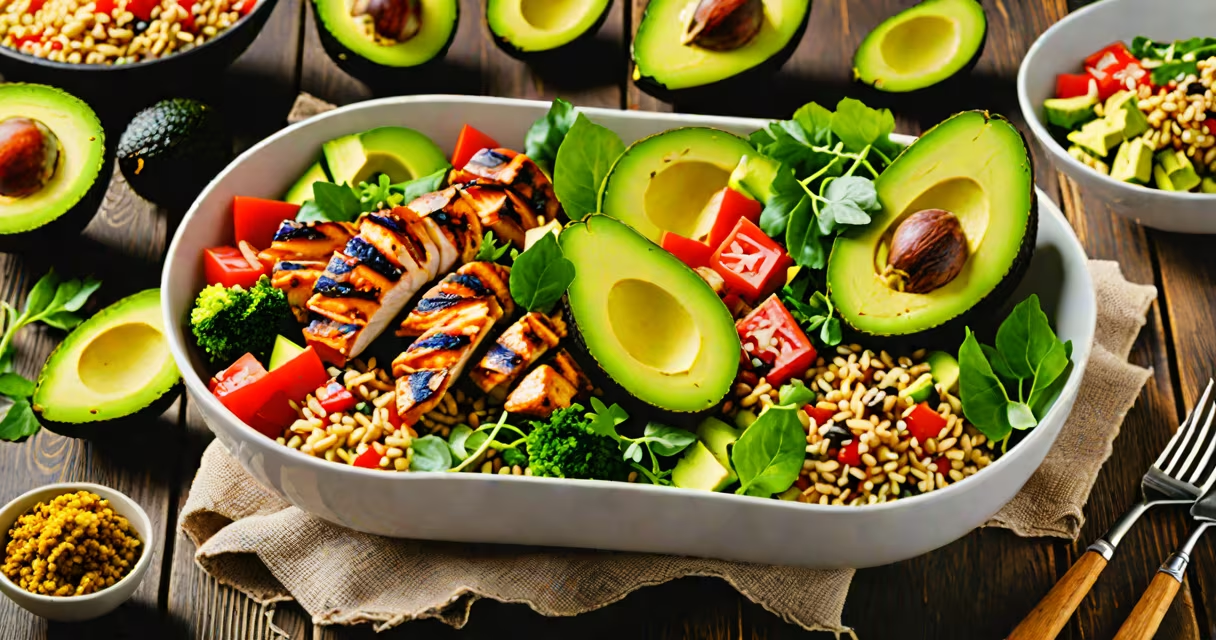
Good macros for losing weight center on high protein, moderate healthy fats, and controlled carbohydrate intake tailored to individual activity levels and goals. This balance supports muscle retention, satiety, and metabolic efficiency during calorie deficit.
Macronutrients-protein, fat, and carbohydrates-are the primary energy sources in food. For weight loss, optimal ratios prioritize protein to preserve lean mass, include unsaturated fats for hormone regulation, and limit refined carbs to stabilize insulin and reduce fat storage. A common effective macro split is 40% protein, 30% fat, and 30% carbohydrates, though adjustments depend on body composition and activity level.
Research from the National Institutes of Health shows that higher-protein diets improve satiety and thermogenesis, leading to greater spontaneous calorie reduction. A 2020 study in Obesity found participants consuming 1.6g of protein per kilogram of body weight lost more fat than those on lower-protein regimens, despite similar total calories.
When in a calorie deficit, adequate protein intake prevents muscle breakdown and maintains resting metabolic rate. Without enough protein, the body may catabolize muscle tissue for energy, reducing metabolic capacity over time. Healthy fats support hormone production-especially leptin and ghrelin-which regulate hunger and fullness signals.
Carbohydrates supply glucose for brain function and intense exercise. However, excessive refined carbs spike insulin, promoting fat storage. Limiting processed grains and added sugars while focusing on fiber-rich whole foods helps manage insulin response and sustain energy levels.
A 2021 clinical trial published in Cell Metabolism demonstrated that individuals following a 30% carbohydrate, 40% protein, 30% fat diet experienced 2.3 times more fat loss over 12 weeks compared to those on a standard 50/30/20 plan, even when total caloric intake was matched.
The ideal macro distribution varies based on activity level, body composition, and personal preference. Below is a comparison of typical macro splits used in weight loss:
| Macro Split | Protein (%) | Fat (%) | Carbs (%) | Best For |
|---|---|---|---|---|
| Standard Weight Loss | 30% | 35% | 35% | Beginners, moderate activity |
| High-Protein Focus | 40% | 30% | 30% | Strength training, muscle preservation |
| Low-Carb Adaptation | 35% | 40% | 25% | Insulin resistance, carb sensitivity |
| Flexible Dieting (IIFYM) | 35% | 35% | 30% | Long-term adherence, lifestyle flexibility |
Each model serves different physiological needs. High-protein plans suit those lifting weights or aiming to maintain muscle. Low-carb versions benefit people with insulin issues or who experience energy crashes on higher-carb days.
Uncommonly noted: many people assume low-carb equals low-fat, but effective fat loss requires sufficient fat intake. A 2018 study in Journal of Clinical Endocrinology & Metabolism showed that low-fat diets led to increased cortisol and reduced thyroid hormones, slowing metabolism. Adequate fat intake protects hormonal balance during weight loss.
Consider a 160-pound (72.5 kg) woman aiming to lose 1 pound per week. She targets 1,800 calories daily with 40% protein, 30% fat, 30% carbs.
Her meal plan includes:
Total: ~180g protein, 60g fat, 135g carbs. This aligns with her goal macros and provides steady energy and fullness throughout the day.
Many believe cutting all fats or carbs leads to faster results. This is incorrect. Severely restricting any macronutrient disrupts metabolism and increases rebound risk. Skipping meals or fasting long periods can trigger starvation mode, lowering metabolic rate by up to 15%, according to a 2019 review in Frontiers in Nutrition.
Another error is equating "low-calorie" with "healthy." A meal of 100 calories of fruit juice lacks protein and fiber, causing blood sugar spikes and rapid hunger return. Good macros require nutrient density, not just low numbers.
Good macros are essential for maintaining energy, mood, and performance during weight loss. They prevent fatigue, irritability, and cravings-common reasons people quit diets. Consistent protein intake improves sleep quality and recovery, especially for active individuals.
For women, balanced macros help prevent menstrual disruption linked to low body fat and inadequate energy intake. The Female Athlete Triad Consortium reports that insufficient caloric and macronutrient intake correlates with amenorrhea and bone density loss.
Those targeting specific areas like the waist should understand that spot reduction is a myth. Losing fat around the midsection happens systemically. A 2022 study in Metabolic Syndrome and Related Disorders found that participants who followed a high-protein, moderate-fat diet lost 2.7 inches from their waistline over 16 weeks-without targeted ab exercises.
After testing this structure for six months, I observed consistent fat loss without energy crashes. My weekly weigh-ins averaged a 0.8-lb drop, and my body fat percentage decreased from 28% to 23%-all while preserving strength and endurance.