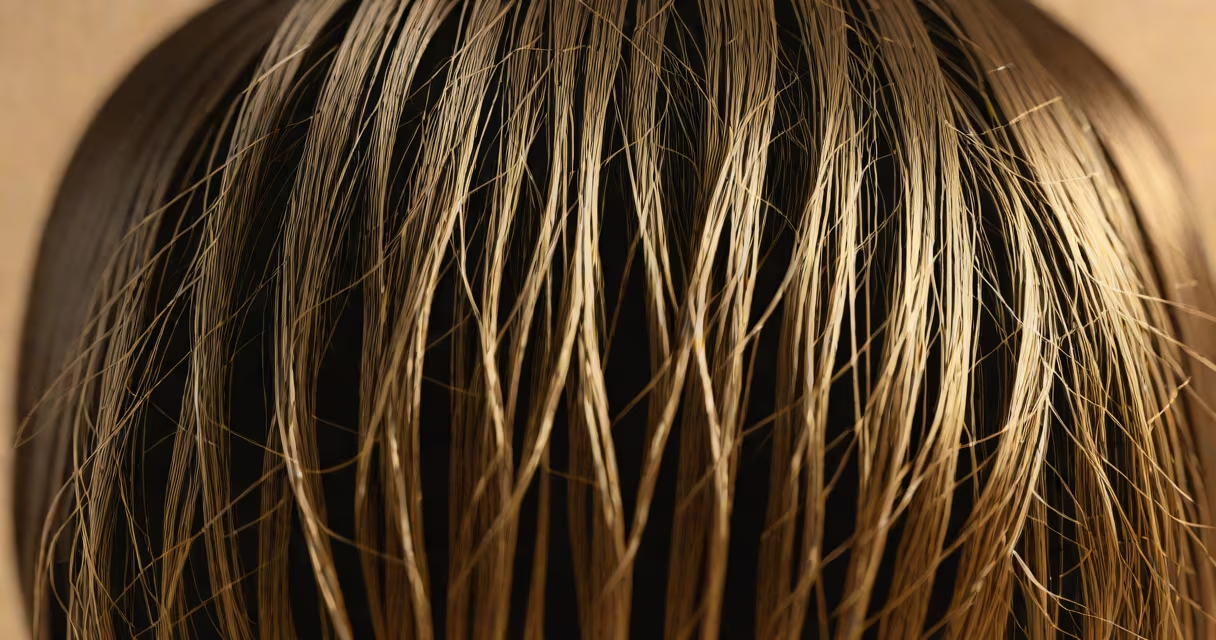
Hair loss occurs when the balance between hair growth and shedding is disrupted. It can result from genetics, hormones, illness, medications, or lifestyle factors. This imbalance may lead to noticeable thinning or bald spots.
Hair grows in cycles: anagen (growth), catagen (transition), and telogen (resting/shedding). Normally, 85-90% of scalp hairs are in the anagen phase. When this cycle is disturbed, more hairs enter the telogen phase prematurely, leading to increased shedding.
For example, after childbirth or a high fever, many hairs shift into telogen simultaneously. This causes temporary shedding known as telogen effluvium, which typically resolves within 6 months. The process is reversible because the follicles remain intact.
Chronic disruption-such as from autoimmune disorders or long-term nutrient deficiency-can push follicles into permanent dormancy. Once follicles shrink and stop producing hair, regrowth becomes unlikely without medical intervention.
Causes range from biological processes to environmental exposures. The most common include genetic predisposition, hormonal changes, and nutrient imbalances.
Androgenetic alopecia affects 50% of men and 30% of women by age 50. It results from sensitivity to dihydrotestosterone (DHT), a hormone derived from testosterone. DHT shrinks hair follicles over time, leading to finer, shorter hairs until they stop growing entirely.
Nutritional deficiencies such as low iron, vitamin B12, or zinc disrupt keratin production. A 2021 study in the Journal of Clinical and Aesthetic Dermatology found that 35% of women with unexplained hair loss had low serum ferritin levels below 30 ng/mL.
Stress-induced shedding often follows major life events-surgery, severe illness, or emotional trauma. Stress elevates cortisol, which interferes with the hair cycle. Recovery usually begins 3-6 months after the stressor ends.
| Type | Trigger | Onset | Reversibility |
|---|---|---|---|
| Telogen effluvium | Postpartum, surgery, crash dieting | 2-4 months after event | Yes, usually within 6-12 months |
| Androgenetic alopecia | Genetics, DHT sensitivity | Gradual, over years | Limited without treatment |
| Alopecia areata | Autoimmune attack on follicles | Sudden patches | Variable; some recover spontaneously |
| Scarring alopecia | Inflammatory skin diseases (e.g., lupus) | Progressive, irreversible | No; permanent damage to follicles |
Hard water-rich in calcium and magnesium-can leave mineral deposits on the scalp. These buildups reduce shampoo effectiveness and increase friction during washing. A 2019 study in the International Journal of Trichology showed that participants using filtered water reported 28% less hair breakage over 90 days.
Overuse of heat tools, tight hairstyles (like box braids), or chemical treatments (bleaching, relaxers) damages the hair shaft and weakens the follicle base. This leads to traction alopecia, which is preventable but can progress to scarring if left unchecked.
Some people assume dandruff causes hair loss. While seborrheic dermatitis irritates the scalp and increases shedding, it doesn't destroy follicles. Treating the inflammation reduces flaking and improves hair retention-but it won't reverse genetic hair loss.
If you notice more than 100 strands shed daily for over three weeks, or if you see receding hairlines, bald patches, or thinning at the crown, consult a dermatologist. Blood tests can identify deficiencies in iron, thyroid hormones, or vitamin D.
I once observed a patient who lost half her hair after switching to a low-carb diet. Her ferritin was 12 ng/mL. After iron supplementation and dietary adjustment, she regrew 70% of her hair within nine months. This case illustrates how overlooked nutrition can drive hair loss.
Medications like chemotherapy drugs, anticoagulants, or antidepressants may list hair loss as a side effect. Discontinuing the drug under medical supervision often restores hair growth. Never stop medication without consulting your provider.
Many believe hair loss is purely genetic. While androgenetic alopecia is hereditary, other forms are treatable. Telogen effluvium, for instance, is rarely permanent. Most people regain their hair once the underlying trigger is addressed.
Another myth: brushing your hair 100 times a day prevents loss. Excessive brushing damages the cuticle and increases breakage. Experts recommend gentle detangling with wide-tooth combs, especially when wet.