The term "LGBTQ" and the modern movement it represents were not established on a single founding date. Instead, the collective identity emerged gradually through decades of activism, cultural shifts, and key events-most the 1969 Stonewall uprising. The acronym itself gained widespread use in the 1990s.
"LGBTQ" is not a formal organization with a charter or a founding convention. It is a shorthand label for a diverse group of people whose identities include lesbian, gay, bisexual, transgender, queer, and other sexual and gender minorities. The concept of a unified LGBTQ community with shared goals and public visibility began to take shape in the late 20th century, following years of criminalization, medical pathologizing, and social exclusion.
While the term "gay" was used in the early 20th century, and organizations like the Mattachine Society (founded 1950) and the Daughters of Bilitis (1955) existed to support LGBTQ people, they operated in secrecy due to legal risks. The modern LGBTQ rights movement as we recognize it today began to coalesce after the 1969 Stonewall riots in New York City, when patrons of the Stonewall Inn-a gay bar in Greenwich Village-resisted a police raid. The resistance lasted several days and sparked sustained protest, leading to the formation of activist groups like the Gay Liberation Front.
The evolution of the LGBTQ identity wasn't linear. Before the 1960s, LGBTQ people often had no shared political vocabulary or community infrastructure. Medical institutions classified homosexuality as a mental illness until 1973, when the American Psychiatric Association removed it from the Diagnostic and Statistical Manual of Mental Disorders (DSM).
Activism intensified after Stonewall. In 1970, the first Pride marches were held in New York, Los Angeles, and Chicago to commemorate the anniversary of the uprising. These events marked the beginning of annual public demonstrations advocating for civil rights, anti-discrimination laws, and visibility.
By the 1980s, the HIV/AIDS crisis galvanized a new wave of organizing. Groups like ACT UP (AIDS Coalition to Use Power) used direct action-including sit-ins and die-ins-to demand government attention and faster drug approval. Their tactics brought national media coverage and shifted public perception of LGBTQ people from deviants to victims of systemic neglect.
Several events laid the foundation for the modern LGBTQ movement:
These milestones were not isolated incidents. They built on earlier efforts, including the 1958 Compton's Cafeteria riot in San Francisco-where transgender women and drag queens resisted police harassment-and the 1970s feminist movements that intersected with LGBTQ liberation.
The acronym "LGBTQ" stands for lesbian, gay, bisexual, transgender, and queer. The inclusion of "Q" reflects both identity and political alignment-queer is reclaimed as a term of empowerment. The addition of "+" in "LGBTQ+" acknowledges other identities such as intersex, asexual, pansexual, and Two-Spirit people.
Before the 1990s, most public discourse used "gay" or "homosexual." The term "LGBTQ" first appeared in print in academic and activist circles around 1990. Its adoption accelerated in the 2000s as schools, corporations, and governments adopted inclusive language. The term now serves as a unifying identifier in policy, education, and media.
A common misconception is that LGBTQ rights began in the 1990s or 2000s. In reality, the groundwork was laid decades earlier. For example, the 1955 case of *Stonewall* was not the first arrest of LGBTQ people-police raids on gay bars were routine. What made Stonewall different was the refusal to comply. As historian David Carter notes in his book *Stonewall: The Riots That Sparked the Gay Revolution*, the uprising "was not the beginning of the movement, but the moment when it became visible to the world."
Many assume "LGBTQ" refers to a single organization or a specific historical event. It does not. There is no "founding document" or "first meeting." The movement is decentralized, global, and rooted in local struggles.
Another misunderstanding is that LGBTQ identity is a modern invention. Historical records show same-sex relationships and gender-nonconforming roles in ancient Greece, Indigenous cultures across North America, and pre-colonial African societies. The term "gay" appears in 19th-century French literature, and "transgender" was used medically as early as 1920. Identity labels evolve, but the experiences they describe are not new.
One non-obvious fact: the first known use of "LGBTQ" in a public context occurred in a 1990 pamphlet distributed at a conference in Toronto titled "The Future of Queer Politics." The term was not widely recognized until the late 1990s, when it entered mainstream media during debates over same-sex marriage and military service.
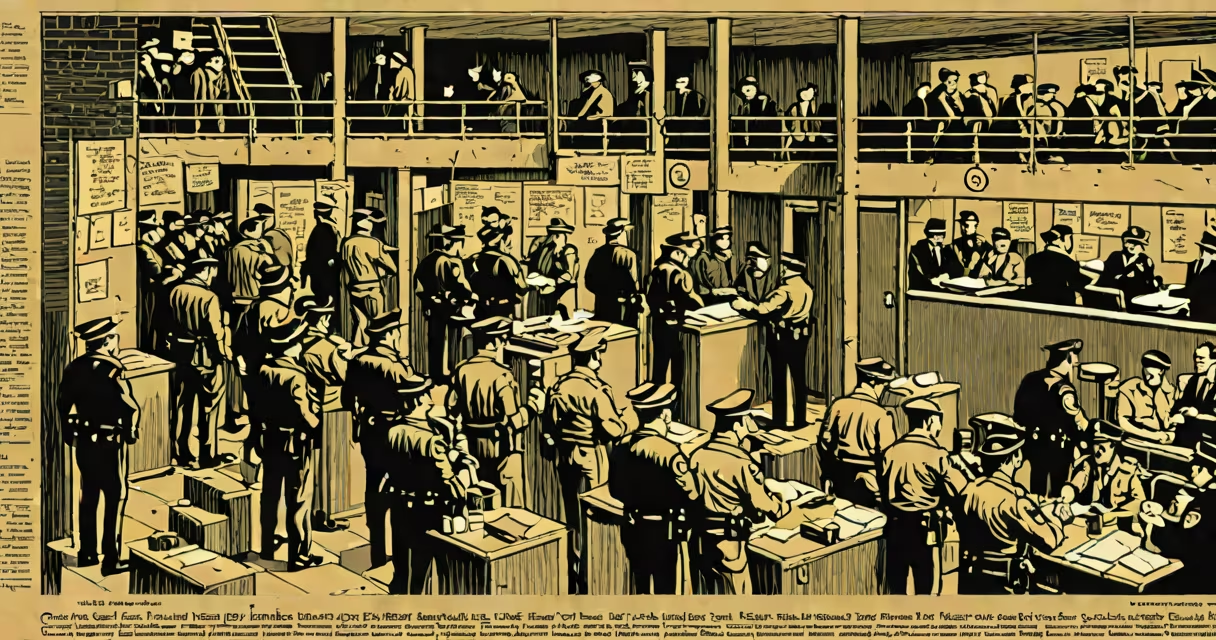
On June 28, 1969, New York City police raided the Stonewall Inn, a bar frequented by LGBTQ people. Such raids were routine at the time. But this time, patrons fought back. The crowd grew from dozens to hundreds. Police used batons and dragged people into vans. Witnesses reported people throwing bottles and bricks.
Over the next five nights, demonstrators returned. The protests drew media attention and inspired the creation of activist groups. The first Pride march was held the following year, on June 28, 1970. It began in Greenwich Village and ended at Central Park. Organizers estimated 5,000 attendees.
This event did not create the LGBTQ movement-but it crystallized it. As activist Marsha P. Johnson, a Black transgender woman who participated in the protests, later said: "We weren't asking for permission. We were demanding our existence."
There is no single date when "LGBTQ" was founded. The movement developed over decades, with critical moments like the 1969 Stonewall uprising serving as turning points. The term "LGBTQ" itself emerged in the 1990s as a way to unify diverse identities under one banner.
Understanding this timeline prevents misattributing progress to a single year or event. The fight for LGBTQ rights involves continuous effort across generations, cultures, and nations. Progress is not linear-it includes setbacks, internal debates, and evolving priorities.