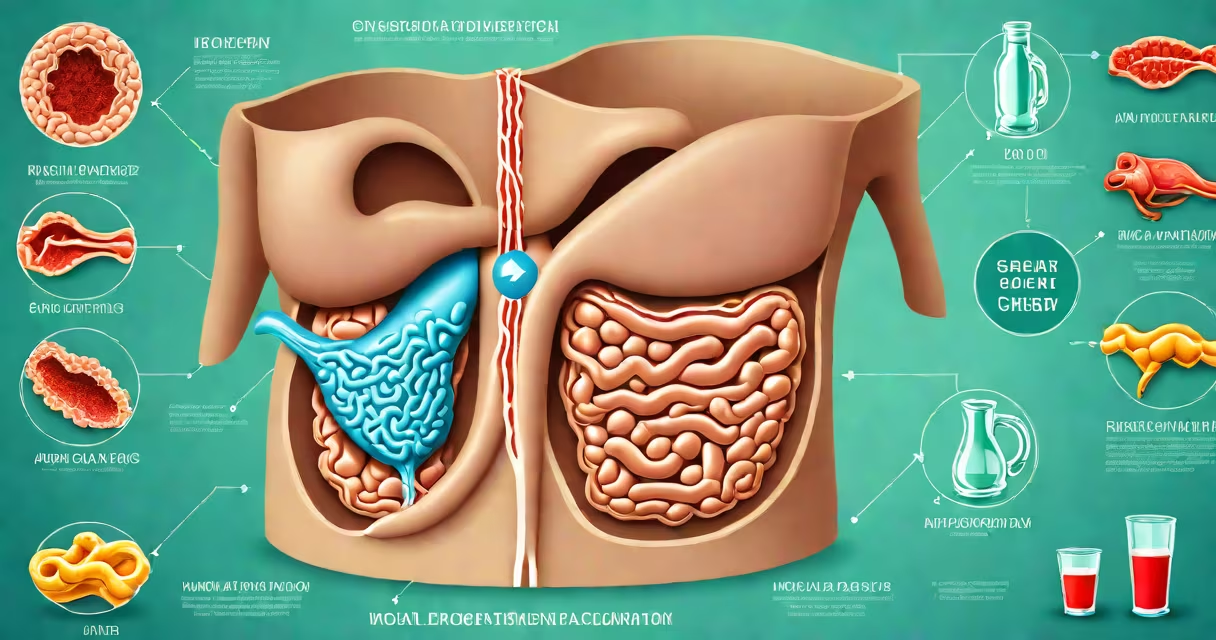
Fluid in your stomach, clinically termed ascites, occurs when excess fluid accumulates in the peritoneal cavity-the space between the abdominal organs and the abdominal wall. This condition typically signals an underlying illness rather than being a standalone issue.
Ascites develops when pressure in the blood vessels of the liver increases or when proteins in the blood drop too low, causing fluid to leak into the abdomen. The most common cause is cirrhosis of the liver, which accounts for about 80% of cases, according to the American Liver Foundation. Other serious contributors include heart failure, kidney disease, and certain cancers.
When fluid builds up, it often leads to visible swelling, discomfort, and difficulty breathing. A physical exam may reveal a distended belly, and imaging tests like ultrasound can confirm the presence of fluid. Blood tests and paracentesis-removing fluid via a needle-help identify the root cause.
Fluid accumulation begins when the balance of forces regulating fluid movement between blood vessels and tissues breaks down. Normally, fluid leaks out of capillaries and is returned via the lymphatic system. When this system fails or pressure rises, fluid pools in the abdomen.
In liver disease, scar tissue from cirrhosis blocks blood flow through the liver. This increases pressure in the portal vein, which runs from the digestive tract to the liver. High pressure forces fluid into the abdominal cavity. The liver also produces less albumin-a protein that keeps fluid in blood vessels-so fluid escapes more easily.
For example, a 58-year-old man with a history of heavy alcohol use developed progressive abdominal swelling over six weeks. An ultrasound confirmed 3 liters of fluid. Blood work showed low albumin and elevated liver enzymes. He was diagnosed with alcoholic cirrhosis and treated with diuretics and sodium restriction.
Ascites is rarely due to a single factor. Instead, it's a symptom of systemic disease. The most frequent causes include:
| Condition | Prevalence in Ascites Cases | Key Mechanism |
|---|---|---|
| Cirrhosis (liver scarring) | ~80% | Portal hypertension and hypoalbuminemia |
| Heart failure | ~10% | Right-sided heart failure increases abdominal venous pressure |
| Peritoneal carcinomatosis (cancer spread) | ~5% | Tumor cells disrupt fluid regulation in the peritoneum |
| Pancreatic ascites | <1% | Leakage from pancreatic ducts into the abdomen |
Other rare causes include tuberculosis peritonitis, nephrotic syndrome, and severe infections. Each requires distinct diagnostic steps and treatments.
One non-obvious point: ascites can occur without obvious signs of liver disease. A 2021 study in *Gastroenterology* found that 15% of patients with malignant ascites had no prior diagnosis of cancer. This highlights the need for thorough evaluation-even in people without risk factors.
Early ascites may cause no symptoms. As fluid builds, individuals report bloating, weight gain, tight-fitting clothes, and abdominal discomfort. Severe cases lead to shortness of breath, especially when lying flat, due to pressure on the diaphragm.
Doctors use a combination of tools to diagnose. A physical exam may detect shifting dullness-a sign of fluid. Ultrasound confirms fluid volume and rules out tumors. Paracentesis, drawing fluid with a needle, allows analysis for infection, cancer cells, or high protein levels indicating inflammation.
For example, a woman with unexplained weight gain and fatigue underwent paracentesis. The fluid had a high protein level and white blood cell count-indicating infection. She was later diagnosed with tuberculous peritonitis, a form of abdominal TB. Without testing, this would have been missed.
Ascites is often confused with bloating or gas, especially in people with irritable bowel syndrome. Bloating feels tight and may come and go. Ascites causes steady, progressive swelling and is associated with medical conditions like liver disease or cancer.
Another common mix-up: ascites versus ovarian cysts in women. Both can cause abdominal enlargement. But ovarian cysts are usually unilateral (one side), while ascites affects the entire abdomen. Imaging helps differentiate-ultrasound shows fluid surrounding organs in ascites, not a solid mass.
Some patients mistake ascites for weight gain. However, fluid retention doesn't reduce fat stores. A person with ascites may lose muscle mass while gaining water weight. Measuring waist circumference or using bioimpedance analysis can clarify the difference.
Ascites is a red flag for serious illness. Seek immediate care if you notice sudden abdominal swelling, shortness of breath, fever, or confusion. These may indicate infection (spontaneous bacterial peritonitis) or worsening liver function.
I once saw a patient who delayed treatment for months, thinking his bloating was due to diet. By the time he presented, he had tense ascites, low blood pressure, and required hospitalization. Early intervention prevents complications like infection, kidney failure, and respiratory distress.
Understanding what causes fluid in your stomach is critical. It's not just a symptom-it's a signal. Identifying the root condition early improves outcomes and guides effective treatment.