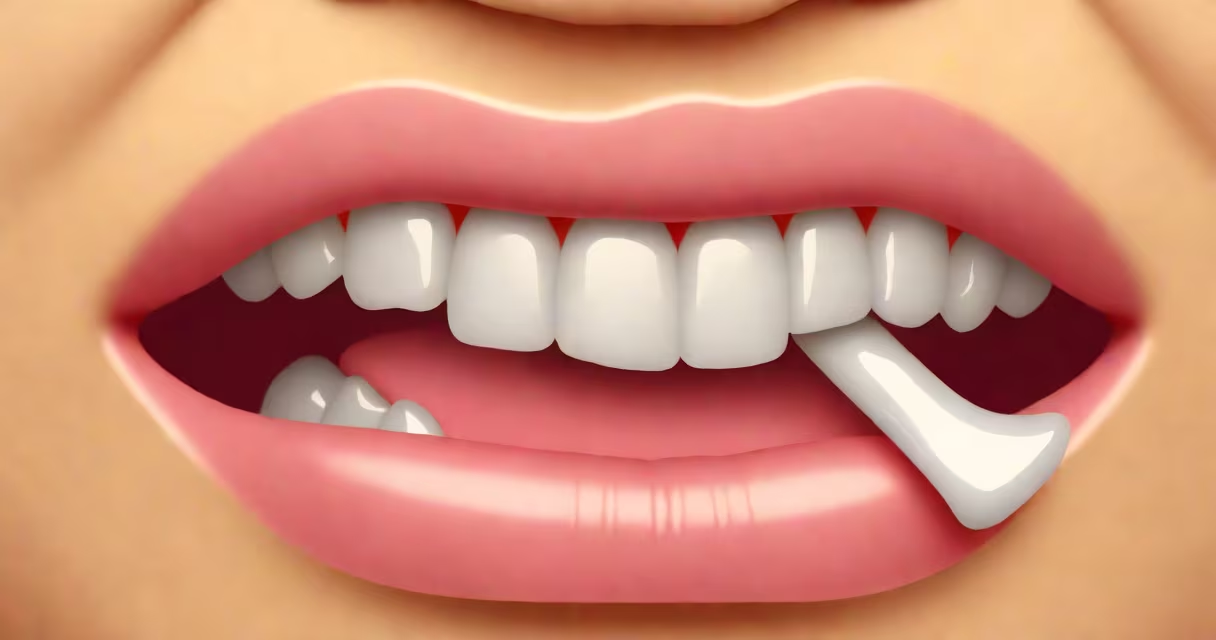
A white film on your tongue is a visible layer of dead cells, bacteria, food particles, and sometimes yeast that accumulates on the surface of the tongue's papillae. It often appears as a thick, patchy, or uniform coating and may be accompanied by bad breath or altered taste. This condition is common and usually temporary, though persistent cases may signal underlying issues.
The tongue's surface is covered in tiny projections called papillae, which trap debris and microorganisms. When saliva flow slows or oral hygiene declines, this material builds up and forms a visible film. Most cases resolve with brushing the tongue or improving hydration and diet. However, a white film that doesn't go away or spreads beyond the tongue may indicate infection or systemic imbalance.
Oral flora naturally includes bacteria and fungi such as Candida albicans. Normally, these remain in balance. But when conditions favor overgrowth-such as reduced saliva, antibiotic use, or weakened immunity-the yeast can form a thick, curd-like coating on the tongue. This is known as oral thrush, a fungal infection that appears as white patches that can be wiped off, leaving red, raw tissue underneath.
Debris accumulation is more common after eating protein-rich meals or during dry mouth episodes. Saliva normally washes away buildup, but factors like dehydration, mouth breathing, or medications (e.g., antihistamines, antidepressants) reduce salivary flow. Without rinsing action, debris clumps in the grooves of the tongue, forming a white film. Brushing the tongue daily removes most of this buildup.
According to the American Dental Association, 60% of people report noticing a white tongue at least occasionally. It is not inherently dangerous, but persistent cases warrant evaluation to rule out infections or nutritional deficiencies like B12 or iron deficiency.
White films on the tongue fall into several categories based on appearance and cause:
| Type | Appearance | Common Cause | Typical Duration |
|---|---|---|---|
| Debris coating | Thin, grayish-white, easily wiped | Food residue, poor oral hygiene | Hours to days |
| Fungal (thrush) | Thick, curd-like, may bleed if scraped | Candida overgrowth, antibiotics, immunosuppression | Days to weeks without treatment |
| Geographic tongue | Irregular white patches with red borders | Autoimmune-related inflammation | Chronic, fluctuating |
| Leukoplakia | Thick, white, flat patches that don't rub off | Chronic irritation (tobacco, sharp teeth), potential precancerous | Persistent, requires biopsy |
Debris-related films are the most common and typically resolve with tongue brushing. Fungal cases require antifungal treatment. Geographic tongue is harmless but may cause sensitivity. Leukoplakia is rare but warrants medical evaluation due to cancer risk.
One non-obvious fact: a white film that appears only in the morning is often linked to overnight mouth breathing or dry mouth, not infection. Saliva production drops during sleep, allowing bacteria and debris to concentrate. Waking with a coated tongue is normal for many people and clears within minutes of drinking water or brushing.
Not all white films are harmless. A film that persists for more than a week despite good hygiene, bleeds when wiped, or spreads to the cheeks or gums may indicate infection or systemic disease. Oral thrush affects infants, elderly individuals, and those with HIV, diabetes, or who use inhaled steroids.
I've observed a patient with uncontrolled type 2 diabetes whose tongue showed thick white patches that didn't respond to brushing. After testing, we confirmed oral candidiasis. Once blood sugar was managed and antifungal treatment began, the coating cleared in five days. This case highlights that systemic health impacts oral symptoms.
The National Institute of Dental and Craniofacial Research notes that oral thrush occurs in 10-20% of people using inhaled corticosteroids for asthma. If you're on such medication and notice a white film, consult your doctor-it may require dose adjustment or antifungal prophylaxis.
Start with basic care: brush your tongue twice daily with a soft-bristled toothbrush or use a tongue scraper. Rinse with saltwater (1/2 tsp salt in 8 oz warm water) to reduce bacterial load. Stay hydrated-dry mouth increases coating risk.
If the film remains after three days of consistent cleaning, or if you have pain, difficulty swallowing, or fever, see a healthcare provider. A dentist or doctor can examine the coating and determine if it's fungal, inflammatory, or a sign of nutritional deficiency.
Most white films are temporary and manageable. But recognizing when to act ensures long-term oral and systemic health.