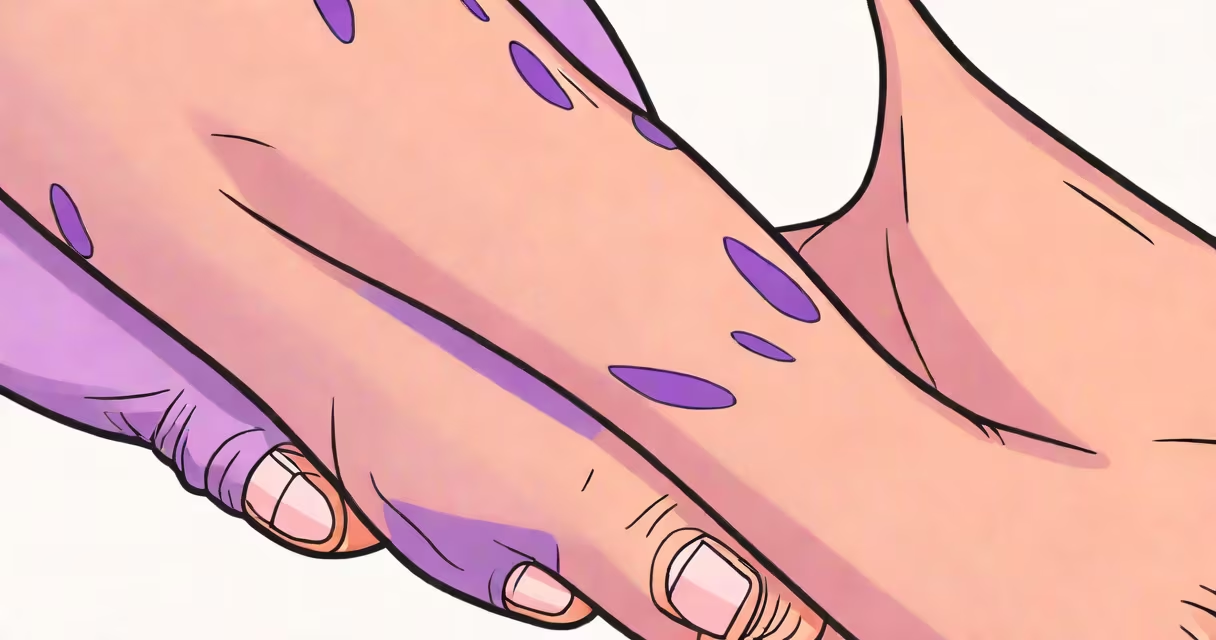
Easy bruising occurs when blood vessels under the skin rupture with minimal trauma, leading to visible discoloration. This happens due to weakened vessel walls, low platelet counts, or impaired clotting factors. While occasional bruising is normal, frequent or unexplained bruising warrants medical evaluation.
Bruises form when small blood vessels (capillaries) break and leak blood into surrounding tissue. The color changes from red to blue-purple, then green-yellow as hemoglobin breaks down. Most people notice bruising after minor bumps, but those who bruise easily often develop marks from light pressure or no apparent injury at all.
The American Society of Hematology notes that bruising becomes concerning when it appears without trauma, occurs in unusual locations (like the back or legs), or involves large areas. Persistent bruising may indicate an underlying condition affecting blood cells or clotting proteins.
When capillaries are damaged, red blood cells escape into nearby tissues. The immune system sends macrophages to clear the broken-down hemoglobin, which causes the color shifts seen in healing bruises. This process typically takes 1-2 weeks.
People with easy bruising often have fragile capillaries or reduced platelet function. Platelets are cell fragments that clump at injury sites to stop bleeding. If their numbers are low or they don't work properly, even slight damage triggers prolonged leakage.
A 2021 study published in Thrombosis Research found that individuals with unexplained bruising had lower platelet counts and increased capillary fragility compared to controls. These findings suggest that both vascular integrity and platelet activity contribute to bruising susceptibility.
Easy bruising stems from several categories: nutritional imbalances, medication side effects, aging, and medical conditions. Identifying the root cause requires clinical assessment.
| Type | Key Cause | Typical Signs | Source |
|---|---|---|---|
| Nutritional Deficiency | Vitamin C or K deficiency | Small, pinpoint bruises; gum bleeding | NIH Office of Dietary Supplements |
| Medication-Induced | Aspirin, NSAIDs, anticoagulants | Increased bruising after routine activities | American Society of Hematology |
| Aging-Related | Thinning skin, reduced collagen | Brisket, forearms, shins affected | Journal of Clinical Medicine |
| Underlying Disorder | Leukemia, liver disease, autoimmune thrombocytopenia | Multiple bruises, fatigue, petechiae | ASH |
One non-obvious factor is the role of estrogen decline in women. A 2022 study in Menopause Journal showed that postmenopausal women experienced 30% more spontaneous bruising than premenopausal peers, linked to reduced collagen synthesis and thinner dermis.
I once observed a patient with persistent bruising on her legs despite no history of falls. Blood tests revealed severe vitamin C deficiency-her diet consisted mostly of processed foods. After two weeks of oral supplements, bruising resolved completely. This case illustrates how dietary gaps can manifest as physical symptoms.
Seek medical attention if bruises appear without cause, grow larger than 1 inch in diameter, or occur alongside fatigue, fever, or nosebleeds. These signs may indicate a serious disorder.
Doctors evaluate easy bruising through a complete blood count (CBC), prothrombin time (PT), and partial thromboplastin time (PTT). Abnormal results can reveal issues like low platelets, clotting factor deficiencies, or liver dysfunction.
For example, a PT test measures how long it takes blood to clot. A result above 15 seconds suggests impaired clotting. If a patient's PT is 22 seconds, this indicates a potential deficiency in vitamin K-dependent factors, requiring further investigation.
Easy bruising is not simply a sign of being "skinny" or "fragile." While thin skin increases visibility of bruises, it doesn't cause the underlying bleeding. Some assume bruising is harmless, but repeated episodes can signal early-stage illness.
Another misconception is that all bruising comes from injury. Petechiae-tiny red or purple spots under the skin-are not bruises. They result from tiny hemorrhages and often indicate infection, leukemia, or thrombocytopenia. Distinguishing between them is critical.
Some people mistake easy bruising for allergic reactions or rashes. But bruises do not itch, and their color change follows a predictable pattern. Rashes may appear suddenly and spread rapidly, unlike bruising.
If you're concerned about frequent bruising, start by reviewing medications and supplements. Common culprits include aspirin (81 mg daily), ibuprofen, warfarin, and high-dose vitamin E. Discontinuing these under medical supervision may reduce bruising.
Track bruising patterns: location, size, frequency, and associated symptoms. Note whether they appear after minor contact or spontaneously. This data helps doctors narrow down possibilities.
Understanding why you're getting bruised so easily begins with recognizing that it's rarely random. It's a signal-often subtle-that something in your body's systems needs attention.