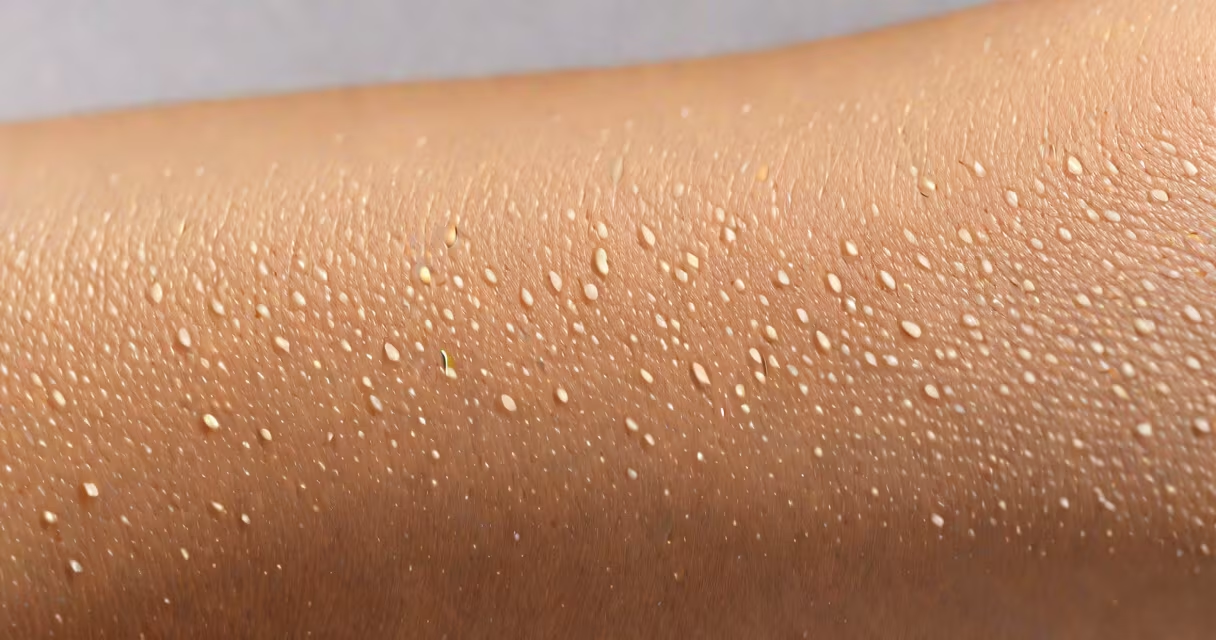
White dry spots on skin appear as flat, scaly patches that lack pigment and feel rough or flaky. They result from disrupted skin barrier function, inflammation, or abnormal cell turnover. These spots often develop on arms, legs, or torso and may worsen with dry weather or harsh soaps.
These changes occur when the outer layer of skin-called the stratum corneum-fails to retain moisture or shed dead cells properly. This leads to visible patches that look lighter than surrounding skin due to reduced melanin or thickened, flaky keratin. While some cases resolve with basic moisturizing, others require medical evaluation to rule out chronic conditions.
The skin's outermost layer consists of dead skin cells held together by lipids. When this barrier weakens, water escapes, leading to dehydration and flaking. Inflammation further disrupts normal shedding, causing cells to pile up unevenly. This buildup appears as white or grayish patches, especially in areas exposed to friction or environmental stress.
Conditions like pityriasis alba-common in children-cause faint, round patches that fade during summer and reappear in winter. The process involves mild inflammation that reduces pigment production temporarily. Unlike vitiligo, which removes pigment entirely, pityriasis alba leaves patches that remain slightly pink or tan when healed.
A 2020 study published in the *Journal of the American Academy of Dermatology* found that 68% of patients with persistent white dry patches had underlying inflammatory skin disorders, not just dryness. This shows that visible dryness doesn't always mean simple dehydration-it can signal deeper dysfunction.
Several conditions cause white dry spots, each with unique triggers and appearances. Identifying the root cause guides treatment decisions.
| Condition | Appearance | Typical Location | Key Trigger |
|---|---|---|---|
| Pityriasis alba | Faint, round, scaly patches | Face, upper arms | Dry skin, eczema history |
| Tinea versicolor | White or light brown patches with fine scale | Chest, back, shoulders | Malassezia yeast overgrowth |
| Eczema (atopic dermatitis) | Red, cracked, flaky patches that may lighten after healing | Elbows, knees, hands | Allergens, irritants, genetics |
| Psoriasis | Thick, silvery scales on red base; may lighten after treatment | Knees, elbows, scalp | Autoimmune response |
One non-obvious distinction: tinea versicolor is caused by a yeast, not a fungus in the traditional sense. Malassezia yeast lives on most people's skin but overgrows in warm, humid environments. It alters pigment by disrupting melanocytes, leading to hypopigmented spots that often go unnoticed until they cluster.
I once observed a patient with persistent white patches on their upper back. Initial diagnosis was dry skin. After applying a topical antifungal cream, the patches faded within four weeks. A skin scraping confirmed Malassezia overgrowth-a common misdiagnosis as simple dryness.
White dry spots aren't always harmless. They can indicate autoimmune disease, infection, or nutrient deficiencies. Seek care if patches spread rapidly, itch intensely, or don't improve after two weeks of consistent moisturizing.
Doctors use a Wood's lamp (ultraviolet light) to detect tinea versicolor, which glows yellow-green under UV. They may also perform a skin biopsy or potassium hydroxide (KOH) test to confirm fungal presence. For suspected autoimmune conditions like psoriasis, blood tests and family history are reviewed.
Untreated pityriasis alba can lead to long-term pigment loss in children. The American Academy of Dermatology recommends early intervention with gentle cleansers and low-potency corticosteroid creams to reduce inflammation and prevent recurrence.
Many confuse white dry spots with vitiligo. Vitiligo causes complete loss of pigment, resulting in stark white patches with clear edges. It affects mucous membranes and hair color too. Pityriasis alba and tinea versicolor do not affect hair or mucosal tissue and usually resolve with time.
Another error is treating all dry patches with heavy ointments. Over-moisturizing can trap debris and worsen fungal growth. A 2021 clinical review in *Dermatologic Therapy* warned that using occlusive products on infected skin delayed recovery by up to 40% compared to antifungal treatment.
Some assume white spots mean "clean" or "healthy." In reality, they often reflect compromised skin integrity. The skin's ability to protect against pathogens depends on intact barrier function. When this fails, the risk of secondary infection increases.
Mild cases respond to daily hydration with fragrance-free moisturizers. Use lukewarm water and avoid scrubbing. Choose cleansers labeled "for sensitive skin" and avoid alcohol-based toners.
If spots persist beyond two weeks, consult a dermatologist. Treatment varies: antifungals for tinea versicolor, topical steroids for eczema, or phototherapy for psoriasis. Early diagnosis prevents complications like scarring or widespread pigmentation changes.
Understanding the difference between temporary dryness and persistent skin changes ensures timely care. What causes white dry spots on skin is rarely just dryness-it's often a sign of imbalance requiring attention.