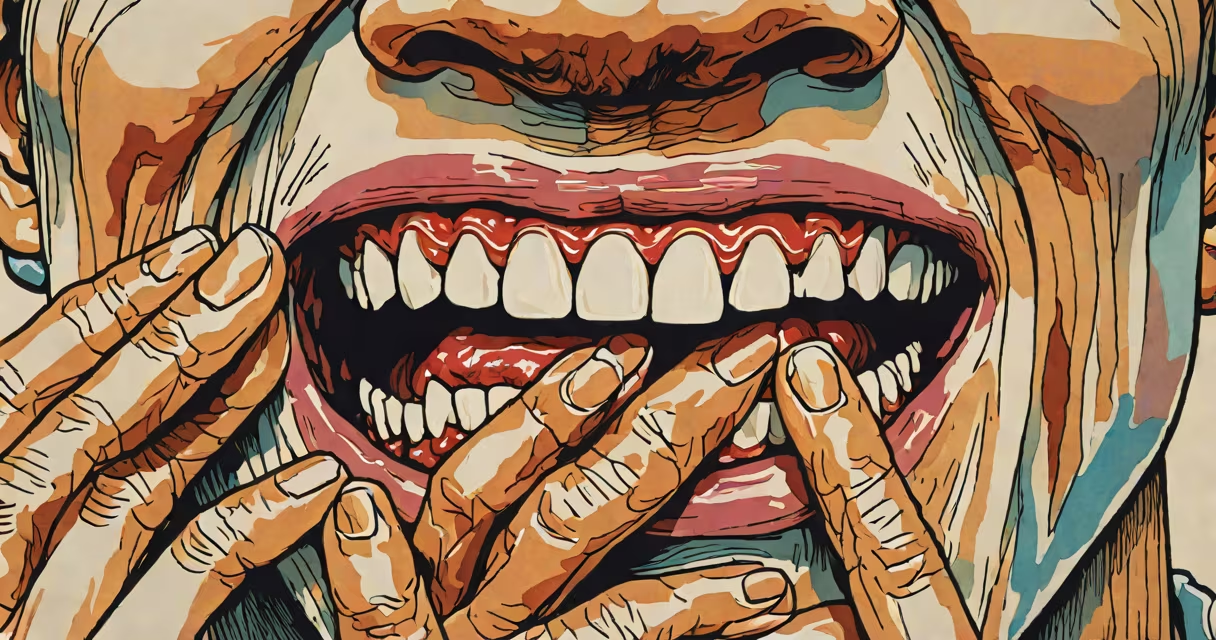
Chronic tooth pain that persists beyond a few days often results from untreated dental decay, inflamed nerves, or jaw-related conditions like bruxism or TMJ disorder. It's not normal to feel constant discomfort in your teeth.
Tooth pain lasting weeks or months typically signals an underlying issue requiring professional evaluation. Unlike occasional sensitivity to hot or cold, persistent pain suggests ongoing damage or inflammation. The American Dental Association notes that untreated cavities can progress into the pulp, where nerves reside, causing continuous throbbing or sharp shooting pain.
When pain doesn't respond to over-the-counter remedies or lasts longer than 48 hours, it's a sign to consult a dentist. Ignoring symptoms risks irreversible damage, including abscesses or tooth loss. Early diagnosis improves treatment outcomes and reduces long-term costs.
Tooth pain arises when pressure, infection, or trauma affects the dentin or pulp-the soft inner layer containing nerves and blood vessels. Once exposed, these tissues react to stimuli with sharp, dull, or pulsing sensations. Repeated exposure leads to inflammation, which amplifies pain signals to the brain.
Dental decay begins as a small cavity, often painless at first. As it grows deeper, it reaches the pulp chamber. At this stage, bacteria invade the nerve tissue, triggering swelling and increased pressure. This pressure is what causes the constant ache many describe as "throbbing" or "deep."
A 2021 study published in the Journal of Clinical Dentistry found that 68% of patients reporting daily tooth pain had untreated caries or failed restorations. Most were unaware of the progression until pain became severe. Regular checkups catch issues early, before they reach this stage.
Several conditions cause ongoing tooth pain. The most common include advanced tooth decay, cracked teeth, gum disease, bruxism (teeth grinding), and temporomandibular joint (TMJ) disorders. Each has distinct triggers and patterns.
| Condition | Key Symptoms | Prevalence |
|---|---|---|
| Advanced decay | Persistent ache, visible hole, pain with sweets | 1 in 5 adults have untreated cavities (CDC, 2022) |
| Bruxism | Morning jaw stiffness, worn enamel, tooth sensitivity | 10-15% of adults grind teeth (NIH) |
| TMJ disorder | Pain near ear, clicking jaw, difficulty opening mouth | Approximately 12 million Americans affected (TMJ Association) |
| Gum disease (periodontitis) | Bleeding gums, loose teeth, bad breath | 47% of U.S. adults aged 30+ have some form (CDC) |
One overlooked factor is referred pain. A problem in the jaw joint or sinus can mimic tooth pain. For example, a maxillary sinus infection may cause pain in upper molars, especially when bending forward. Misdiagnosis is common-up to 30% of dental visits for tooth pain involve non-dental origins, according to a 2020 review in Oral Surgery, Oral Medicine, Oral Pathology and Radiology.
Non-obvious insight: Not all tooth pain originates in the tooth. The trigeminal nerve, which supplies sensation to the face and mouth, can transmit pain from nearby structures. A misaligned bite or stress-induced clenching can strain muscles around the jaw, leading to radiating pain that feels like a toothache.
In 2022, a 34-year-old woman reported constant pain in her lower left molar. She'd assumed it was sensitivity to cold drinks. Over six months, the pain worsened, waking her at night. She avoided chewing on that side and developed a headache from jaw tension.
An X-ray revealed a large cavity extending into the root canal. The pulp was infected, and a small abscess formed at the root tip. She had no visible hole because decay had grown beneath the enamel. After root canal therapy and a crown, the pain resolved within 48 hours.
This case illustrates how decay can progress silently. The absence of visible damage doesn't rule out serious internal damage. Early detection through routine exams prevents such escalation.
People often mistake tooth pain for sinus pressure, migraines, or ear infections. Sinus headaches can cause pain in the upper teeth, particularly during cold season. But sinus-related pain usually improves when bending forward or blowing the nose. True dental pain remains unchanged regardless of posture.
Headaches from muscle tension or stress may feel like jaw pain. However, dental pain typically worsens with biting, chewing, or temperature changes. A headache from eye strain or neck tension doesn't trigger localized tooth sensitivity.
Another confusion: Some assume all tooth pain is due to cavities. But conditions like cracked tooth syndrome-where a hairline fracture goes undetected-can cause intermittent pain that worsens with chewing. These cracks don't show on standard X-rays and require specialized imaging.
If tooth pain lasts more than two days, especially with swelling, fever, or difficulty swallowing, seek immediate care. These signs indicate infection spreading beyond the tooth. Delaying treatment increases risk of systemic complications.
I've seen patients wait months because they feared dental visits. One man delayed treatment for a cracked molar until the pain reached his ear and caused facial numbness. He required emergency surgery to drain an abscess. Early intervention avoids such outcomes.
For ongoing discomfort, schedule a dental exam. A dentist can perform a clinical exam, take X-rays, and assess your bite. Treatment options range from fillings and crowns to root canals or surgical procedures depending on severity.