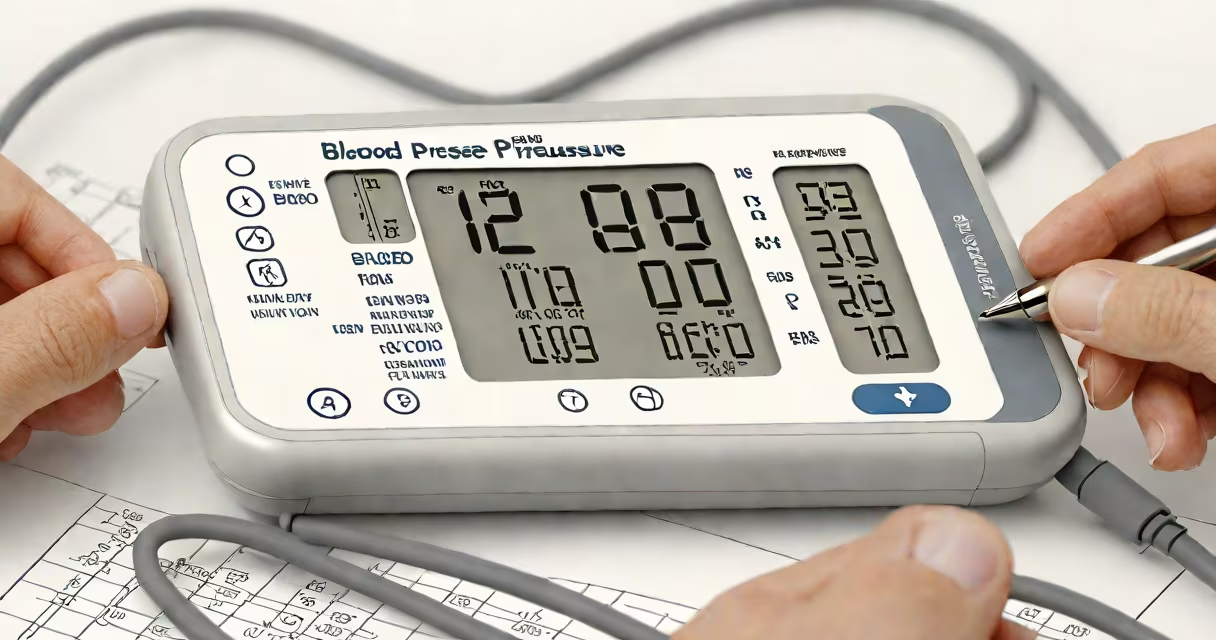
Blood pressure numbers represent the force of blood against artery walls during heartbeats (systolic) and between beats (diastolic). These two values, written as a ratio like 120/80 mmHg, indicate how hard the heart works to circulate blood and how resistant arteries are to flow.
The first number, systolic pressure, measures peak pressure when the heart contracts. The second, diastolic pressure, reflects minimum pressure when the heart rests between beats. Together, they provide a snapshot of cardiovascular strain and risk for stroke, heart attack, and kidney disease.
According to the American Heart Association, normal blood pressure is below 120/80 mmHg. Readings consistently above 130/80 mmHg qualify as hypertension, a major risk factor for heart disease and premature death. Elevated levels often show no symptoms, making regular monitoring essential.
Healthcare providers measure blood pressure using a sphygmomanometer-a cuff placed around the upper arm connected to a gauge. The cuff inflates to temporarily stop blood flow, then slowly deflates while a stethoscope detects Korotkoff sounds. The first sound heard corresponds to systolic pressure; the last sound heard marks diastolic pressure.
Digital monitors automate this process using oscillometric technology. They detect changes in arterial pulsations through sensors in the cuff. These devices are widely used at home and in clinics, though accuracy depends on proper placement and calibration.
A single reading isn't enough. The American Heart Association recommends multiple readings over time, ideally taken at rest, seated, and with feet flat on the floor. A single high reading may result from anxiety, caffeine, or improper technique. Consistent elevation is required for diagnosis.
Systolic pressure (top number) reflects the workload on the heart and arterial system during contraction. A value above 130 mmHg indicates increased strain on the heart muscle and blood vessels. Over time, this strain damages artery linings, promotes plaque buildup, and increases risk of rupture.
Diastolic pressure (bottom number) shows resistance in the arteries when the heart is relaxed. A reading above 80 mmHg suggests stiff or narrowed arteries. This stiffness forces the heart to pump harder during each beat, increasing long-term wear and tear.
For example, a reading of 140/90 mmHg means the heart pushes blood with 140 mmHg of force during contraction and maintains 90 mmHg of pressure between beats. This level meets clinical criteria for stage 1 hypertension and warrants lifestyle changes or medication under medical guidance.
| Blood Pressure Category | Systolic (mmHg) | Diastolic (mmHg) |
|---|---|---|
| Normal | <120 | <80 |
| Elevated | 120-129 | <80 |
| Stage 1 Hypertension | 130-139 | 80-89 |
| Stage 2 Hypertension | ≥140 | ≥90 |
One common misunderstanding is that only the top number matters. In reality, both numbers contribute independently to risk assessment. A person with 140/80 mmHg has higher systolic pressure but normal diastolic pressure. Another with 130/90 mmHg has elevated systolic and high diastolic. Both meet hypertension thresholds, but their profiles differ.
Research from the National Institutes of Health shows that isolated systolic hypertension (e.g., 160/80 mmHg) is especially prevalent in adults over 60. As arteries stiffen with age, systolic pressure rises while diastolic pressure may remain stable or drop. This pattern increases stroke risk more than combined elevations.
Many people assume that blood pressure fluctuates wildly throughout the day. While readings vary slightly due to activity, posture, or stress, consistent daily patterns exist. Blood pressure typically dips at night and rises upon waking-this is normal. However, failure to dip at night (non-dipping pattern) correlates with higher cardiovascular risk.
Another misconception is that low blood pressure always means good health. Not true. Hypotension (typically below 90/60 mmHg) can cause dizziness, fainting, and organ underperfusion. Some individuals with low readings feel fine, but others experience fatigue or confusion. The context matters-age, symptoms, and baseline health determine whether low readings are concerning.
A non-obvious fact: blood pressure can be higher in the left arm than the right. A difference of 10 mmHg or more between arms signals potential vascular issues, such as subclavian artery stenosis. The American Heart Association notes that this asymmetry should prompt further evaluation, even if both readings fall within normal ranges.
Consider a 54-year-old woman with a history of obesity and sedentary lifestyle. Her initial clinic visit showed a reading of 148/92 mmHg. She reported no symptoms-no headaches, chest pain, or fatigue. The provider repeated the measurement after five minutes of quiet sitting. The second reading was 146/90 mmHg.
Based on guidelines from the American College of Cardiology, this qualifies as stage 2 hypertension. The provider recommended dietary changes, daily walking, and follow-up in four weeks. After six weeks of consistent exercise and reduced sodium intake, her blood pressure dropped to 128/82 mmHg. This improvement demonstrates that lifestyle intervention can reverse early-stage hypertension.
Her case illustrates why tracking numbers over time matters. A single high reading doesn't confirm hypertension. But consistent elevations do. Monitoring allows early action before complications arise.
High blood pressure often causes no warning signs. The only way to know your status is through regular checks. The American Heart Association recommends screening at least once every two years for adults aged 20 and older. More frequent testing is advised for those with risk factors like family history, diabetes, or chronic kidney disease.
If you have a reading of 180/120 mmHg or higher, seek immediate medical attention. This level constitutes a hypertensive crisis, which can lead to stroke, heart failure, or retinal damage. Do not wait for symptoms-this is a medical emergency.
Blood pressure numbers aren't just numbers-they're indicators of internal stress on the circulatory system. Understanding what they represent allows timely action to prevent long-term damage. Regular monitoring, accurate interpretation, and consistent follow-up are key to maintaining cardiovascular health.