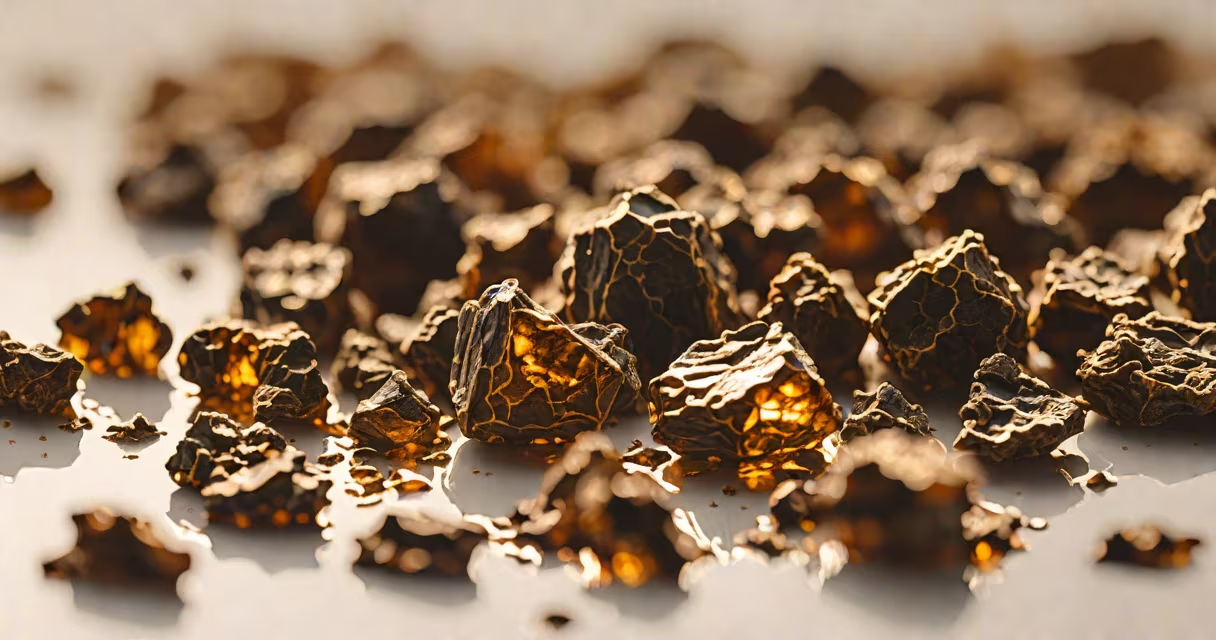
Myrrh symbolizes sacrifice, suffering, and divine presence in religious traditions, particularly in Christianity and ancient Near Eastern cultures. It was used in burial rites, temple rituals, and as a gift to the infant Jesus, representing both mortality and sacred anointing.
Myrrh is a fragrant resin derived from the sap of *Commiphora* trees native to the Horn of Africa and the Arabian Peninsula. Its scent is warm, earthy, and slightly bitter-distinct from sweet resins like frankincense. This olfactory profile contributes to its symbolic weight: not joyous or celebratory, but solemn and introspective.
In the Hebrew Bible, myrrh appears in the recipe for holy anointing oil described in Exodus 30:23-25. The mixture included myrrh, cinnamon, calamus, and cassia-all substances deemed sacred and reserved for priests and sacred objects. The text specifies that this blend was "not to be made for personal use," emphasizing its exclusive ritual function. The use of myrrh in this context signals sanctity, separation, and divine appointment.
The most well-known reference to myrrh in Christian scripture occurs in Matthew 2:11, where the Magi present gifts to the newborn Jesus: gold, frankincense, and myrrh. Each gift carries symbolic meaning. Gold represents kingship. Frankincense signifies divinity. Myrrh points to death and burial.
John 19:39 records that Nicodemus brought a mixture of myrrh and aloes-about 100 Roman pounds-to prepare Jesus' body for burial. This quantity underscores the significance of the gesture. The weight of the resin, nearly 45 kilograms, indicates profound reverence and preparation for death. Myrrh's use here is not incidental-it marks the transition from life to resurrection, linking the gift to the ultimate act of sacrifice.
Ancient Jewish burial practices often involved anointing bodies with oils and resins. Myrrh's antiseptic properties helped preserve flesh. However, its symbolic value extended beyond practicality. The act of anointing with myrrh signaled mourning, honor, and the acknowledgment of mortality. In this sense, myrrh became a marker of both grief and devotion.
Myrrh comes primarily from four species: *Commiphora myrrha*, *C. erythraea*, *C. africana*, and *C. opobalsamum*. The last, known as "balm of Gilead," was especially prized in antiquity. Ancient trade networks connected the Red Sea ports of Egypt and Arabia with Mesopotamia and Israel. Myrrh was transported by camel caravans across deserts, making it a luxury item.
| Type | Source Region | Historical Use | Symbolic Weight |
|---|---|---|---|
| Common myrrh (*C. myrrha*) | Somalia, Yemen | Temple incense, embalming | Divine presence, purification |
| Balm of Gilead (*C. opobalsamum*) | Israel, Jordan | Healing ointments, sacred anointing | Redemption, healing, restoration |
| Wild myrrh (*C. africana*) | East Africa | Local medicine, ritual offerings | Mortality, ancestral connection |
Modern analysis confirms that *C. opobalsamum* produces a resin with higher aromatic complexity and medicinal compounds than other varieties. Its scarcity likely contributed to its association with healing and sacredness. The Bible references the balm of Gilead in Jeremiah 8:22: "Is there no balm in Gilead?"-a rhetorical question expressing longing for restoration.
Many assume myrrh was used only for embalming. While it played a role in preservation, its primary function in religious contexts was symbolic. The act of anointing was not about delaying decay-it was about consecrating the individual or object as set apart for God.
Another error is equating myrrh with frankincense. Though both were used in temple worship and appear together in the Magi's gifts, they differ in origin, scent, and symbolism. Frankincense is sweet, uplifting, and associated with prayer and ascension. Myrrh is dry, heavy, and linked to descent, suffering, and death. Their pairing in the Gospel of Matthew reflects a complete spiritual process: from divine encounter (frankincense) to sacrificial surrender (myrrh).
Some New Age sources claim myrrh "opens the third eye" or "enhances psychic vision." These interpretations lack historical basis. Ancient texts do not associate myrrh with altered states of consciousness. Its use was strictly ritualistic and theological-not mystical or metaphysical.
I once visited a monastery in Ethiopia where monks still harvest wild myrrh from *C. myrrha* trees. They collect the resin during late summer, when the sap flows freely. The process takes days. After collection, they boil the resin in water to extract essential oils. The resulting paste is used in liturgical incense, not for personal meditation or spiritual enhancement.
This practice confirmed what scholars have long noted: myrrh's power lies not in altering perception but in marking time, space, and identity as sacred. Its use in monastic settings continues to emphasize humility, endurance, and service-values central to Christian monasticism.
What does myrrh symbolize? It represents sacrifice, divine presence, and the sacred acceptance of mortality. From the anointing oil of Exodus to the burial spices of Christ, myrrh functions as a material signifier of deeper spiritual truths. Its enduring presence in religious art, liturgy, and scripture reflects a consistent symbolic thread: that the most profound acts of devotion often involve loss, offering, and reverence for what is temporary.