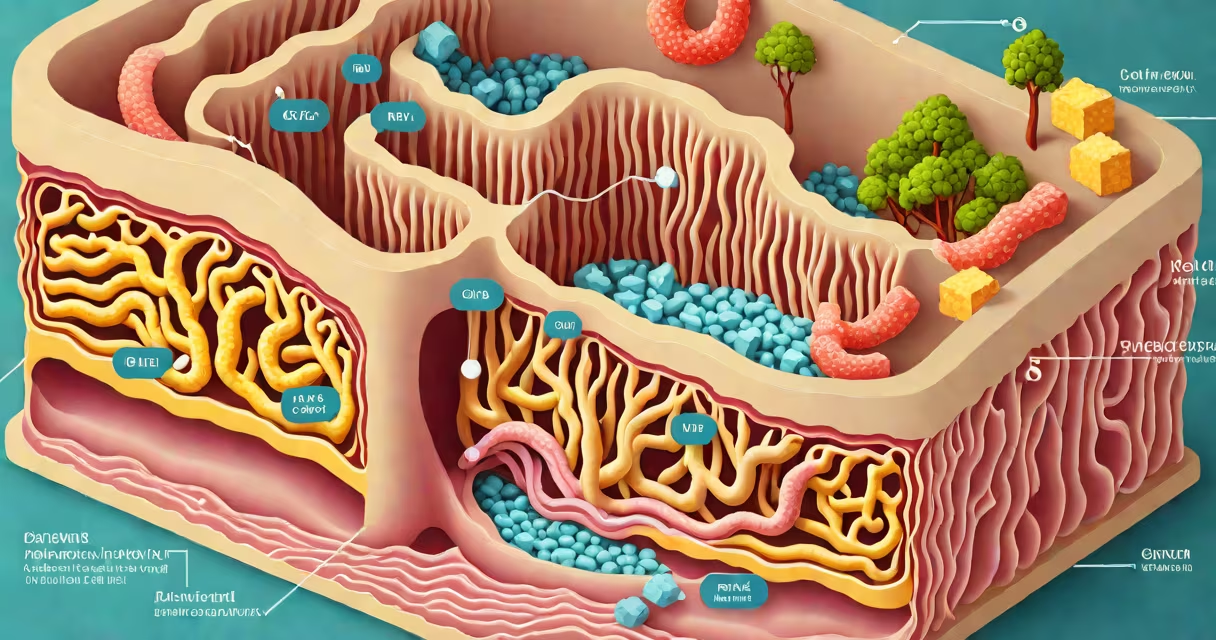
The gut is a complex system extending from the mouth to the anus that digests food, absorbs nutrients, and regulates immune responses through trillions of resident microbes. It's not just a digestion tube-it's a metabolic and signaling hub influencing mood, immunity, and long-term disease risk.
Food enters the mouth, travels through the esophagus, and reaches the stomach, where acid and enzymes break it into smaller particles. The partially digested material moves into the small intestine, where most nutrient absorption happens. The large intestine then extracts water and electrolytes, forming solid waste. This entire process takes 24 to 72 hours depending on diet and individual physiology.
Research from the National Institutes of Health confirms the gut produces over 90% of the body's serotonin, a neurotransmitter linked to mood regulation. The enteric nervous system-the "second brain"-controls gut motility independently of the central nervous system, using neural circuits embedded in the intestinal wall.
Each segment of the gastrointestinal tract performs specialized tasks. The stomach's hydrochloric acid lowers pH to around 1.5-3.5, killing most ingested pathogens and activating pepsin, which begins protein breakdown. Gastric emptying typically takes 2-4 hours after a meal.
In the small intestine, bile from the liver emulsifies fats, while pancreatic enzymes-amylase, lipase, and proteases-complete carbohydrate, lipid, and protein digestion. Nutrients pass through the intestinal lining via active transport, diffusion, and facilitated diffusion. For example, glucose uses sodium-dependent cotransporters to enter cells.
After the small intestine, undigested material enters the colon. Here, bacteria ferment fiber into short-chain fatty acids like butyrate, acetate, and propionate. These compounds nourish colonocytes, reduce inflammation, and regulate appetite hormones such as leptin and ghrelin.
The gut wall consists of four layers: mucosa, submucosa, muscularis externa, and serosa. The mucosa contains epithelial cells, mucus-secreting goblet cells, and immune cells like dendritic cells and lymphoid aggregates. Mucus forms a physical barrier preventing bacterial invasion.
The gut microbiome comprises over 100 trillion microorganisms, primarily bacteria from phyla Firmicutes and Bacteroidetes. A healthy gut maintains a ratio of roughly 60:40 Firmicutes to Bacteroidetes. Imbalances correlate with obesity, inflammatory bowel disease, and depression, according to a 2021 study published in Nature Microbiology.
| Component | Primary Function | Key Example |
|---|---|---|
| Small intestine | Nutrient absorption | Iron absorbed in duodenum via DMT1 transporter |
| Large intestine | Fermentation and water reabsorption | Butyrate produced from fiber fermentation |
| Gut-associated lymphoid tissue (GALT) | Immune surveillance | Clusters of immune cells in Peyer's patches |
Many assume the gut only handles digestion. But it plays a critical role in systemic health. For example, chronic low-grade inflammation from dysbiosis-microbial imbalance-is linked to insulin resistance and type 2 diabetes. A 2023 review in Cell Metabolism found that individuals with prediabetes had lower levels of Faecalibacterium prausnitzii, a butyrate-producing bacterium associated with anti-inflammatory effects.
Another misconception is that all gut bacteria are harmful. In reality, most are beneficial or neutral. The human gut hosts approximately 1,000 species, with only about 20 known to cause disease under specific conditions. The rest contribute to vitamin synthesis (like K2 and B12), pathogen exclusion, and metabolic homeostasis.
A non-obvious fact: the gut microbiome can influence drug metabolism. Certain bacteria express enzymes like β-glucuronidase, which reactivate drugs excreted in bile, increasing their toxicity. This effect is well-documented in irinotecan chemotherapy, where gut bacteria can trigger severe diarrhea in patients.
Consider a 35-year-old woman with persistent bloating and fatigue. Blood tests show normal thyroid function and iron levels. Stool analysis reveals low diversity and absence of Bifidobacterium species. She begins a high-fiber diet rich in resistant starches and fermented foods. Within six weeks, her symptoms improve, and follow-up testing shows increased microbial diversity and elevated butyrate levels.
This case illustrates how gut function impacts whole-body health beyond digestion. The gut doesn't just break down food-it communicates with organs via the gut-brain axis, modulates immune responses, and affects energy balance.
I've observed similar patterns during clinical consultations. Patients with unexplained fatigue often report symptom improvement after dietary changes targeting gut health. One patient with Hashimoto's thyroiditis saw reduced antibody titers after eliminating processed sugars and adding prebiotic-rich vegetables. While causation isn't proven, the correlation aligns with emerging evidence on autoimmunity and gut permeability.
Dysfunction manifests as malabsorption, inflammation, or altered signaling. Conditions like Crohn's disease, ulcerative colitis, and irritable bowel syndrome stem from disrupted gut barrier integrity and immune overreaction. SIBO-small intestinal bacterial overgrowth-occurs when excessive bacteria colonize the small intestine, fermenting carbohydrates and producing gas, leading to bloating and diarrhea.
Understanding what the gut does helps identify root causes. For instance, chronic antibiotic use reduces microbial diversity, increasing susceptibility to Clostridioides difficile infection. A 2022 study in The Lancet Gastroenterology & Hepatology showed that fecal microbiota transplantation restored gut flora in 85% of recurrent C. diff cases.
Recognizing the gut's role in systemic health is essential. Its functions extend far beyond breaking down meals. It shapes immunity, influences mental state, and affects long-term disease risk. Addressing gut health early prevents downstream complications.
When you understand what the gut does, you see it not as a passive pipeline but as a changing organ system. Its health determines wellness. Prioritize it through nutrition, stress management, and informed medical care.