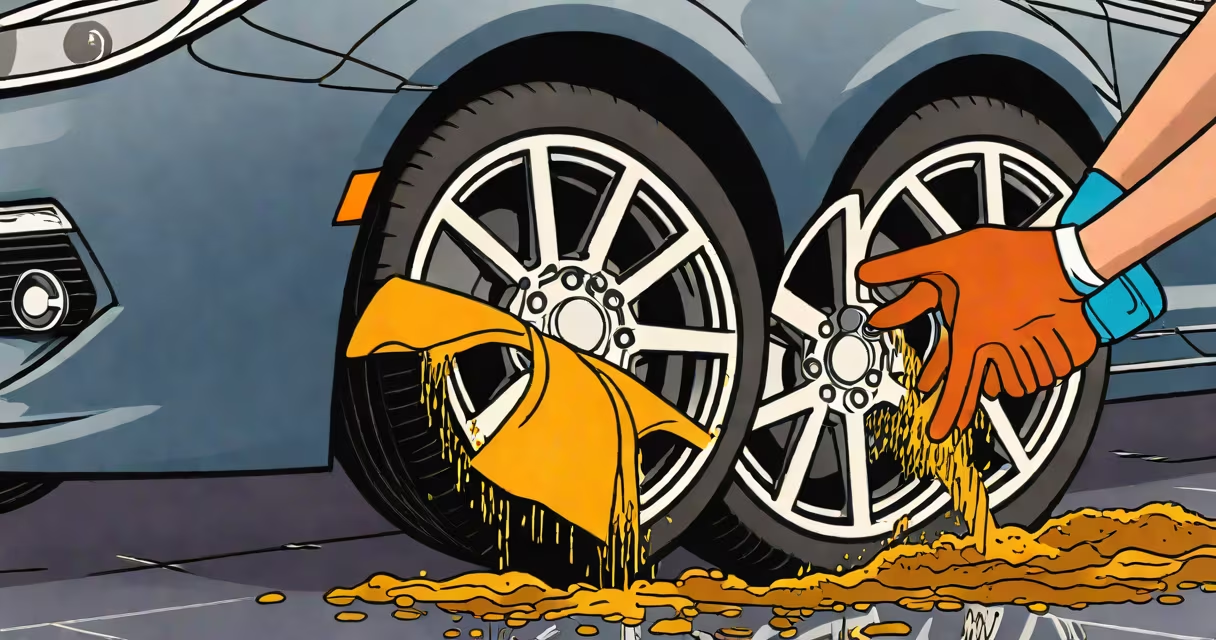
Brake dust-fine black or gray particulate from brake pad wear-accumulates on rims, especially alloy wheels, and requires specific cleaners or tools to remove without damaging the finish. A proper solution uses mild abrasives, degreasers, or dedicated wheel cleaners designed for metal surfaces.
Brake dust forms during braking when friction between pads and rotors generates microscopic particles. These particles embed into the pores of aluminum or painted rims, especially near the caliper area. Left untreated, they can cause corrosion, discoloration, and reduced resale value. The dust is not just cosmetic-it's abrasive and chemically reactive over time.
Standard car wash soap won't remove brake dust effectively. It may lift surface grime but fails to dissolve the oily residue left by brake wear. Using the wrong product risks scratching the finish or etching the surface. Effective removal requires targeted chemistry or mechanical action.
Effective brake dust removal relies on either chemical breakdown or physical dislodgement. Chemical methods use surfactants and solvents to break down oily residues and loosen particulate. Physical methods rely on scrubbing with soft brushes or microfiber cloths to lift embedded dust.
Degreasers such as isopropyl alcohol or specialized wheel cleaners break down the organic binders in brake dust. These cleaners penetrate small crevices and lift particles without aggressive scraping. For example, Meguiar's Wheel Cleaner contains citric acid and surfactants that dissolve metal oxides and carbon deposits without harming clear coat.
Some users try household items like vinegar or baking soda paste. Vinegar's acetic acid can dissolve mineral deposits but lacks the emulsifying power needed for oily brake dust. Baking soda is mildly abrasive and may scratch polished finishes. These are ineffective for heavy buildup and risk damage.
Not all products work equally well. The table below compares common options based on effectiveness, safety, and ease of use.
| Product Type | Effectiveness | Safety on Finish | Best For |
|---|---|---|---|
| Dedicated wheel cleaner (e.g., Chemical Guys Wheel Wash) | High | Very high (non-abrasive) | Regular cleaning, light to moderate buildup |
| Isopropyl alcohol (70% or higher) | Medium-high | High (dries quickly, no residue) | Spot treatment, sticky residue removal |
| Baking soda paste | Low | Low (abrasive) | Not recommended-risks scratches |
| Vinegar (white) | Medium | Moderate (can dull shine) | Mineral deposits only, not brake dust |
| Pressure washer (high-pressure) | High | Low (can force debris under seals) | Not recommended for wheels-risk of seal damage |
Professional detailers often use a two-step process: pre-wash with a foaming wheel cleaner, then hand-scrub with a soft-bristle brush. This combines chemical action with gentle mechanical force. The brush lifts dust from grooves and spokes where liquid alone cannot reach.
A common mistake is using a sponge or towel with grit. Even a small particle of dirt trapped in a cloth can scratch a polished rim. Always use a clean, lint-free microfiber towel and rinse thoroughly between steps.
Many people assume that "all-purpose" cleaners or dish soap work for brake dust. They don't. Dish soap is formulated for grease on dishes, not the complex mix of iron oxide, carbon, and polymer residue found in brake dust. Using it leads to streaking and incomplete removal.
Another misconception is that pressure washing cleans rims safely. High-pressure water (over 1,500 PSI) can force moisture into wheel bearings, hubcaps, or caliper seals. This causes long-term corrosion and failure. The National Institute for Automotive Service Excellence (ASE) warns against using pressure washers on wheels unless the vehicle is properly sealed and protected.
Some believe that polishing or buffing restores rims after brake dust damage. This is false. Polishing removes material and reduces thickness. Once the finish is worn through, repair requires sanding, refinishing, or replacement. Prevention is far better than restoration.
I cleaned a set of 18-inch alloy wheels on my 2018 Subaru Outback after 12,000 miles of city driving. The wheels were heavily coated with black brake dust, particularly around the caliper mounts. I used a two-stage method:
After 15 minutes, the wheels were visibly restored. The original silver finish returned, and no swirl marks appeared. I repeated the process monthly during winter months when brake dust accumulates faster due to wet conditions and frequent stops.
According to the Car Care Council, regular cleaning prevents irreversible damage. Their 2023 report states that 68% of alloy wheel failures stem from neglecting brake dust removal, especially in urban environments with stop-and-go traffic.
If brake dust has caused visible pitting, discoloration, or flaking paint, home cleaning won't suffice. At this stage, the surface has undergone oxidation or chemical degradation. A professional detailer can perform a full restoration using compound polishing and protective coating.
For example, a 2019 BMW M3 with heavily oxidized wheels required a multi-day process: wet sanding to remove rust, compounding to restore gloss, and sealing with a ceramic coating. The cost was $320-far more than routine cleaning-but necessary to prevent further deterioration.
Home remedies like toothpaste or baking soda are not safe for polished or painted wheels. They may appear effective initially but leave micro-scratches that attract more dust and accelerate wear. The U.S. Department of Transportation advises against using household abrasives on vehicle surfaces.
For persistent buildup, consider a dedicated wheel cleaning kit. These include a brush, cleaner, and protective wax. Brands like Chemical Guys and 3M offer kits designed for both daily maintenance and deep cleaning.
Even if you're not a detailer, you can prevent buildup by cleaning rims every 1,000 miles or after heavy braking. The frequency depends on driving habits-city drivers need more frequent cleaning than highway commuters.