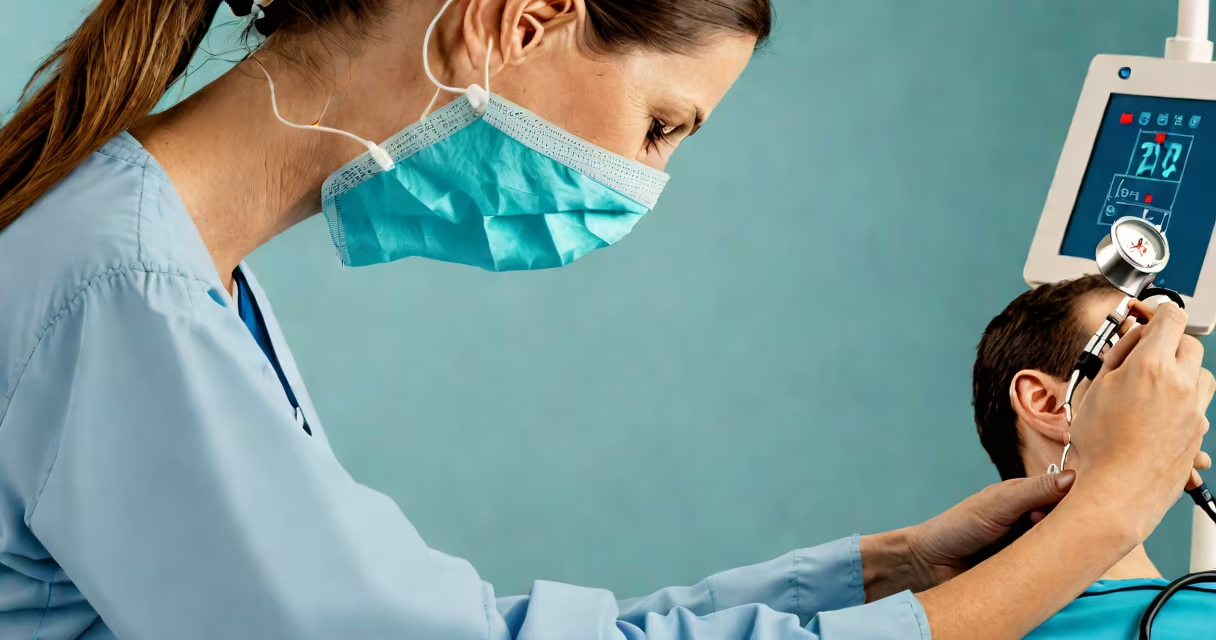
A PN nursing professional, also known as a Licensed Practical Nurse (LPN) or Licensed Vocational Nurse (LVN) in some states, delivers fundamental patient care under the direction of registered nurses (RNs) or physicians. These healthcare providers work in hospitals, long-term care facilities, clinics, and home health settings, focusing on daily wellness tasks such as monitoring vitals, administering medications, and assisting with personal hygiene.
PN nursing programs typically last 11 to 12 months and include classroom instruction and supervised clinical practice. Graduates must pass the National Council Licensure Examination for Practical Nurses (NCLEX-PN) to obtain state licensure. According to the U.S. Bureau of Labor Statistics (BLS), employment for LPNs is projected to grow 6% from 2022 to 2032, faster than average for all occupations, driven by aging populations and increased demand for outpatient services.
PN nurses operate within a structured care team. They report to RNs or physicians who assign tasks based on patient needs. A typical day includes measuring temperature, blood pressure, and oxygen levels; changing dressings; drawing blood samples; and documenting observations. They may also assist patients with eating, bathing, and mobility.
For example, in a skilled nursing facility, an LPN might check a resident's blood sugar every four hours, administer insulin injections, and report changes in behavior or appetite to the supervising RN. This level of oversight ensures patient safety while allowing PN nurses to contribute meaningfully to care continuity.
PN nurses do not perform complex assessments or develop care plans. Their role is task-oriented and focused on stability maintenance rather than diagnosis or treatment planning. They are not permitted to start IV lines or manage ventilators unless specifically trained and authorized under state law.
PN nursing education occurs in vocational schools, community colleges, or technical institutes. Programs cover anatomy, physiology, pharmacology, and basic nursing skills. Students complete around 1,200 hours of training, including lab sessions and clinical rotations in real healthcare environments.
After completing the program, candidates must pass the NCLEX-PN exam. The test consists of 85 to 145 multiple-choice questions assessing safe and effective patient care. The National Council of State Boards of Nursing (NCSBN) reports that the first-time pass rate for U.S.-educated LPN candidates was 83% in 2022.
| Component | Details |
|---|---|
| Program Length | 11-12 months (full-time) |
| Clinical Hours Required | Approximately 1,200 hours |
| Exam Name | NCLEX-PN |
| Pass Rate (First-Time, U.S. Candidates) | 83% (2022) |
State boards issue licenses. Renewal requires continuing education credits and periodic re-examination. Some states require background checks and drug screening prior to licensure.
Many assume PN nursing is equivalent to being a nurse aide or certified nursing assistant (CNA). This is incorrect. While CNAs provide basic care like bed baths and feeding, they are not licensed professionals. PN nurses have formal education, clinical training, and legal authority to perform specific medical tasks, such as giving injections and managing wound care.
Another misconception is that PN nurses cannot advance. In reality, many LPNs pursue further education to become RNs through bridge programs. According to the American Association of Colleges of Nursing (AACN), over 40% of LPNs enroll in associate degree in nursing (ADN) programs within five years of licensure.
There is also confusion about scope of practice. For example, in California, LVNs can administer certain oral medications independently but must have a physician's order to give intramuscular injections. In contrast, Texas requires direct RN supervision for all medication administration. These differences show the importance of checking state-specific regulations.
Consider Maria, a licensed practical nurse working in a rural clinic in Nebraska. She arrives at 7:00 a.m., reviews her assigned patient list, and begins morning rounds. Her first patient is a 78-year-old woman recovering from pneumonia. Maria checks her important signs-temperature 98.6°F, blood pressure 120/80 mmHg, heart rate 76 bpm-and records the results in the electronic health record (EHR).
She administers a scheduled dose of amoxicillin via oral route, confirms the patient took it, and documents the event. Later, she assists a diabetic patient with insulin injection, following the nurse practitioner's written protocol. After lunch, she helps transfer a post-op patient from bed to wheelchair using proper body mechanics and safety procedures.
At 4:00 p.m., she submits her shift report to the RN on duty, highlighting changes in patient condition. Her documentation includes time-stamped entries for each intervention. This workflow reflects the core responsibilities of PN nursing: accurate task execution, consistent monitoring, and clear communication.
PN nurses fill critical gaps in patient care delivery. They allow RNs to focus on complex assessments and interventions while ensuring routine needs are met efficiently. In long-term care facilities, their presence reduces staff turnover and improves resident satisfaction scores.
During the 2020-2021 pandemic, LPNs were deployed to nursing homes to support overwhelmed teams. A study published in the Journal of Nursing Administration found that facilities with higher ratios of LPNs to RNs reported lower rates of patient falls and improved medication adherence.
One non-obvious fact: PN nurses often serve as frontline communicators between patients and the care team. Their close contact with residents allows them to detect subtle changes-such as decreased appetite or altered mental status-before they escalate. Early detection leads to faster interventions and better outcomes.
When considering career paths, remember that PN nursing is not a dead-end job. Many LPNs transition into RN roles through accelerated programs. The flexibility of the role supports both immediate entry into healthcare and long-term advancement.
If you're exploring a path in healthcare, ethical decision-making in nursing is foundational. Understanding patient rights, informed consent, and confidentiality prepares you for the responsibilities that come with clinical practice, advancing toward advanced roles.