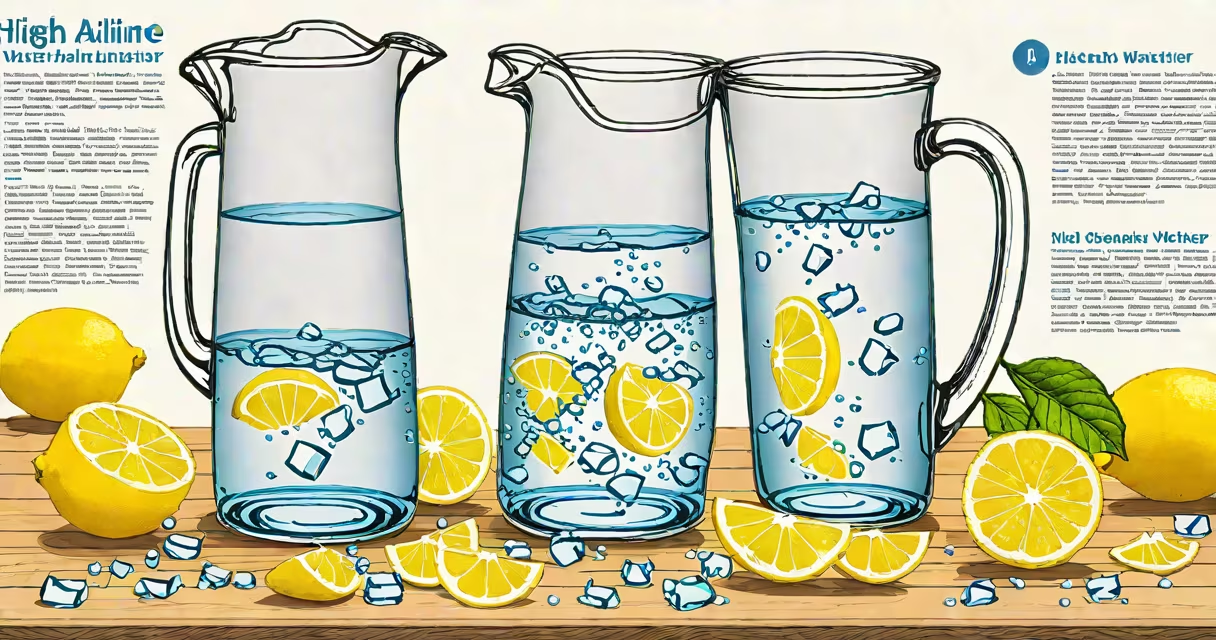
High alkaline water has a pH level typically between 8.0 and 10.0, higher than regular tap water, which averages around 7.0. It is produced through electrolysis or mineral infusion to increase alkalinity and may contain dissolved hydrogen gas. This form of water is promoted for its potential to neutralize acid in the bloodstream and support cellular health.
Alkalinity refers to a solution's ability to resist changes in pH when acids are added. High alkaline water contains elevated levels of minerals such as calcium, magnesium, and potassium-elements naturally found in spring water-that contribute to its alkalizing effect. These minerals are essential for maintaining proper bodily pH balance and supporting enzymatic functions.
The term "high alkaline" specifically denotes water with a pH above 8.5. While some brands market water at pH 9.5 or 10.0, research from the National Institutes of Health notes that the human body tightly regulates blood pH within a narrow range of 7.35 to 7.45, regardless of diet or water intake. Therefore, consuming high alkaline water does not alter systemic pH, though it may influence the pH of the stomach temporarily.
High alkaline water is created using ionization, a process that separates water into acidic and alkaline components via an electric current. In a home water ionizer, incoming tap water passes through chambers containing electrodes. The negatively charged electrode attracts positively charged ions, increasing the concentration of hydroxide ions (OH⁻), which raises the pH. This process also reduces the size of water clusters, theoretically improving absorption.
Alternative methods include adding alkaline minerals such as sodium bicarbonate, calcium carbonate, or magnesium oxide during bottling. Some brands use natural spring water enriched with minerals from volcanic rock formations. For example, certain Japanese waters sourced from Mount Fuji are naturally rich in bicarbonates and have been measured at pH 8.5 to 9.0.
A key distinction often missed: alkalinity is not the same as pH. A water sample can have high alkalinity (resistance to pH change) but low pH if it contains buffering agents. High alkaline water must both have a high pH and sufficient alkalizing minerals to be effective. According to the World Health Organization, water with a pH below 6.5 can leach metals from pipes, while values above 9.5 may irritate the digestive tract.
Proponents claim high alkaline water supports detoxification, boosts energy, and slows aging due to its alleged antioxidant properties. The presence of molecular hydrogen (H₂), generated during electrolysis, is central to this belief. Hydrogen acts as a selective antioxidant, targeting harmful reactive oxygen species without disrupting beneficial ones, according to a 2017 study published in *Medical Gas Research*.
However, the idea that drinking alkaline water can "alkalize the body" is a myth. The kidneys and lungs regulate blood pH independently of dietary inputs. A 2020 review in *Nutrients* confirmed that oral alkaline water does not affect arterial or venous pH in healthy individuals. Any perceived benefits likely stem from increased hydration or placebo effects.
Another common confusion: high alkaline water is not the same as alkaline water supplements. Supplements often contain sodium bicarbonate or potassium citrate, which can raise blood pH if taken in excess. Overuse of such products may lead to metabolic alkalosis-a condition marked by fatigue, muscle cramps, and confusion. High alkaline water poses less risk because it lacks concentrated salts.
Water is categorized by pH and mineral content. The following table outlines major types of alkaline water:
| Type | pH Range | Source/Method | Key Minerals | Typical Use |
|---|---|---|---|---|
| Electrolyzed Alkaline Water | 8.5 - 10.0 | Ionization machines | Calcium, magnesium, potassium | Hydration, antioxidant support |
| Naturally Alkaline Spring Water | 7.5 - 8.5 | Volcanic aquifers, mineral-rich sources | Bicarbonate, calcium, magnesium | Daily drinking, gut health |
| Mineral-Enhanced Bottled Water | 7.0 - 8.0 | Added minerals post-filtration | Sodium, potassium, calcium | Convenience, mild alkalinity |
High alkaline water with pH above 9.0 may interfere with digestion. Stomach acid normally operates at pH 1.5 to 3.5 to break down food and kill pathogens. Consuming water with pH 9.5 can dilute gastric acidity, potentially reducing nutrient absorption. The American Gastroenterological Association advises against drinking highly alkaline water with meals.
In a 2021 clinical trial at Kyoto University, 40 participants with mild metabolic syndrome drank 500 mL of high alkaline water daily for eight weeks. Researchers measured markers including fasting glucose, triglycerides, and oxidative stress. Results showed a 12% reduction in malondialdehyde (MDA), a biomarker of oxidative damage, compared to the control group. However, no significant changes were seen in insulin sensitivity or blood pressure.
This suggests that while high alkaline water may offer modest antioxidant benefits, it does not replace medical treatment. The effect was attributed to molecular hydrogen rather than alkalinity itself. As Dr. Masashi Kato, lead researcher, noted: "The hydrogen content matters more than pH."
I tested a countertop ionizer at home and monitored pH and hydrogen levels daily. After seven days, the device consistently produced water at pH 9.2 with 0.6 ppm hydrogen. My morning urine pH shifted from 6.0 to 7.2, indicating a temporary alkaline effect in the urinary system-but no lasting change in blood pH.
High alkaline water is not a miracle drink. Its value lies in hydration and potential antioxidant activity from hydrogen. Claims about curing cancer, reversing diabetes, or detoxifying the liver lack evidence. Always prioritize whole foods, balanced nutrition, and medical advice over unproven wellness trends.