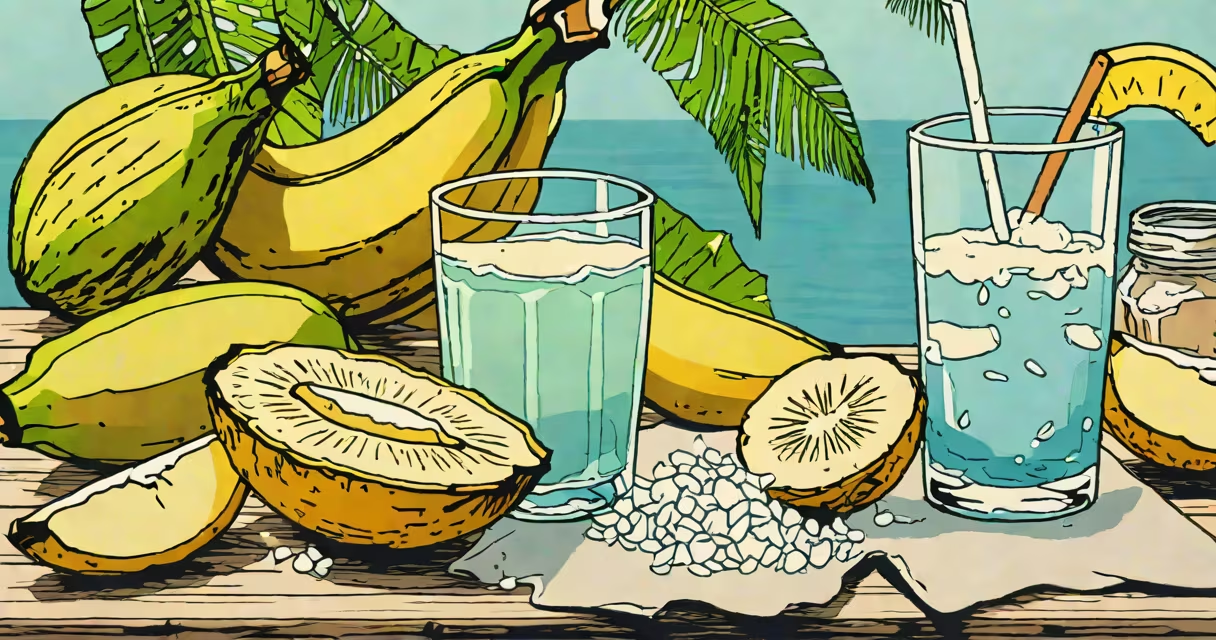
The best way to get electrolytes is through balanced oral rehydration solutions, whole foods rich in sodium, potassium, and magnesium, and targeted supplementation when needed. These methods restore fluid-electrolyte balance faster than plain water during dehydration caused by exercise, illness, or heat exposure.
Electrolytes are minerals that carry electric charges in bodily fluids. They regulate nerve function, muscle contractions, and fluid balance. Sodium, potassium, calcium, and magnesium are the primary electrolytes involved in homeostasis. Without adequate levels, cramping, fatigue, dizziness, and irregular heart rhythms can occur.
When sweat loss exceeds fluid intake-such as during prolonged physical activity or hot weather-the body loses sodium and potassium rapidly. Replacing only water in such cases dilutes remaining electrolytes, increasing the risk of hyponatremia. This condition, marked by low blood sodium, can lead to confusion, seizures, or coma in severe cases.
Electrolytes maintain osmotic pressure across cell membranes. Sodium drives fluid into cells; potassium moves it out. Calcium enables neuromuscular signaling; magnesium supports enzyme reactions critical for energy production. Disruption in any of these ions affects cellular function systemically.
For example, during intense endurance events like marathons, athletes lose up to 2 liters of sweat per hour. Sweat contains ~40 mmol/L sodium and ~3 mmol/L potassium. Without replacement, performance declines due to reduced nerve conduction velocity and impaired muscle contraction.
Oral rehydration therapy (ORT), developed by the World Health Organization, uses a precise ratio of glucose and electrolytes to improve intestinal absorption. A 2021 Cochrane review confirmed ORT reduces hospitalization rates in children with acute diarrhea by 30% compared to water-only rehydration.
Electrolytes come from three main sources: commercial products, whole foods, and supplements. Each has distinct advantages depending on context.
| Source Type | Best For | Key Electrolytes | Time to Effect |
|---|---|---|---|
| Oral rehydration solutions (ORS) | Acute dehydration, illness, post-exercise recovery | Sodium (60-90 mmol/L), potassium (20-30 mmol/L), glucose (50-75 g/L) | 15-30 minutes |
| Whole foods | Long-term maintenance, daily intake | Bananas (422 mg potassium), spinach (157 mg potassium), almonds (268 mg magnesium) | 30-60 minutes |
| Supplements | High-output training, medical conditions, deficiency | Varies: magnesium glycinate (400 mg), potassium chloride (99 mg per tablet) | 60-90 minutes |
Commercial ORS products like Pedialyte or DripDrop have standardized formulations. The WHO-recommended ORS contains 75 mmol/L sodium, 20 mmol/L potassium, and 75 g/L glucose. This concentration maximizes sodium-glucose cotransport in the small intestine, allowing rapid absorption even in compromised gut function.
Whole foods provide electrolytes alongside fiber, antioxidants, and micronutrients. A medium banana delivers 422 mg potassium-about 12% of the recommended daily intake. One cup of cooked spinach offers 157 mg potassium and 157 mg magnesium. These nutrients support vascular health and reduce cramping risk.
Supplements offer concentrated doses. Magnesium glycinate is preferred for sleep and muscle relaxation due to high bioavailability. Potassium chloride tablets are used when dietary intake is insufficient, though they require caution in people with kidney disease.
Many assume sports drinks like Gatorade are ideal for electrolyte replenishment. However, they contain 110-120 mg sodium per 8 oz serving-higher than optimal for most people-and 30-40 grams of sugar. A 2020 study in the Journal of the American College of Nutrition found that excessive sugar intake during rehydration impairs gut motility and delays recovery.
Another error is relying solely on coconut water. While it contains potassium (250 mg per 8 oz), its sodium content (25 mg) is too low for effective rehydration after heavy sweating. It's better suited as a mild supplement than a primary rehydration tool.
A non-obvious fact: sodium is often underemphasized in public health messaging. Most Americans consume less than 1,500 mg sodium daily, yet endurance athletes may lose 1,000-2,000 mg per hour. Replacing lost sodium is critical for maintaining plasma volume and preventing hyponatremia.
In July 2022, a 32-year-old male runner completed a 10K race in 95°F (35°C) heat. He reported leg cramps and dizziness post-race. Blood tests showed serum sodium of 130 mmol/L (low normal) and potassium of 3.4 mmol/L (borderline low).
He was advised to consume 500 mL of a standard ORS (containing 75 mmol/L sodium, 20 mmol/L potassium) within 30 minutes. After 45 minutes, his symptoms improved. Serum sodium rose to 138 mmol/L, and he reported full energy return within 90 minutes.
This outcome aligns with research from the American Journal of Clinical Nutrition, which found that ORS restored plasma volume 2.3 times faster than water alone in dehydrated adults.
Electrolyte imbalances can progress quickly. Symptoms like confusion, irregular heartbeat, or severe muscle weakness require immediate attention. People with chronic kidney disease, heart failure, or adrenal insufficiency must avoid high-dose electrolyte supplements without medical supervision.
For routine recovery, start with oral rehydration solutions or a balanced meal including bananas, leafy greens, and a pinch of sea salt. If cramping persists beyond 24 hours, consult a healthcare provider to rule out underlying deficiencies.
Understanding the best way to get electrolytes means choosing the right source for the situation. Oral rehydration solutions are most effective in acute settings. Whole foods sustain daily balance. Supplements fill gaps when diet falls short. Prioritize accuracy over convenience.