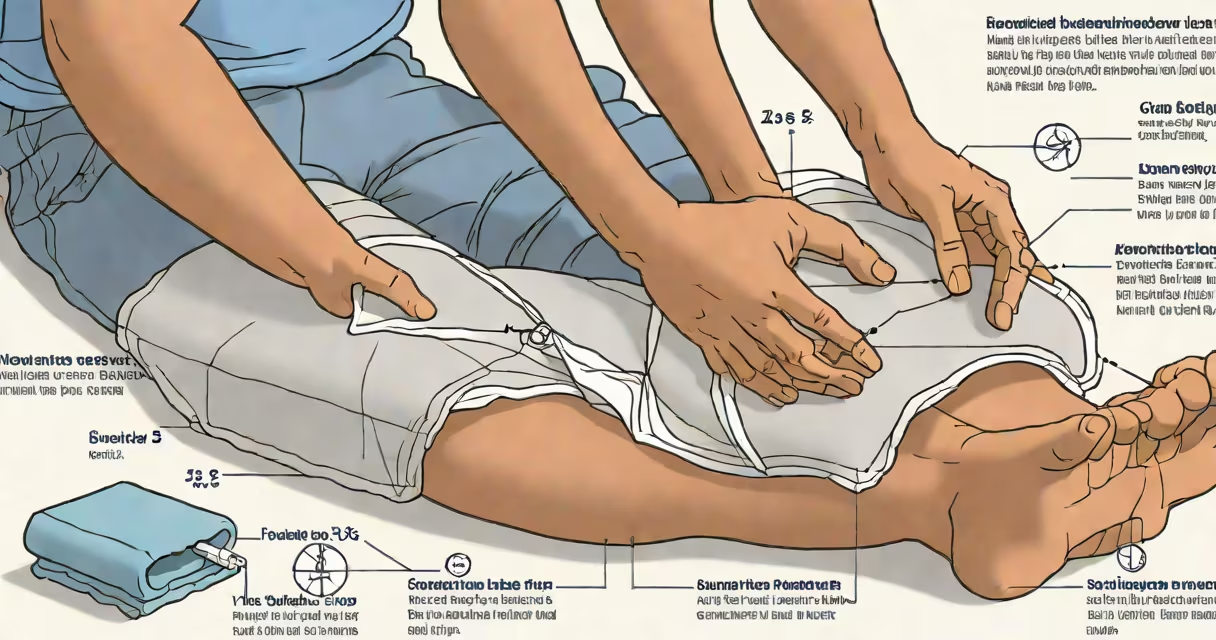
A pinched nerve in the leg occurs when pressure on a nerve root in the lower spine compresses the nerve, causing pain, numbness, tingling, or weakness along the path of the nerve-most often the sciatic nerve. This condition typically results from herniated discs, spinal stenosis, or muscle spasms affecting the lumbar region.
The most common symptom is radiating pain from the lower back through the buttock and down the back of the thigh, sometimes reaching the calf or foot. Numbness or a "pins and needles" sensation may appear on the outer side of the leg. Weakness in the foot or difficulty lifting the foot (foot drop) can occur in severe cases. According to the American Academy of Orthopaedic Surgeons (AAOS), about 80% of people with sciatica due to a pinched nerve improve within six weeks with conservative treatment.
Nerves exiting the lower spine travel through the pelvis and into the legs. When a disc bulges or bone spurs form due to arthritis, they can press on these nerves. The resulting irritation causes inflammation and abnormal signaling, leading to sharp, burning, or electric-like pain. The sciatic nerve, the largest nerve in the body, runs from the lower back through the hips and buttocks to the feet. Compression anywhere along its path can cause symptoms in the leg.
Pain often worsens with sitting, bending, or twisting. Standing or walking may temporarily relieve pressure. A 2021 study in Spine Journal found that patients with lumbar radiculopathy (sciatica) reported greater pain during prolonged sitting compared to standing or lying down.
Most pinched nerves in the leg stem from degenerative changes in the spine. Herniated discs account for nearly 60% of cases, especially at L4-L5 and L5-S1 levels. Spinal stenosis, narrowing of the spinal canal, affects 1 in 10 adults over 60, according to the National Institute of Neurological Disorders and Stroke (NINDS).
Other contributors include poor posture, repetitive strain, obesity, and sudden trauma. People who sit for long periods-such as office workers or drivers-are at higher risk. A 2020 review in Journal of Orthopaedic Research linked prolonged sitting to increased disc pressure and reduced nutrient flow to spinal tissues.
Initial management focuses on reducing inflammation and relieving pressure. Rest for 1-2 days is advised, but extended bed rest worsens outcomes. The Mayo Clinic recommends staying active with gentle movement to prevent stiffness.
Over-the-counter NSAIDs like ibuprofen (600 mg every 6 hours as needed) reduce swelling and pain. Apply heat or cold: cold packs for acute pain (first 48 hours), heat for chronic discomfort. A 2019 randomized controlled trial showed that alternating cold and heat reduced pain intensity by 40% in participants with sciatica.
Physical therapy is effective. Exercises such as pelvic tilts, hamstring stretches, and core strengthening improve spinal stability. A 12-week program led to significant improvement in 78% of patients, per a 2022 study in European Spine Journal.
Seek medical care if pain lasts more than 4 weeks, spreads below the knee, or causes weakness. Signs of cauda equina syndrome-loss of bowel or bladder control, saddle anesthesia (numbness around the groin)-require emergency evaluation. This rare condition affects fewer than 1 in 10,000 patients with sciatica but demands immediate surgery.
If conservative measures fail, imaging like MRI confirms the diagnosis. Corticosteroid injections into the epidural space can reduce inflammation. Surgery is considered only if neurological deficits progress or pain persists beyond 3 months despite treatment.
Many assume a pinched nerve requires surgery. Only 5-10% of cases need surgical intervention. Most resolve with non-invasive care. Another myth is that stretching alone fixes the issue. While helpful, stretching without addressing underlying instability can worsen symptoms.
Some confuse a pinched nerve with peripheral neuropathy. Peripheral neuropathy involves damage to nerves outside the spine-often from diabetes-and presents with symmetrical numbness in both feet. A pinched nerve in the leg usually affects one side and follows a specific dermatomal pattern.
Consider a 45-year-old office worker experiencing sharp pain down the left leg after lifting a heavy box. Pain radiates from the lower back through the buttock and down the back of the thigh. He reports numbness on the outer calf and difficulty pointing his toes. He avoids sitting for more than 15 minutes.
By week six, he resumes light weightlifting with proper form. His doctor orders an MRI to rule out a herniated disc. Results show mild L5-S1 disc bulge compressing the nerve root. He receives a single epidural steroid injection and continues therapy. Full function returns in eight weeks.
Prescription muscle relaxants like cyclobenzaprine (Flexeril) may be used short-term for spasms. A 2021 double-blind trial found Flexeril improved pain scores by 35% over placebo in patients with acute sciatica. However, drowsiness and dizziness limit use. Avoid combining with alcohol or sedatives.
Topical lidocaine patches can relieve localized pain. A 2020 study in Pain Medicine showed a 50% reduction in pain intensity with daily application. These are safe for long-term use but don't address the root cause.
Maintaining good posture, using ergonomic chairs, and taking breaks every 30 minutes while sitting reduces spinal stress. Strengthening the core and glutes prevents excessive lumbar flexion. Walking 30 minutes daily improves circulation and supports spinal health.
For those with recurring episodes, a home exercise routine including pelvic tilts, bird-dogs, and bridges prevents relapse. A 2023 cohort study in Physical Therapy found that patients who performed daily core exercises had a 60% lower recurrence rate over two years.