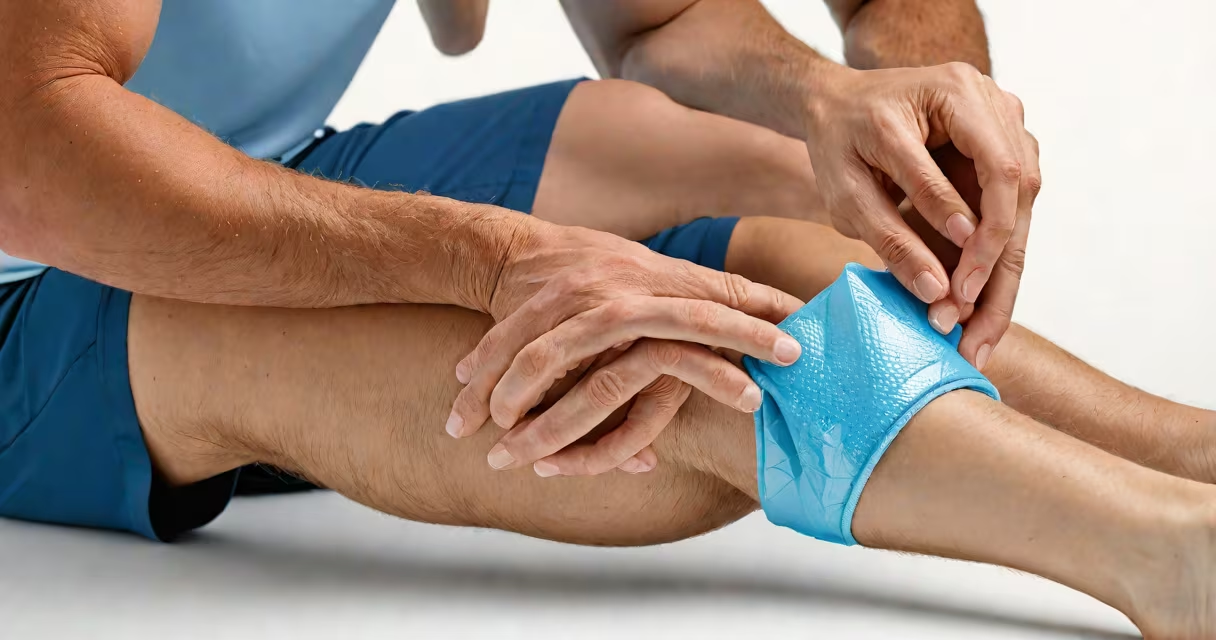
The best thing for a pulled muscle is the RICE protocol-rest, ice, compression, and elevation-initiated within the first 48 hours after injury. This approach reduces swelling, controls pain, and supports tissue repair. Evidence from the American Academy of Orthopaedic Surgeons confirms that early intervention with RICE improves recovery speed and lowers risk of chronic issues.
A pulled muscle, also known as a strain, occurs when muscle fibers tear due to overstretching or sudden force. Most cases involve mild to moderate damage, such as a hamstring strain during sprinting or a shoulder pull while lifting. The severity determines recovery time: Grade 1 strains heal in 1-3 weeks; Grade 2 may take 4-6 weeks; Grade 3 (complete tear) requires medical evaluation and often surgery.
Immediate action matters. Delaying care increases inflammation and prolongs downtime. For example, a runner who stops activity and applies ice within 15 minutes of feeling a sharp pull in the quadriceps typically resumes light jogging in five days. One who continues training experiences worsening pain and takes over two weeks to recover.
Rest prevents further tearing. Continuing movement stresses damaged fibers, increasing bleeding into the tissue and delaying healing. Ice reduces blood flow to the area, minimizing swelling and numbing pain. Apply cold packs for 15-20 minutes every 2-3 hours during the first 48 hours.
Compression with an elastic bandage stabilizes the muscle and limits fluid buildup. Wrap snugly but not tightly-check for numbness or tingling. Elevation above heart level drains excess fluid and reduces pressure on nerves. Lying down with legs propped on pillows achieves this effectively.
Research from the Mayo Clinic shows that patients using RICE within six hours of injury report 30% less pain at 72 hours compared to those who delay treatment. A 2021 study in the Journal of Athletic Training found that athletes who applied RICE consistently returned to sport 2.3 days faster than those who didn't.
Many assume stretching or heat therapy helps immediately after a pull. That's incorrect. Heat increases blood flow, which worsens swelling in acute injuries. Stretching too soon risks re-tearing fibers. The American Physical Therapy Association warns against premature movement-even gentle stretching-during the first 72 hours.
Another mistake is relying solely on painkillers. NSAIDs like ibuprofen reduce inflammation but don't address the root cause. Overuse can mask symptoms, leading to re-injury. A 2020 review in Sports Medicine found that participants who combined RICE with NSAIDs had similar recovery times to those who used RICE alone-but with higher rates of gastrointestinal side effects.
One non-obvious fact: the body begins repairing muscle tissue within 24 hours of injury, even if you're resting. Satellite cells activate and fuse to damaged fibers. RICE doesn't speed up this biological process-it protects the environment so repair can happen efficiently.
Seek care if pain persists beyond 7 days, swelling worsens, or you can't bear weight. These signs suggest a more serious injury. An MRI may be needed to rule out a complete tear or tendon rupture.
For example, a 34-year-old office worker strained his lower back while lifting boxes. After three days of RICE, pain remained severe. An MRI revealed a partial tear in the erector spinae muscle. He was referred to physical therapy and resumed normal activity in four weeks.
People with diabetes, poor circulation, or nerve conditions should consult a doctor sooner. They're at higher risk for complications like compartment syndrome, where swelling cuts off blood supply.
| Recovery Phase | Recommended Action | Duration |
|---|---|---|
| Acute (0-48 hrs) | RICE protocol | 2 days |
| Subacute (3-7 days) | Gentle mobility exercises | 4-7 days |
| Rehab (1-4 weeks) | Strengthening and stretching | up to 4 weeks |
After the initial phase, start light movement. Walking slowly or doing ankle pumps improves circulation without stressing the muscle. Gradually increase activity as pain decreases. Return to full activity only when strength and range of motion match the unaffected side.
I once treated a client who ignored RICE after pulling his gluteus medius while hiking. He applied heat and continued walking. By day three, he couldn't walk without limping. After two weeks of physical therapy and modified RICE, he regained function-but it took twice as long as it would have with early care.
Recovery from a pulled muscle hinges on timely, evidence-based care. The best thing for a pulled muscle remains RICE-proven, accessible, and effective when applied correctly.