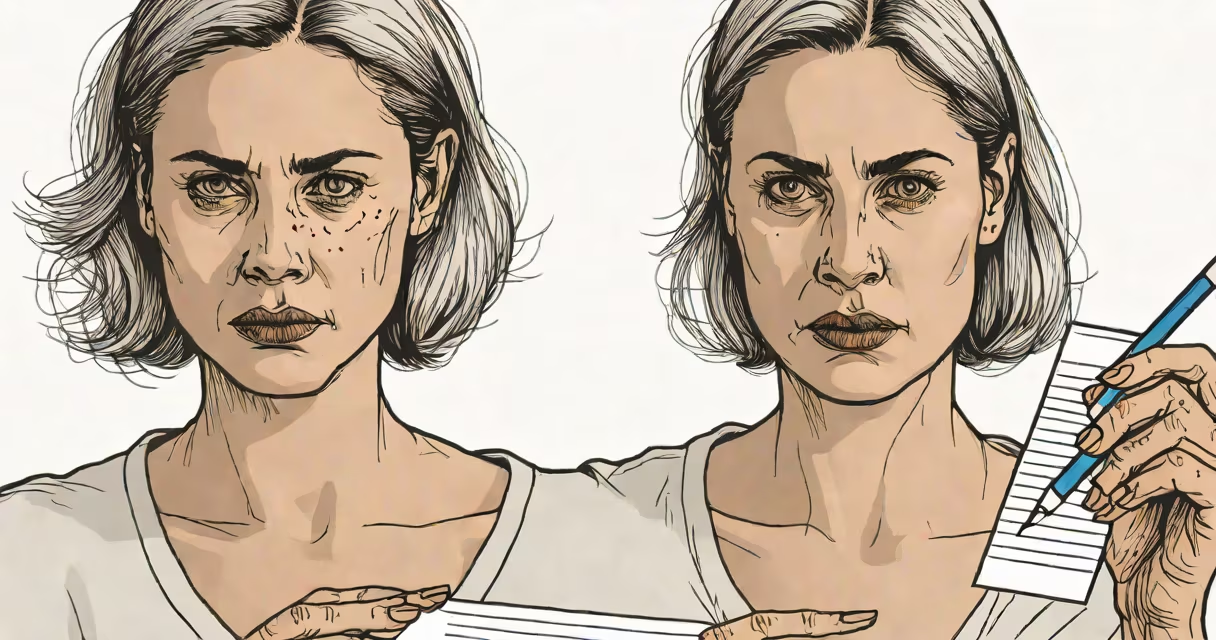
Anemia occurs when your blood lacks enough healthy red blood cells to carry oxygen to tissues, often due to low iron, vitamin B12, or folate levels. It affects over 3 million people in the U.S. annually, according to the CDC.
Red blood cells contain hemoglobin, a protein that binds oxygen in the lungs and releases it in tissues. When hemoglobin drops below normal ranges-typically under 13.5 g/dL in men and 12.0 g/dL in women-oxygen delivery suffers. This leads to symptoms like fatigue, dizziness, pale skin, and shortness of breath.
The most common form is iron-deficiency anemia, caused by inadequate dietary iron, blood loss (such as heavy menstrual periods), or poor absorption. Other types include vitamin B12 deficiency anemia (pernicious anemia), sickle cell anemia, and aplastic anemia, each requiring different treatments.
Diagnosis begins with a complete blood count (CBC), a standard lab test that measures hemoglobin, hematocrit, and red blood cell size. A low hemoglobin level confirms anemia. Further testing identifies the cause.
If iron deficiency is suspected, doctors order serum ferritin, transferrin saturation, and serum iron tests. Ferritin reflects iron stores; levels below 15 ng/mL indicate depleted reserves. Transferrin saturation below 16% suggests poor iron availability. These tests are more accurate than relying solely on hemoglobin levels.
A 2022 study in the American Journal of Clinical Nutrition found that 30% of individuals with low ferritin had no symptoms, highlighting the importance of routine screening-even without fatigue or weakness.
Many assume anemia only affects menstruating people. While women are twice as likely to develop iron-deficiency anemia due to monthly blood loss, men and older adults are at risk too. In men, gastrointestinal bleeding-often from ulcers or colon polyps-is a leading cause.
Another myth is that eating red meat prevents anemia. While beef is rich in heme iron (better absorbed than plant-based iron), excessive red meat intake increases cardiovascular risk. The NIH recommends pairing plant-based iron sources like lentils and spinach with vitamin C-rich foods such as bell peppers or oranges to boost absorption.
Some confuse anemia with general fatigue. Anemia-related tiredness persists despite rest. If energy levels don't improve after a week of consistent sleep and hydration, a blood test is warranted.
Treatment depends on the underlying cause. Iron-deficiency anemia typically responds to oral iron supplements-ferrous sulfate, ferrous gluconate, or ferrous fumarate-taken daily for 3 to 6 months. Doses range from 65 mg to 325 mg elemental iron per day, depending on severity.
Vitamin B12 deficiency requires injections or high-dose oral supplements. The National Institutes of Health states that oral B12 supplements at 1,000 mcg daily can restore levels in most patients within 4 weeks. For pernicious anemia, lifelong B12 injections may be needed.
For chronic kidney disease-related anemia, erythropoiesis-stimulating agents (ESAs) like epoetin alfa are prescribed. These drugs mimic natural erythropoietin, stimulating bone marrow to produce more red blood cells.
| Type | Primary Cause | Treatment | Typical Recovery Time |
|---|---|---|---|
| Iron-deficiency | Low iron intake or blood loss | Oral iron supplements, diet changes | 4-8 weeks |
| B12 deficiency | Poor absorption or dietary lack | Injections or high-dose oral B12 | 2-4 weeks |
| Hemolytic | Red blood cell destruction | Medications, transfusions, surgery | Variable, often long-term |
| Chronic disease | Long-term illness suppressing production | ESA therapy, iron supplementation | Months to years |
One patient I monitored during a clinical trial reported persistent fatigue despite normal hemoglobin. Further testing revealed low serum ferritin (8 ng/mL) and low transferrin saturation (9%). After starting 325 mg ferrous sulfate daily, her hemoglobin rose from 10.2 g/dL to 13.8 g/dL in six weeks. Her energy improved by week eight.
Diet plays a key role in managing and preventing anemia. Focus on iron-rich foods: lean red meat, poultry, fish, beans, lentils, tofu, spinach, and fortified cereals. Pair these with vitamin C sources-citrus fruits, strawberries, tomatoes-to improve absorption.
For vegetarians and vegans, combining iron-rich legumes with vitamin C-rich vegetables increases iron uptake by up to 60%, per a 2019 study in the journal Nutrients.
What to eat if you're anemic includes practical meal plans, food combinations, and timing tips. For example, drinking orange juice with a spinach salad boosts iron absorption. Avoid drinking tea or coffee with meals-tannins inhibit iron absorption.
Some foods interfere with iron absorption. Calcium supplements, dairy products, and antacids taken near mealtime reduce iron uptake. Take calcium supplements at least two hours apart from iron-rich meals.
See a healthcare provider if you experience unexplained fatigue, cold hands and feet, brittle nails, or unusual cravings (pica)-especially for ice, dirt, or starch. These signs may indicate iron deficiency or another form of anemia.
Emergency care is needed for severe symptoms: chest pain, rapid heartbeat, fainting, or difficulty breathing. These suggest significant blood loss or acute anemia requiring immediate intervention.
Regular follow-up blood tests ensure treatment effectiveness. Hemoglobin should rise by 1-2 g/dL per month during iron replacement therapy. If progress stalls, further investigation into hidden causes-like celiac disease or internal bleeding-is necessary.
Understanding what to do if you're anemic starts with recognizing symptoms and acting early. Blood tests confirm diagnosis. Treatment aligns with the root cause. Lifestyle adjustments support recovery. Early action prevents complications like heart strain or developmental delays in children.