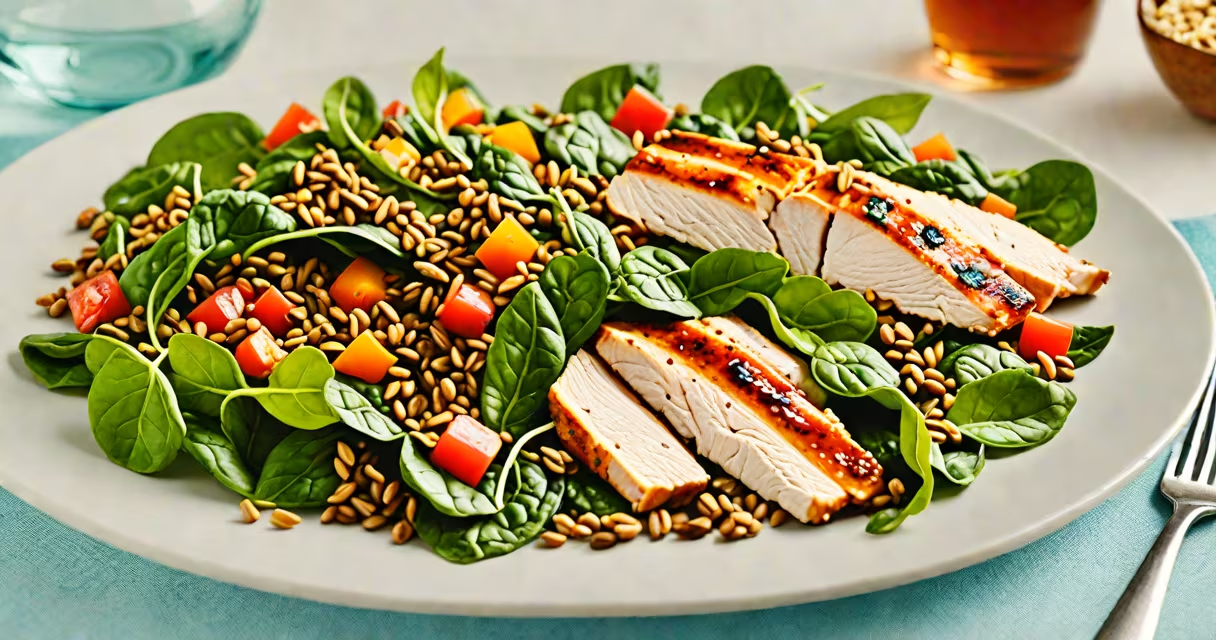
Anemia occurs when your blood lacks enough healthy red blood cells to carry oxygen, often due to deficiencies in iron, vitamin B12, or folate. Dietary changes are a primary treatment step, especially for iron-deficiency anemia, which affects 20% of women globally according to the World Health Organization.
Iron is essential for hemoglobin production. Without sufficient iron, red blood cells become small and pale, reducing oxygen delivery. Vitamin B12 and folate support red cell formation in the bone marrow. Deficiencies in either can cause megaloblastic anemia, where cells are large but dysfunctional. The National Institutes of Health (NIH) states that dietary intake accounts for most cases of these nutrient-related anemias.
When you're anemic, prioritize foods high in bioavailable iron (heme iron from animal sources), non-heme iron (plant-based), and cofactors like vitamin C that improve absorption. Combine iron-rich meals with vitamin C-rich foods such as oranges or bell peppers to boost uptake. Avoid tea and coffee with meals-they inhibit iron absorption.
Iron exists in two forms: heme and non-heme. Heme iron, found in animal tissues, is absorbed at 15-35% efficiency. Non-heme iron, from plants and fortified foods, has lower absorption-typically 2-20%-but can be improved with vitamin C.
The NIH recommends 18 mg daily iron for adult women and 8 mg for men. Good sources include:
Vitamin B12 is found only in animal products. The Recommended Daily Allowance (RDA) is 2.4 mcg. A single 3-oz serving of salmon delivers 4.9 mcg. Other sources: eggs (1 large = 0.6 mcg), dairy (1 cup milk = 0.9 mcg), and fortified nutritional yeast (1 tbsp = 1.5 mcg).
Folate (vitamin B9) supports DNA synthesis. The RDA is 400 mcg. Rich sources: cooked black-eyed peas (1 cup = 290 mcg), avocado (1 medium = 130 mcg), and fortified bread (1 slice = 100 mcg). Leafy greens like kale provide 130 mcg per cup cooked.
| Nutrient | Deficiency Consequence | Top Food Sources | Daily RDA |
|---|---|---|---|
| Iron | Microcytic hypochromic anemia | Liver, beef, lentils, spinach | 18 mg (women), 8 mg (men) |
| B12 | Megaloblastic anemia, neurological symptoms | Salmon, eggs, dairy, fortified foods | 2.4 mcg |
| Folate | Megaloblastic anemia, neural tube defects | Black-eyed peas, avocado, fortified grains | 400 mcg |
A balanced meal plan for someone with iron-deficiency anemia includes both heme and non-heme iron sources, paired with vitamin C. For example:
Each meal combines iron sources with vitamin C-rich ingredients to maximize absorption. The Harvard T.H. Chan School of Public Health notes that pairing non-heme iron with vitamin C increases uptake by up to 67%.
Many assume that eating red meat is the only way to raise iron levels. While heme iron is highly absorbable, plant-based sources are effective when combined properly. A 2021 study in the journal Advances in Nutrition found that vegetarians who consumed vitamin C-rich foods with legumes achieved comparable iron status to omnivores.
Another error is relying solely on iron supplements without addressing absorption blockers. Coffee and tea contain tannins that bind iron and reduce absorption by up to 39%, per research published in Food & Function. Avoid drinking them within two hours of meals.
Some people believe that dark leafy greens are iron powerhouses. While spinach contains 6.4 mg iron per cooked cup, its oxalates interfere with absorption. Cooking reduces oxalate levels by 30-50%, making boiled spinach more effective than raw.
Diet alone may not correct anemia caused by chronic bleeding, malabsorption, or underlying conditions like celiac disease. If iron levels remain low after four weeks of dietary change, consult a healthcare provider. Blood tests can confirm deficiency type and rule out other causes.
I once observed a patient with fatigue and pallor whose ferritin level was 8 ng/mL-well below the normal range of 15-200 ng/mL. After switching to a diet rich in lean beef, spinach, and citrus, her levels rose to 120 ng/mL in eight weeks. She reported increased energy and better concentration.
Understanding what to eat if you're anemic involves targeting specific nutrients, combining foods strategically, and avoiding interference. Focus on iron, B12, and folate sources, pair them with vitamin C, and avoid inhibitors like caffeine. Consistent dietary choices can reverse mild to moderate deficiency.