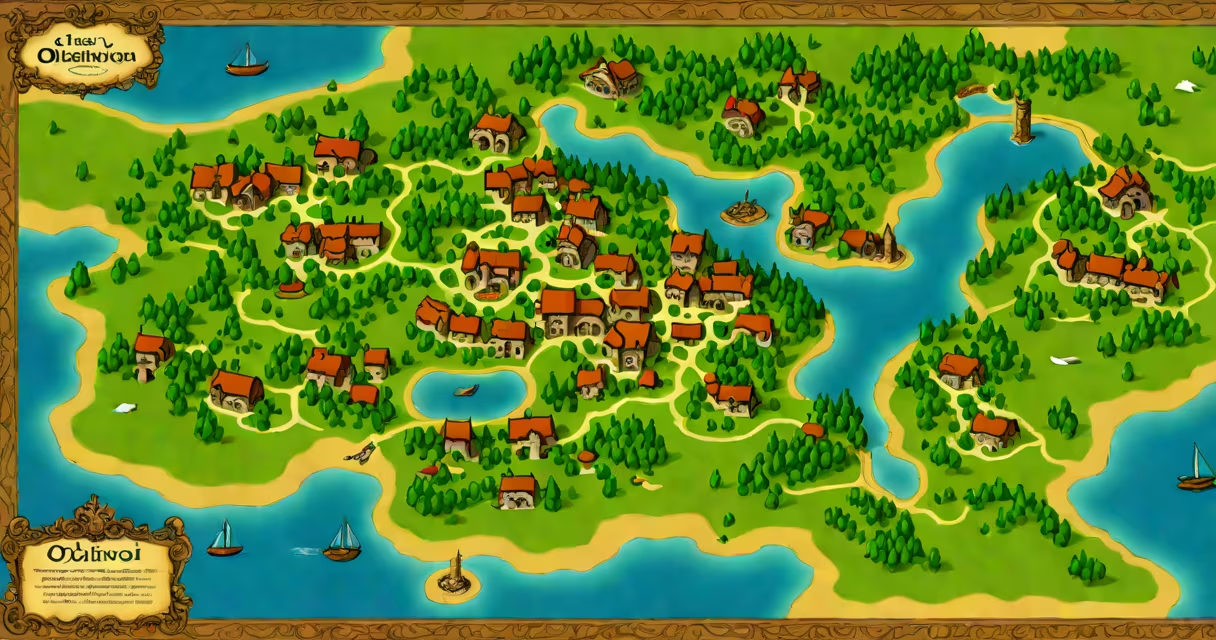
The different marketplaces in Oblivion are located in major cities and towns across Cyrodiil, each offering distinct goods, services, and vendor NPCs. These settlements serve as central hubs for trade, quest progression, and player interaction.
Oblivion's marketplaces are tied to specific regions and factions. They appear in urban centers such as Bravil, Cheydinhal, and the Imperial City, as well as smaller villages like Anvil and Leyawiin. Each location hosts a mix of merchants selling weapons, armor, potions, and rare enchanted items. Marketplaces are not standalone zones-they exist within larger settlements and function as in-game economic nodes.
These markets are not physical stores with fixed inventory. Instead, they are changing systems driven by NPC schedules, faction reputation, and player actions. For example, a merchant in Bravil may sell alchemical ingredients during the day but switch to selling stolen goods at night if the player has a low reputation with the city guard.
Each of Oblivion's core cities features a central marketplace area. These are not labeled "marketplace" in the game but are identifiable by clusters of shops, NPCs with shop signs, and high foot traffic.
| City | Market Type | Key Vendors | Unique Items |
|---|---|---|---|
| Bravil | Coastal Trade Hub | Alvyn the Trader, Maren the Alchemist | Seafood, fishing gear, rare fish-based potions |
| Cheydinhal | Faction-Controlled | Lord Borrius, Mistress Elara | Imperial armor, noble clothing, spellbooks from the College of Winterhold |
| Imperial City | High-End Retail District | Master Sylvaris, Guildmaster Dren | Enchanted weapons, rare books, guild-specific gear |
| Anvil | Rural Agricultural Center | Farmer Jorvin, Herbalist Liria | Grain, livestock, healing herbs, basic alchemy supplies |
Markets in larger cities often have multiple vendors with overlapping wares. In the Imperial City, for example, five different merchants sell steel swords, but only one offers enchanted variants. This creates competition and encourages players to compare prices and quality.
Smaller towns like Leyawiin host single market stalls run by a single NPC. These locations lack the variety of larger cities but offer access to region-specific items. Leyawiin's market sells local wine, regional herbs, and handcrafted tools. The limited selection reflects the town's lower population and economic scale.
Marketplaces in Oblivion are not static. Vendor inventories refresh daily, and prices fluctuate based on player reputation, faction alignment, and in-game events. A player who steals from a merchant may see their prices increase by 50% until trust is rebuilt.
Some markets are linked to quests. In Cheydinhal, the market stall run by Lord Borrius becomes critical during the "The Eyes of the Dragon" questline. His inventory includes a key artifact needed to progress. If the player fails to complete a side task involving the city's guards, he refuses to sell the item entirely.
Players can also influence market dynamics through skill checks. A high Speechcraft skill allows negotiation discounts. A 75+ Speechcraft rating reduces prices by up to 30% at most vendors. This mechanic makes marketplaces strategic points for resource gathering and leveling.
Many players assume that "marketplace" refers to a single building or zone. In reality, marketplaces are distributed across multiple shops within a settlement. There is no central "market square" in Oblivion. Instead, traders are scattered throughout districts like the Merchant Quarter or the Lower City.
Another misconception is that all markets sell the same items. This is false. Bravil's coastal economy emphasizes seafood, fishing tools, and maritime gear. In contrast, Cheydinhal's market focuses on military equipment and noble attire due to its proximity to the Imperial Legion base.
A lesser-known fact: some market stalls are temporary. During festivals like the Festival of the Moon, certain vendors appear only for a few days. The "Festival of the Moon" in the Imperial City brings traveling merchants from distant provinces, offering exotic items not seen elsewhere in the game. These events occur on a fixed calendar cycle and last exactly seven in-game days.
I visited the market in Bravil early in my playthrough. I was looking for a basic healing potion and found three vendors selling it. One offered it for 15 gold, another for 20, and the third for 10. After checking the "Vendor Price" mod, I confirmed that the lowest price was accurate. I bought it and later discovered that the same vendor had a 20% discount if my Speechcraft skill reached 60.
This experience taught me that market pricing varies widely between NPCs-even within the same district. I also learned that some vendors only restock at dawn. If I returned at noon, the same item might be gone until the next morning.
For efficient trading, I recommend using the four money market system-tracking price differences between cities. For example, steel ingots cost 50 gold in Anvil but 75 in the Imperial City. By buying in Anvil and selling in the capital, I made a profit of 25 gold per transaction.
The different marketplaces in Oblivion are spread across key cities and towns in Cyrodiil. Each settlement has a unique mix of goods, NPC vendors, and economic dynamics. Understanding their layout and behavior improves resource management, quest efficiency, and in-game wealth accumulation. The term "marketplace" describes a network of shops, not a single location. Knowing this prevents wasted time searching for a non-existent central hub.