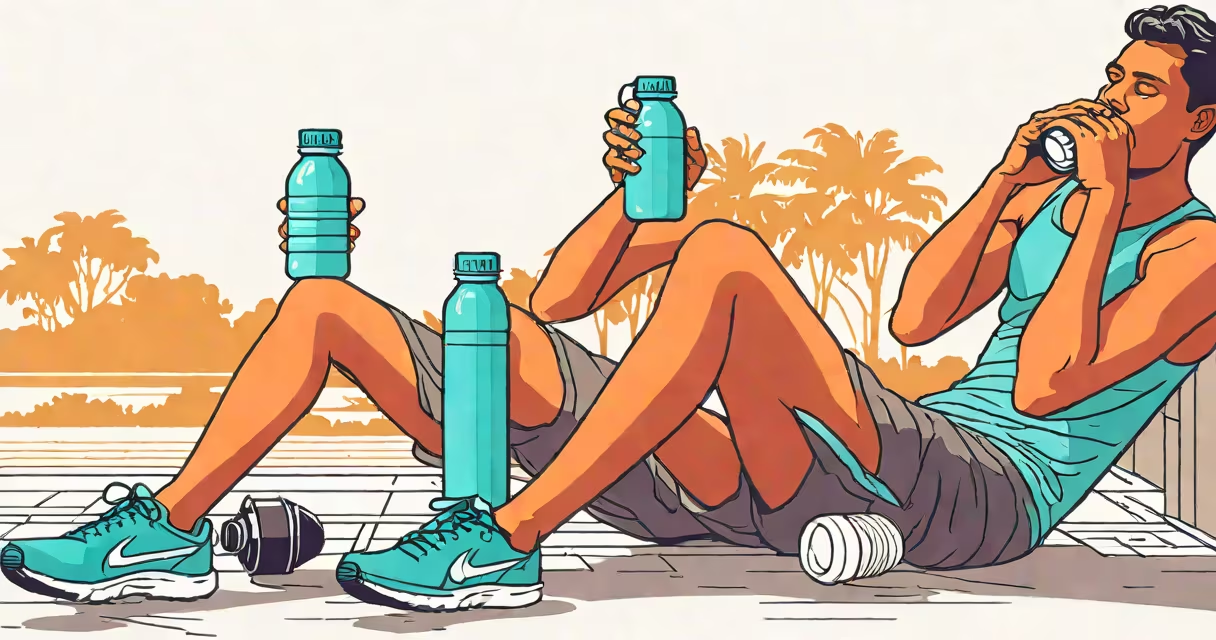
After a workout, you may feel no desire to eat despite burning calories. This lack of hunger stems from acute hormonal changes, elevated stress markers, and the body's prioritization of recovery over immediate fuel intake. The phenomenon is normal and often temporary.
Exercise triggers a cascade of physiological responses. During and shortly after physical activity, cortisol and adrenaline rise to mobilize energy stores. These hormones suppress appetite signals in the brain's hypothalamus. Simultaneously, levels of ghrelin-the "hunger hormone"-drop, while peptide YY and leptin-both associated with satiety-increase. Together, they reduce the urge to eat.
A 2021 study published in Frontiers in Endocrinology found that moderate to intense aerobic exercise reduces subjective hunger by up to 30% in the hour post-exercise, especially in individuals who train regularly. This effect is more pronounced in endurance athletes and those with higher fitness levels, suggesting adaptation plays a role.
The body uses multiple systems to regulate hunger. The gut-brain axis sends signals based on nutrient availability, stretch, and metabolic state. Exercise disrupts this balance temporarily. Blood flow shifts from the digestive tract to muscles and the brain during exertion, slowing gastric emptying and reducing the sensation of hunger.
Elevated core temperature and dehydration-common after intense sessions-can suppress appetite. A 2019 review in Journal of Sports Sciences noted that even mild dehydration (1-2% body weight loss) reduces hunger ratings in trained individuals.
For example, a runner completing a 60-minute tempo run may report zero hunger despite expending 500-700 kcal. Their body prioritizes thermoregulation and muscle repair over digestion. This is not a problem unless it persists beyond 2-3 hours post-exercise or leads to inadequate long-term calorie intake.
Many assume that not feeling hungry means the body isn't using energy or that skipping meals after a workout harms progress. That's incorrect. The absence of hunger doesn't equate to low energy status. Your body may still be in a net catabolic state, breaking down protein for repair, even if you don't feel hungry.
Another misconception is that fasting after a workout enhances fat loss. While time-restricted feeding can support metabolic health, skipping meals post-exercise when recovery is needed can impair muscle synthesis and immune function. Research from the International Journal of Sport Nutrition and Exercise Metabolism shows that delaying protein intake by more than 2 hours post-resistance training reduces muscle protein synthesis by 25%.
Some people confuse post-workout anorexia with disordered eating patterns. However, transient appetite suppression after exercise is distinct from chronic loss of appetite. If you consistently skip meals, lose weight unintentionally, or experience fatigue, consult a healthcare provider. But for most, the lack of hunger is a normal adaptive response.
Not feeling hungry after a workout is typical under these conditions:
If hunger remains absent past 3 hours, or if you're experiencing dizziness, weakness, or poor sleep, consider whether you're under-fueling. Chronic under-eating-even if not felt as hunger-can lead to hormonal imbalances, including low testosterone and disrupted thyroid function.
For reference, the American Council on Exercise recommends consuming 20-30 grams of protein within 30-60 minutes post-resistance training. If you're not eating, you're missing a critical window for muscle recovery. Even if you don't feel hungry, a small, balanced snack-like a banana with peanut butter or a protein shake-is effective.
I once trained for a half-marathon and noticed I didn't feel hungry after evening runs. My routine included a 45-minute jog followed by stretching. For two weeks, I skipped dinner. Energy dipped, and my recovery slowed. After consulting a sports nutritionist, I began drinking a recovery shake (30g whey, 40g carbs, 10g fat) within 45 minutes of finishing. Within a week, my energy returned, and soreness decreased.
Here's a practical example: You complete a 60-minute strength session at 7 PM. You don't feel hungry until 9:30 PM. Instead of waiting, prepare a meal with 30g protein (e.g., grilled chicken), 50g complex carbs (e.g., sweet potato), and healthy fats (e.g., avocado). Eat it between 8:30-9:30 PM. This ensures nutrients arrive during the anabolic window.
Even if you don't feel hungry, your body still needs fuel. Delaying intake by more than 2 hours increases the risk of muscle breakdown and delayed recovery. The body doesn't distinguish between "I'm not hungry" and "I haven't eaten." It responds to nutrient availability.
For those who struggle with post-workout eating, try prepping meals in advance. Keep a portable option like a hard-boiled egg, Greek yogurt, or a nut bar in your gym bag. Or set a phone reminder: "Eat within 60 minutes of finishing." Small habits prevent long-term deficits.
Understanding why you're not hungry after working out helps avoid misinterpreting your body's signals. This response is not a flaw-it's a survival mechanism evolved to conserve energy during stress. But it requires intentional management to support performance and health.