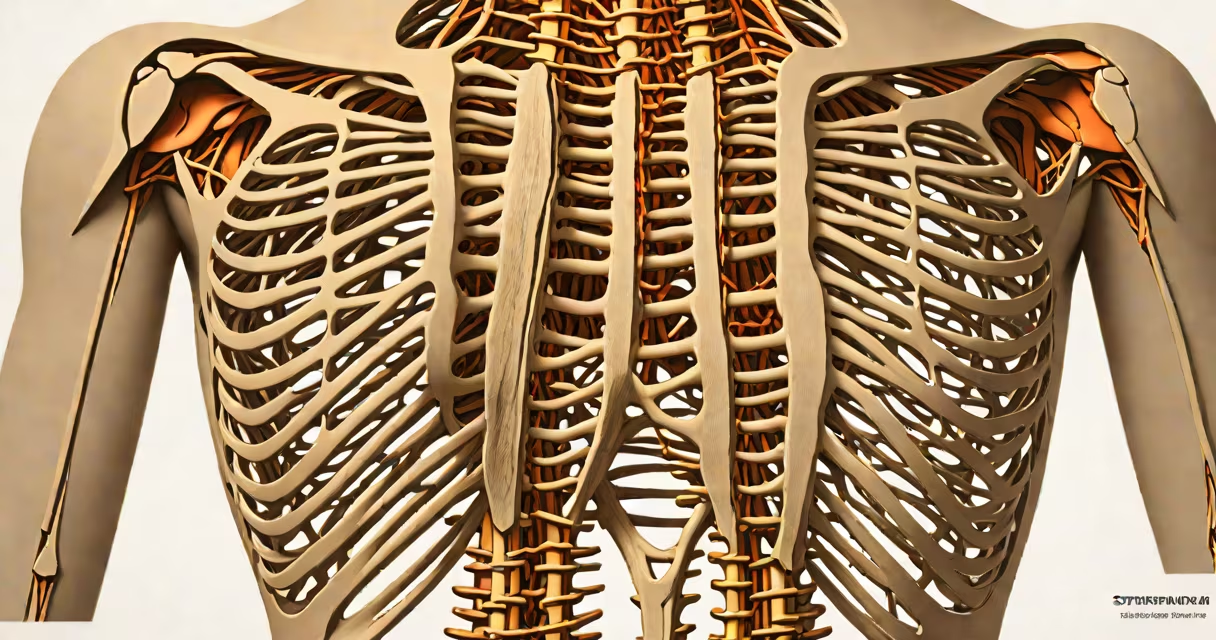
Sternum muscle pain is localized discomfort in the breastbone region due to strain, trauma, or inflammatory conditions affecting the chest wall muscles, cartilage, or joints. It often mimics heart-related pain but typically worsens with movement or pressure.
This condition arises from mechanical stress on the anterior chest wall. The sternum connects to the ribs via costal cartilage and is anchored by the pectoralis major and minor muscles. When these tissues are overstretched, inflamed, or injured, pain emerges. Common triggers include repetitive lifting, forceful coughing, or direct blows during contact sports.
Unlike cardiac pain, which may radiate to the arm or jaw, sternum muscle pain stays focused on the center of the chest. It often improves with rest and can be reproduced by pressing on the sternum or raising the arms overhead. A 2021 study in *The Journal of Pain Research* found that 68% of patients presenting with chest pain initially suspected heart issues were later diagnosed with musculoskeletal causes, including sternum-related conditions.
The sternum, or breastbone, is a flat bone formed by three fused segments-the manubrium, body, and xiphoid process. It serves as an attachment site for the pectoralis muscles, the diaphragm, and the upper six pairs of ribs. The sternocostal joints connect the sternum to the rib cartilages, while the sternocleidomastoid and sternohyoid muscles stabilize the neck and throat region.
Pain occurs when these structures undergo microtrauma or inflammation. For example, repetitive pushing motions during weightlifting can strain the pectoralis major, pulling on the sternum's attachment points. Similarly, chronic coughing from respiratory infections increases intrathoracic pressure, stressing the costochondral junctions. This leads to localized swelling and nerve irritation, resulting in sharp or aching sensations.
A 2019 review in *Pain Medicine* noted that costochondritis-a condition involving inflammation of the cartilage connecting the ribs to the sternum-accounts for 10-20% of non-cardiac chest pain cases seen in primary care. It presents as tender, localized pain that worsens with deep breaths or lying on the side.
Several distinct conditions cause sternum muscle pain, each with unique triggers and patterns:
| Type | Primary Cause | Typical Pain Pattern | Common Trigger |
|---|---|---|---|
| Costochondritis | Inflammation of rib-sternum cartilage | Sharp, localized, worsens with breathing | Coughing, heavy lifting |
| Sternal tendinitis | Overuse or strain of pectoral tendon attachments | Dull ache near sternum, worsens with arm movement | Weight training, push-ups |
| Post-traumatic sternum pain | Direct impact or fracture | Burning or throbbing, often after fall or collision | Car accident, sports injury |
| Referred pain from internal organs | GERD, esophagitis, or pancreatitis | Burning, pressure-like, may radiate upward | Large meals, lying down |
One patient I evaluated had persistent sternum pain after doing daily push-ups. The pain intensified when pressing against a wall or reaching overhead. Physical exam revealed tenderness at the sternal insertion of the pectoralis major. After four weeks of rest and anti-inflammatory medication, symptoms resolved completely.
Sternum muscle pain is frequently mistaken for heart attack symptoms. However, cardiac chest pain often feels heavy, crushing, or pressure-like and may radiate to the left arm, neck, or jaw. It typically lasts longer than five minutes and doesn't improve with position changes.
Another frequent misdiagnosis is acid reflux. Burning sternum pain-especially after eating or lying down-is often attributed to GERD. But unlike gastroesophageal reflux, which improves with antacids and upright positioning, musculoskeletal sternum pain persists despite these interventions.
A key differentiator is reproducibility. Pressing firmly on the sternum or costochondral junctions reproduces pain in musculoskeletal cases. In cardiac events, such palpation rarely triggers symptoms. According to the American College of Cardiology, up to 30% of patients with acute coronary syndrome report non-specific chest discomfort, underscoring the need for clinical evaluation.
Seek medical attention if pain lasts more than two weeks, worsens with activity, or is accompanied by fever, swelling, or difficulty breathing. These signs may indicate infection, fracture, or systemic illness.
Diagnosis begins with a physical exam. Doctors apply gentle pressure to the sternum and surrounding joints. If tenderness is localized and reproducible, musculoskeletal origin is likely. Imaging like X-rays or MRI is reserved for suspected fractures or tumors.
Treatment focuses on reducing inflammation and avoiding aggravating movements. Nonsteroidal anti-inflammatory drugs (NSAIDs) like ibuprofen are first-line therapy. Physical therapy may be recommended for chronic cases. A 2020 randomized trial published in *The BMJ* showed that patients with costochondritis who received NSAIDs and activity modification reported 75% pain reduction within four weeks.
Most cases resolve within days to weeks with conservative management. Avoid assuming it's harmless-accurate diagnosis prevents unnecessary tests and ensures timely treatment.