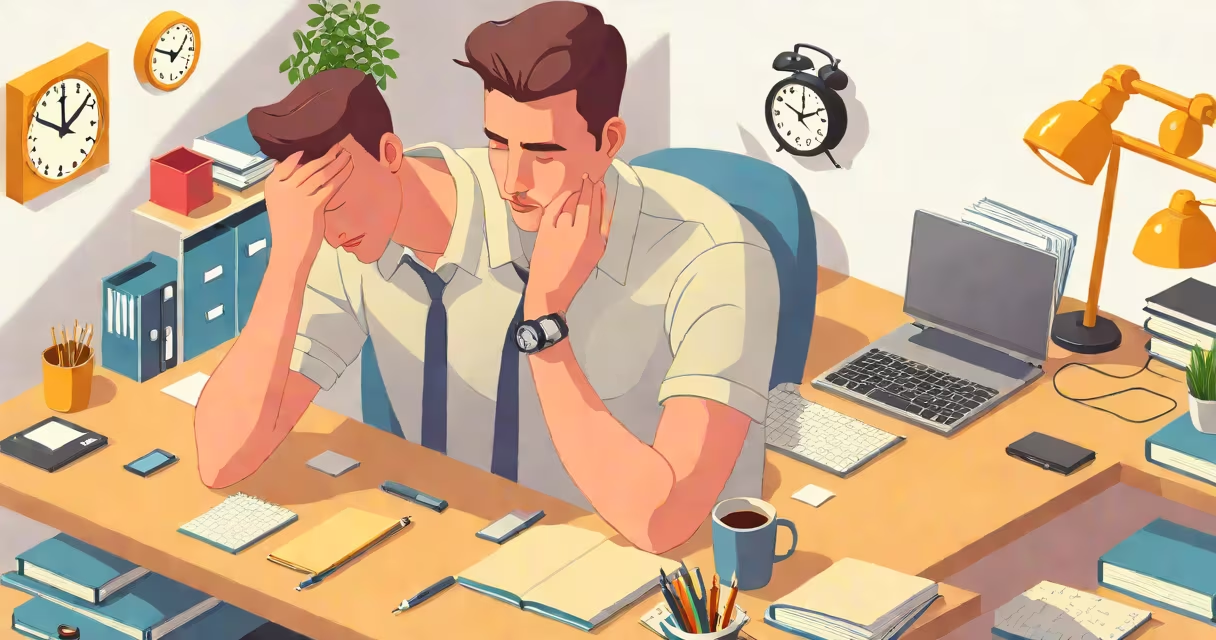
You feel persistently drained, mentally foggy, and physically weak despite adequate sleep. This state-commonly called "feeling run down"-results from prolonged stress, nutrient deficiencies, poor sleep quality, or underlying medical conditions. It's not just laziness or lack of motivation.
Feeling run down isn't a single symptom. It's a cluster of physical and mental signs indicating your body and mind are under sustained strain. You may struggle to focus, feel heavy in your limbs, or lose interest in daily tasks. These signals aren't random-they reflect biological systems operating beyond their limits.
The condition often begins subtly. A week of late nights, skipped meals, or emotional pressure can trigger a downward spiral. Without intervention, energy levels drop further, increasing risk for burnout, weakened immunity, and mood disorders. Recognizing early signs improves recovery speed.
Your body runs on energy derived from food, oxygen, and cellular processes. When demand exceeds supply, fatigue sets in. This isn't just mental-it's measurable in hormone shifts, brainwave patterns, and metabolic markers.
Chronic stress elevates cortisol, which disrupts sleep, suppresses immune function, and increases blood sugar. Over time, this leads to adrenal fatigue-a term often misused but rooted in real physiological changes. The hypothalamic-pituitary-adrenal (HPA) axis becomes dysregulated, making it harder to recover from daily demands.
A 2021 study published in *Frontiers in Endocrinology* found that individuals reporting high fatigue had elevated evening cortisol levels and reduced melatonin production, disrupting circadian rhythms. This imbalance contributes to daytime drowsiness and nighttime insomnia-creating a cycle that worsens fatigue.
Not all fatigue is the same. Causes fall into four categories: lifestyle, nutritional, psychological, and medical. Identifying the root issue guides effective action.
| Type | Key Triggers | Typical Symptoms | Source |
|---|---|---|---|
| Lifestyle | Irregular sleep, long work hours, screen overload | Mental fog, irritability, low motivation | NIMH, 2022 |
| Nutritional | Iron deficiency, low B12, vitamin D insufficiency | Weakness, cold hands, pale skin | NIH Office of Dietary Supplements, 2023 |
| Psychological | Anxiety, depression, unresolved trauma | Emotional numbness, rumination, withdrawal | American Psychological Association, 2020 |
| Medical | Hypothyroidism, sleep apnea, chronic infections | Unexplained weight gain, loud snoring, recurring illness | Mayo Clinic, 2023 |
One overlooked cause is prolonged sedentary behavior. A 2020 study in *The Lancet* linked sitting more than 10 hours a day to higher fatigue scores-even among people who exercised regularly. Movement stimulates blood flow and mitochondrial efficiency, both critical for sustained energy.
Many confuse mental exhaustion with physical tiredness. Mental fatigue stems from cognitive load-the brain's inability to process information efficiently. After 90 minutes of focused work, attention lapses occur. This isn't laziness-it's neurobiology. The prefrontal cortex depletes glucose and neurotransmitters like dopamine and norepinephrine.
People often dismiss feeling run down as "just being tired." But fatigue differs from normal tiredness. Normal tiredness resolves with rest. Persistent fatigue doesn't improve after 24 hours of sleep or a weekend off.
Another misconception is equating fatigue with depression. While both involve low energy and loss of interest, depression includes persistent sadness, guilt, and hopelessness. Fatigue can exist without mood disturbance. A 2022 review in *JAMA Psychiatry* noted that 40% of patients with major depressive disorder reported fatigue as their primary symptom-not sadness.
Some assume caffeine fixes everything. Caffeine blocks adenosine receptors, temporarily masking fatigue. But it doesn't restore depleted energy stores. Long-term reliance increases anxiety, disrupts sleep cycles, and worsens morning grogginess. After 3-4 days of regular use, tolerance builds, requiring higher doses for the same effect.
Sarah, a 34-year-old project manager, felt chronically run down for six months. She slept 7-8 hours nightly but woke unrefreshed. Her job required constant decision-making, meetings, and tight deadlines. She ate mostly takeout and drank three cups of coffee daily.
She visited her doctor. Blood tests revealed iron deficiency (ferritin: 12 ng/mL-below the normal range of 15-200), low vitamin D (25 nmol/L-deficient), and elevated cortisol. Her thyroid panel was normal. She also scored high on the Perceived Stress Scale.
Her treatment plan included: iron supplements (65 mg ferrous sulfate daily), vitamin D3 (2000 IU/day), a structured sleep routine, and reducing caffeine to one cup in the morning. Within eight weeks, her ferritin rose to 60, her energy improved, and she reported clearer thinking during work hours.
This case shows that multiple factors can compound fatigue. Addressing just one-like sleep-may not resolve the issue. A complete approach is essential.
If you're consistently run down, start with small, actionable steps. Track your sleep duration and quality for seven days using a journal or app. Note times you feel sluggish, what you ate, and your stress level. This data reveals patterns.
Check basic labs: complete blood count (CBC), ferritin, vitamin D, B12, and thyroid-stimulating hormone (TSH). Most primary care providers order these routinely. If results are abnormal, follow up with a specialist.
For deeper relaxation, try progressive muscle relaxation or guided imagery. A 2021 meta-analysis in *PLOS ONE* showed that 10-minute daily sessions reduced perceived fatigue by 30% over four weeks. These techniques don't require special equipment-just quiet space and focus.
When fatigue persists despite lifestyle changes, consult a healthcare provider. Conditions like sleep apnea, autoimmune disorders, or chronic infections can mimic fatigue. Early diagnosis prevents long-term complications.
Feeling run down is not a personal failing. It's a signal-your body's way of saying it needs recalibration. Ignoring it increases risk for burnout, cardiovascular strain, and mental health decline. Addressing the root cause restores resilience faster than pushing through.
Understanding why you feel so run down starts with tracking symptoms, checking biomarkers, and adjusting habits. Recovery isn't about willpower-it's about alignment with biology.