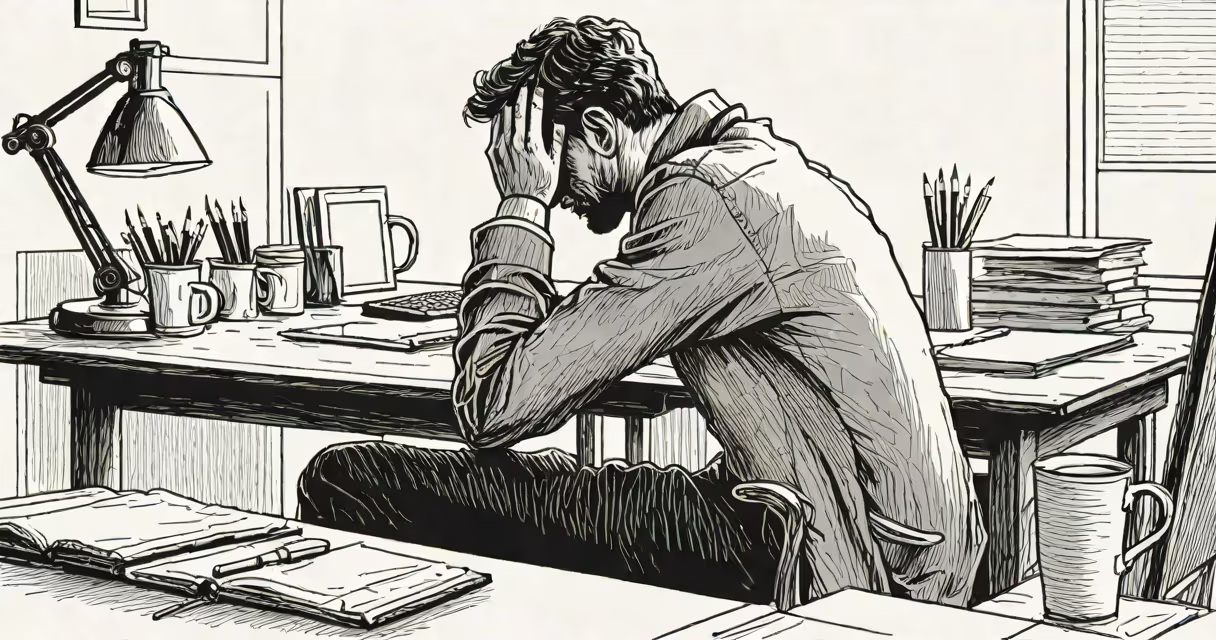
Feeling persistently fatigued despite adequate sleep may indicate an underlying medical condition, lifestyle imbalance, or nutritional deficiency. Chronic tiredness is not normal and often signals a need for evaluation beyond simple rest.
Tiredness is not a single symptom-it's a signal from your body that something is out of balance. While occasional fatigue happens to everyone, constant exhaustion that doesn't improve with rest points to deeper issues. The National Sleep Foundation notes that consistent daytime sleepiness affects 20% of adults, often linked to undiagnosed sleep apnea or circadian rhythm disruptions.
When you feel tired all the time, your body is communicating that energy regulation is failing. This can stem from physical, psychological, or metabolic causes. Identifying the root issue requires attention to patterns: how long the fatigue has lasted, whether it worsens at certain times of day, and what activities trigger or relieve it.
Your body uses energy through cellular respiration, primarily powered by mitochondria in your cells. When mitochondrial function declines due to stress, poor nutrition, or illness, ATP production drops. Less ATP means less energy for daily tasks-even basic movements feel effortful.
Neurotransmitters like dopamine and serotonin regulate alertness. Low levels disrupt wakefulness cycles. For example, low serotonin is tied to both depression and fatigue. A 2021 study in *Sleep Medicine* found that people with low morning cortisol (a hormone that promotes wakefulness) reported higher fatigue scores, even after sleeping 7-9 hours.
Even mild dehydration reduces blood volume, lowering oxygen delivery to the brain. A 2018 study showed that losing just 1.5% of body water reduced cognitive performance and increased fatigue perception. This means drinking enough fluids isn't just hydration-it's energy maintenance.
Several conditions frequently underlie unexplained fatigue. They range from treatable deficiencies to chronic diseases requiring specialist care.
| Condition | Key Signs | Prevalence |
|---|---|---|
| Sleep Apnea | Loud snoring, gasping at night, morning headaches | Affects ~20 million U.S. adults (American Academy of Sleep Medicine) |
| Iron Deficiency Anemia | Pale skin, cold hands, brittle nails, shortness of breath | 1 in 5 women of childbearing age (CDC) |
| Hypothyroidism | Weight gain, dry skin, constipation, slowed heart rate | 1 in 50 people in the U.S. (Endocrine Society) |
| Chronic Fatigue Syndrome (CFS) | Post-exertional malaise lasting more than 24 hours, unrefreshing sleep | Approximately 200,000 cases in the U.S. (NIH) |
One overlooked cause is medication side effects. Antihistamines, blood pressure drugs, and antidepressants often list fatigue as a known reaction. If your tiredness began after starting a new prescription, discuss alternatives with your doctor.
Another subtle factor is circadian misalignment. Working night shifts or using screens late at night suppresses melatonin, delaying sleep onset and reducing deep sleep quality. Even if you sleep 8 hours, disrupted sleep architecture leads to poor recovery.
Many assume fatigue is simply "laziness" or a sign of weak willpower. That view ignores biology. Fatigue is not a moral failing-it's a physiological state. Labeling it as such delays diagnosis and treatment.
Some believe "just getting more sleep" fixes everything. But oversleeping-more than 9 hours per night-is linked to higher risk of cardiovascular disease and diabetes, according to a 2022 meta-analysis in *The Lancet*. Sleep duration matters, but so does quality and timing.
Another myth: fatigue only comes from lack of sleep. In reality, over 60% of people with chronic fatigue report sleeping 7-9 hours nightly. The issue lies in sleep architecture-not quantity. Deep, slow-wave sleep is essential for tissue repair and memory consolidation. Without it, you wake up drained.
Sarah, a 34-year-old teacher, felt exhausted every day. She slept 8 hours but woke up feeling worse. Her doctor ran blood tests and found her ferritin level was 12 ng/mL-well below the optimal range of 30-100. Iron stores were critically low. She had no symptoms of anemia, but fatigue was the primary indicator.
After starting iron supplements and increasing dietary iron intake (lean beef, spinach, lentils), her energy returned within six weeks. Blood work confirmed her ferritin rose to 75. She now sleeps soundly and feels alert throughout the day.
This case shows that fatigue can exist without classic symptoms. It's not always visible. Testing is necessary.
If tiredness lasts longer than two weeks despite improved sleep habits, consult a healthcare provider. Focus on ruling out treatable conditions first.
Look for red flags: unexplained weight loss, persistent fever, numbness, or confusion. These suggest systemic illness and require prompt evaluation.
For those experiencing emotional exhaustion alongside physical fatigue, exploring mental health factors may reveal anxiety or burnout as contributors. Emotional fatigue often mimics physical exhaustion but responds differently to treatment.
Understanding why you're tired so much begins with recognizing that fatigue is not a standalone issue-it's a symptom. Addressing it requires a systematic approach: track patterns, rule out medical causes, and consider lifestyle adjustments. You don't have to live in exhaustion.