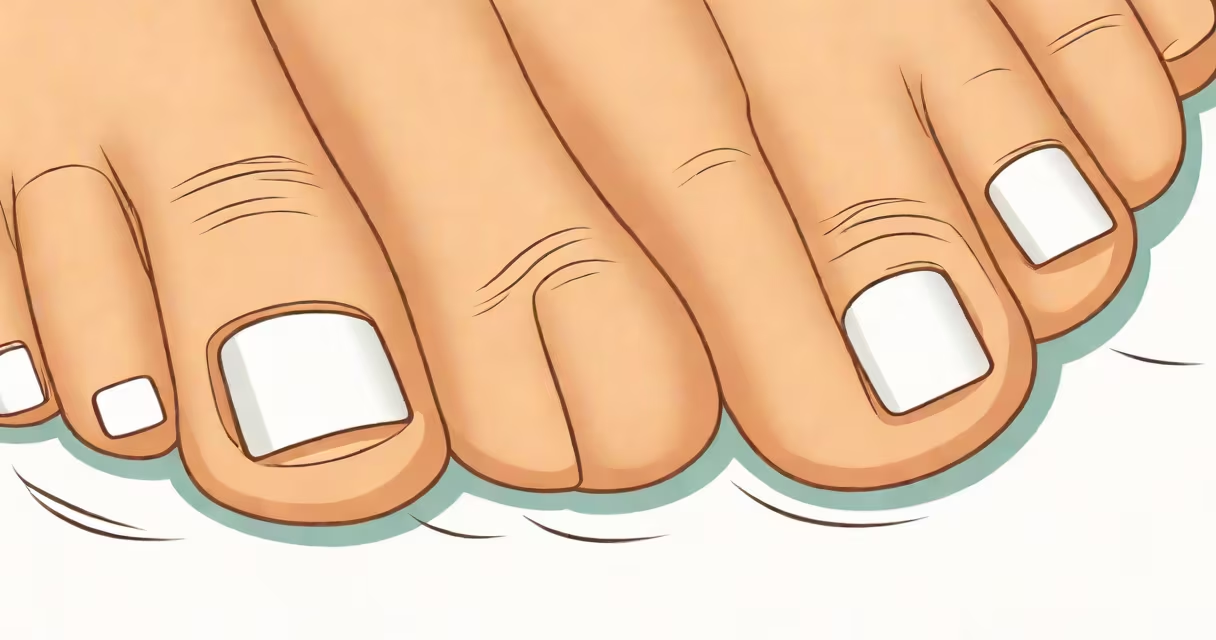
Toenails turn white due to fungal infections, physical injury, or underlying health issues such as liver disease or nutritional deficiencies. This change often appears as a uniform whitening across the nail plate or in patches.
White toenails typically result from abnormal buildup of keratin beneath the nail surface or from the presence of fungi that alter pigment. The condition may affect one or multiple toes and often progresses slowly. A common cause is onychomycosis, a fungal infection that invades the nail bed and matrix, leading to thickening, crumbling, and discoloration.
The American Academy of Dermatology notes that fungal infections account for up to 50% of nail abnormalities in adults. These infections thrive in warm, moist environments-like inside shoes-and are more likely in people with weakened immune systems, diabetes, or circulatory problems. Early diagnosis improves treatment success rates.
When fungi invade the nail, they disrupt normal keratin production. As the nail grows, the infected layer appears opaque and chalky white. In some cases, the nail lifts slightly from the nail bed-a condition called onycholysis-exposing the white tissue underneath.
Trauma to the toe, such as stubbing or dropping something heavy, can also cause white discoloration. A direct blow damages blood vessels under the nail, leading to subungual hematoma. Over time, as the nail grows out, the area may appear white due to trapped fluid or dead tissue. This is often mistaken for fungal infection but resolves as the nail regrows.
Nutritional imbalances contribute less frequently. Deficiencies in zinc, iron, or biotin have been linked to brittle nails and discoloration, though white nails specifically are rare. Liver disease, particularly cirrhosis, can lead to Terry's nails-where most of the nail turns white with a narrow pink band at the tip. This pattern is distinct and requires medical evaluation.
Not all white toenails look the same. The appearance helps differentiate between causes:
| Pattern | Common Cause | Key Features |
|---|---|---|
| Uniform whitening | Fungal infection (onychomycosis) | Nail thickens, crumbles at edges; may smell; affects multiple toes |
| Patches or spots | Trauma or fungal infection | Localized areas of white; may follow injury timeline |
| Complete white nail with pink tip | Terry's nails (liver disease) | Entire nail except tip is white; associated with chronic illness |
| White lines across nail | Mees' lines (toxic exposure) | Horizontal white bands; linked to arsenic, chemotherapy, or heart failure |
One non-obvious distinction: fungal infections rarely cause isolated white spots unless secondary trauma occurs. True fungal infection usually begins at the nail edge and spreads inward. If white patches appear suddenly after a minor injury, consider trauma rather than infection.
If white toenails persist beyond six weeks, worsen, or are accompanied by pain, swelling, or foul odor, consult a healthcare provider. A dermatologist can confirm fungal infection through a nail clipping test or KOH microscopy, which detects fungal hyphae under a microscope.
I once treated a patient whose big toenail turned completely white after stepping on a rock during a hike. He assumed it was fungus and tried over-the-counter antifungal cream. After two months with no improvement, he returned. A sample showed no fungal growth-just debris and damaged tissue. The nail eventually grew out normally within nine months. This case highlights that self-diagnosis leads to unnecessary treatment.
For confirmed fungal infections, oral antifungals like terbinafine are effective in 70-80% of cases over 6-12 months. Topical treatments alone show lower success rates. Early intervention prevents permanent nail damage and reduces transmission risk.
Many assume white toenails always mean fungus. That's incorrect. Trauma, systemic diseases, and even certain medications can mimic fungal symptoms. For example, chemotherapy drugs may cause Mees' lines-horizontal white bands that grow out with the nail.
Another confusion: white spots on nails (leukonychia) are different from full white discoloration. Leukonychia appears as small, round white dots and is usually harmless, caused by minor trauma to the nail matrix. It's not related to infection or systemic illness.
People also mistake early-stage fungal infection for dryness or dirt. Fungal nails feel rough, brittle, and may crumble. They don't respond to moisturizers. If home remedies fail, see a doctor.
Keep feet dry and wear breathable footwear. Change socks daily and avoid walking barefoot in public showers or locker rooms. Trim nails straight across to prevent ingrown toenails and reduce fungal entry points.
If you suspect infection, avoid sharing nail clippers or shoes. Fungi survive on surfaces for months. Regular cleaning of shoes and floors with diluted bleach (1:10 ratio) reduces environmental load.
White toenails are not a cosmetic issue alone-they can reflect internal health changes. Early recognition and accurate diagnosis prevent complications and improve outcomes.