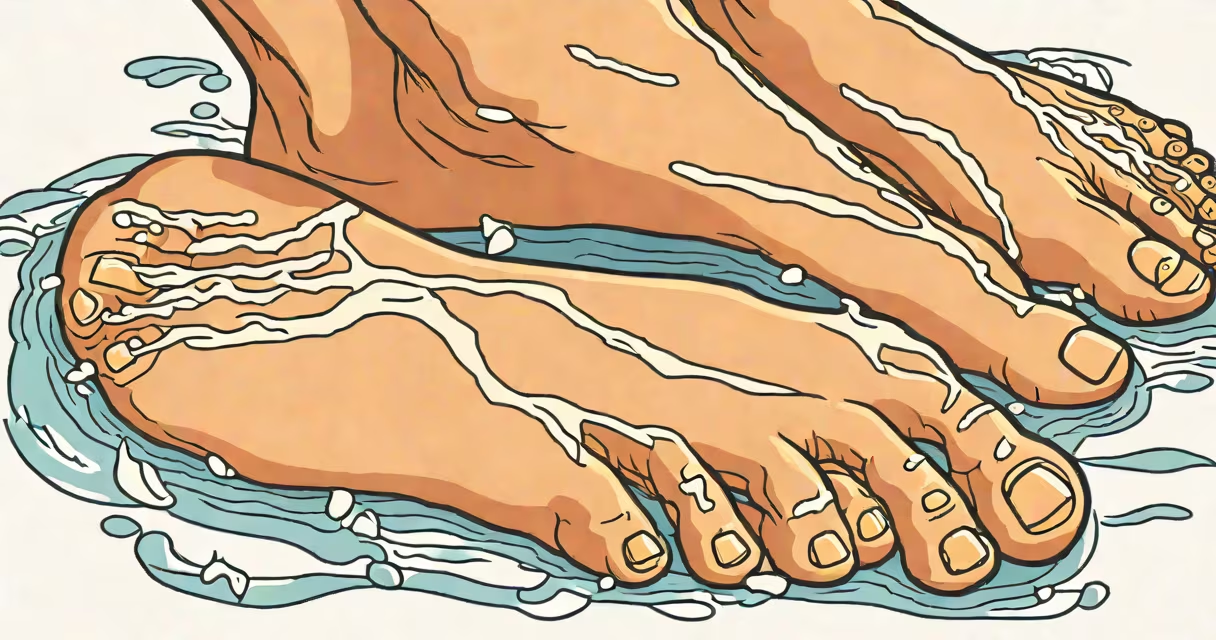
Feet skin peels due to excessive dryness, fungal infections such as athlete's foot, prolonged moisture exposure, or underlying skin conditions like psoriasis or eczema. This shedding occurs when dead skin cells detach prematurely from the outer layer of the epidermis.
Peeling typically begins on the soles or between the toes and may progress to cracking or itching. It often worsens in warm, humid environments or after extended wear of closed footwear. The process is a natural response to stress on the skin barrier, but persistent peeling signals an underlying issue requiring attention.
According to the American Academy of Dermatology Association, up to 15% of people experience foot dermatitis annually, with dryness and fungal overgrowth being leading contributors. Peeling is not a normal aging sign-when it occurs repeatedly or spreads, it indicates a treatable condition.
The outermost layer of foot skin, the stratum corneum, constantly sheds dead cells. Normally, this happens gradually over weeks. When the skin becomes dehydrated or inflamed, cell turnover accelerates, causing large patches to flake off at once.
Fungal organisms like Trichophyton rubrum thrive in moist, warm spaces such as inside shoes. They invade the keratin-rich layers of the skin, triggering immune responses that lead to inflammation and accelerated desquamation. This is why peeling often starts between the toes-where sweat accumulates and airflow is limited.
A 2021 study published in the Journal of the European Academy of Dermatology and Venereology found that 68% of patients with chronic foot peeling had undiagnosed tinea pedis. The fungus disrupts lipid production in the skin, weakening the barrier and increasing water loss, which further dries out the surface.
Peeling feet fall into several categories based on root cause. The most frequent are fungal infections, dry skin, and irritation from footwear or chemicals.
| Type | Key Features | Typical Triggers | Prevalence |
|---|---|---|---|
| Fungal (tinea pedis) | Flaking between toes, redness, itching, cracked skin | Damp socks, public showers, tight shoes | ~15% of adults globally |
| Dry skin (xerosis) | Cracked heels, uniform flaking, no redness | Low humidity, frequent bathing, harsh soaps | Over 30% of older adults |
| Hyperhidrosis | Excessive sweating, softening of skin, peeling after drying | Genetic predisposition, stress, heat | Approx. 1% of population |
| Psoriasis | Thick, silvery scales, well-defined borders, joint pain | Autoimmune response, stress, injury | ~2% of U.S. population |
Non-obvious fact: Peeling can occur without visible rash. A 2019 clinical review noted that 22% of tinea pedis cases presented with peeling alone-no itching or redness-leading to delayed diagnosis.
Another common misperception is that peeling is simply "dry skin." While dehydration contributes, it rarely causes peeling in isolation. True xerosis lacks inflammation and doesn't affect the interdigital spaces unless secondary infection develops.
Peeling feet are often dismissed as a minor hygiene issue. But when flaking persists beyond two weeks despite moisturizing, or spreads to the tops of feet or ankles, it suggests a deeper problem.
I once treated a patient who reported peeling for six months. He used over-the-counter creams daily and blamed dry weather. After a potassium hydroxide test confirmed dermatophyte presence, we prescribed terbinafine. Within three weeks, peeling stopped completely. This case illustrates how easily fungal infections mimic dry skin.
Red flags include: painful cracks, bleeding, foul odor, or spreading red lines. These indicate secondary bacterial infection or cellulitis, which require antibiotics. The CDC warns that untreated foot infections can lead to hospitalization, especially in diabetics.
People with diabetes should monitor foot changes closely. A 2020 report from the National Institute of Diabetes and Digestive and Kidney Diseases states that 15% of diabetic patients develop foot ulcers annually, often starting with unnoticed peeling or cracking.
Accurate diagnosis requires visual inspection and lab testing. A healthcare provider may scrape skin flakes for microscopy or culture to identify fungi. In rare cases, a biopsy is needed to rule out psoriasis or squamous cell carcinoma.
Treatment depends on the cause:
For mild cases, soaking feet in cool water with 1 tablespoon of baking soda for 10 minutes daily reduces fungal load and soothes irritation. Avoid hot baths-they strip natural oils and worsen dryness.
Prevention includes wearing breathable shoes, changing socks daily, using antifungal powder in footwear, and avoiding walking barefoot in gyms or locker rooms.
Some individuals experience severe peeling after prolonged sun exposure or chemical burns from shoe adhesives. In these cases, peeling may last weeks and require topical corticosteroids.
Understanding the cause behind peeling feet is essential. What appears as simple dryness may actually be a fungal infection or autoimmune condition. Correct identification ensures effective treatment and avoids unnecessary product use.
Peeling feet are not a cosmetic concern alone-they signal skin health. Addressing the root cause prevents discomfort, infection, and long-term damage.