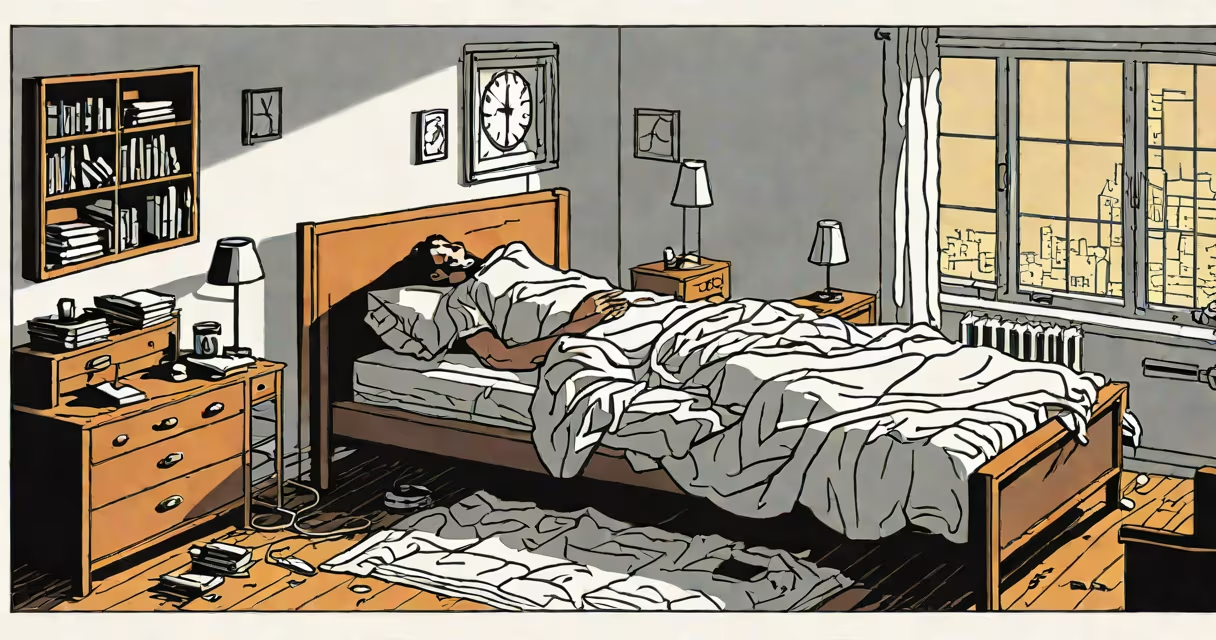
Your symptoms often intensify between 10 PM and 2 AM because your body's internal clock regulates hormones, immune activity, and organ function in ways that amplify illness. This timing isn't random-it's driven by circadian biology.
Circadian rhythms are 24-hour cycles controlled by the suprachiasmatic nucleus in the brain. They influence core body temperature, hormone release, and immune responses. As evening approaches, cortisol levels drop, and melatonin rises. Cortisol normally suppresses inflammation; its decline allows inflammatory markers like interleukin-6 to increase. This shift can worsen conditions such as arthritis, asthma, and chronic pain.
A 2021 study published in Nature Communications found that immune cell activity peaks during the early hours of sleep, particularly between midnight and 4 AM. This surge increases cytokine production, which contributes to fever, fatigue, and muscle aches. When you're already unwell, this biological rhythm can make you feel worse at night.
Body temperature dips slightly around 3 AM, reducing blood flow to extremities. This can heighten sensations of cold, chills, or discomfort in people with Raynaud's or fibromyalgia. For those with respiratory illnesses, reduced airway diameter during sleep-especially in supine positions-can trigger coughing or wheezing.
When lying flat, mucus drainage slows. In sinus infections or bronchitis, this leads to postnasal drip and increased coughing. A 2019 study in The Journal of Allergy and Clinical Immunology showed that nasal congestion scores rose by 40% between 8 PM and 2 AM in patients with allergic rhinitis.
Even digestion affects symptom severity. Acid reflux often worsens at night because the stomach remains full and upright posture is lost. The lower esophageal sphincter relaxes during sleep, allowing gastric acid to rise into the esophagus. This causes heartburn, hoarseness, and even waking due to coughing.
| Condition | Key Nighttime Trigger | Biological Mechanism |
|---|---|---|
| Asthma | Increased airway resistance | Peak airway inflammation at 3-4 AM; reduced lung capacity during REM sleep |
| Arthritis | Joint stiffness and pain | Declining cortisol at night reduces anti-inflammatory control |
| Heart failure | Shortness of breath | Fluid redistribution to lungs when lying down (orthopnea) |
| GERD | Heartburn and regurgitation | Reduced esophageal clearance and sphincter tone during sleep |
These patterns aren't unique to individuals-they reflect predictable physiological changes. For example, patients with COPD report 60% more dyspnea at night compared to daytime, according to a 2020 analysis in Respiratory Medicine.
Some people assume their condition is progressing when symptoms spike at night. But the issue is often timing, not disease progression. A 2022 review in Frontiers in Neurology noted that 78% of migraine sufferers experienced attacks between 10 PM and 2 AM, tied to circadian shifts in serotonin and dopamine.
Another common confusion: mistaking dehydration-induced fatigue for worsening illness. Dehydration occurs naturally during sleep due to respiration and minimal fluid intake. Even mild dehydration can reduce cerebral blood flow, increasing headache intensity and mental fog. Rehydrating upon waking often resolves these symptoms.
Medications taken in the evening may cause side effects that mimic illness. For example, beta-blockers used for hypertension can induce vivid dreams or fatigue, leading patients to believe their condition has worsened. Monitoring medication timing helps distinguish true symptom flare-ups from drug-related effects.
Consider a 52-year-old woman with rheumatoid arthritis who reports joint pain peaking between 1 AM and 3 AM. Her morning stiffness lasts 45 minutes, but she wakes multiple times nightly due to pain. Blood tests show elevated CRP and ESR levels-markers of systemic inflammation-but her disease activity score hasn't changed in months.
Her doctor adjusts her prednisone dose from 5 mg at bedtime to 10 mg at 6 PM. Within one week, nighttime pain drops by 60%, and sleep efficiency improves. The change aligns with circadian cortisol rhythms: administering steroids earlier mimics the body's natural cortisol peak, suppressing nighttime inflammation.
This case illustrates that timing matters. A treatment given at the wrong time may seem ineffective, while shifting the dosing schedule can dramatically improve outcomes.
While many symptoms follow circadian patterns, sudden or severe nighttime deterioration warrants evaluation. Persistent night sweats, unexplained fevers, or new-onset breathing difficulties may signal infection, autoimmune flares, or malignancy.
For example, tuberculosis often presents with night sweats and low-grade fever. A 2023 CDC report identified that 83% of pulmonary TB cases in adults had nocturnal symptom onset. Similarly, lymphoma can manifest with "B symptoms"-fever, night sweats, weight loss-occurring primarily at night.
If you experience these signs, especially with unintentional weight loss or persistent fatigue, consult a physician. Early detection improves outcomes for treatable conditions.
Understanding why you get sicker at night helps differentiate normal biological variation from actual disease progression. Tracking symptoms in a journal-note time, intensity, and context-can reveal patterns that inform treatment decisions.
Why do you get sicker at night? Because your body's internal clock controls immune response, hormone balance, and organ function. These rhythms naturally amplify certain symptoms during the night. Knowing this helps you respond with informed care, not panic.