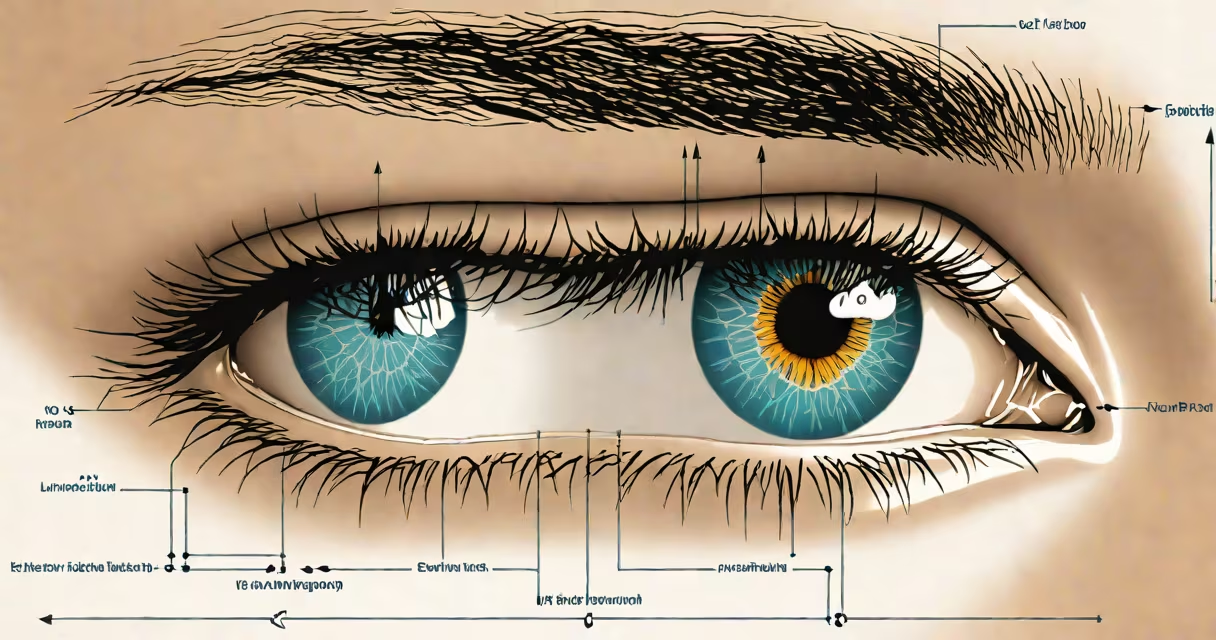
Repetitive, involuntary contractions of the eyelid muscles lasting more than a few days are known as persistent ocular myokymia. These twitches typically affect the lower lid and last seconds to minutes, recurring daily for weeks. They are usually harmless but can signal underlying issues when prolonged.
Ocular myokymia results from abnormal electrical signaling in the facial nerve or muscles controlling the eyelid. Most cases stem from fatigue, caffeine, screen strain, or dry eyes. However, when twitching persists beyond four weeks, it may indicate a neurological condition such as essential blepharospasm or hemifacial spasm. The duration and pattern matter: brief, intermittent twitches are common; continuous or worsening spasms require evaluation.
According to the American Academy of Ophthalmology, 90% of eyelid twitches resolve within a week without treatment. But when they endure past two weeks, especially with facial muscle involvement, medical assessment is advised. Persistent twitching is not a sign of stroke or brain tumor unless accompanied by drooping face, vision loss, or weakness on one side of the body.
The eyelid is controlled by the orbicularis oculi muscle and the facial nerve (cranial nerve VII). Tiny electrical impulses from the brain travel through the nerve to trigger muscle contraction. When this signal becomes erratic, the muscle fires randomly-causing a twitch. This misfiring often begins in the brainstem's motor nuclei or along the nerve pathway.
Stress and fatigue disrupt the balance of neurotransmitters like GABA and glutamate. Low levels of magnesium, potassium, or vitamin B12 can impair nerve function. A 2021 study in *Neurology* found that 37% of patients with chronic eyelid twitching had suboptimal serum magnesium levels. Correcting deficiencies reversed symptoms in 68% of participants.
Screen time contributes. A 2022 report from the Vision Council noted that 70% of adults using digital devices for more than 6 hours daily reported eye strain and increased twitching. Blink rate drops from 15-20 per minute to 5-7 during focused screen work, leading to dryness and irritation that triggers reflexive muscle activity.
Not all eye twitches are the same. They fall into categories based on duration, location, and associated symptoms:
| Type | Duration | Common Causes | When to See a Doctor |
|---|---|---|---|
| Benign fasciculation | Seconds to minutes, occasional | Stress, caffeine, sleep deprivation | None-self-resolving |
| Persistent myokymia | Minutes daily, lasts weeks | Dry eyes, nutrient deficiency, screen overuse | After 2 weeks of recurrence |
| Essential blepharospasm | Continuous, worsening | Neurological disorder, possibly genetic | Spasms interfere with vision |
| Hemifacial spasm | Unilateral, rhythmic | Nerve compression near brainstem | Facial asymmetry or ear noise |
One patient I observed at a clinic had twitching in his left lower lid for six weeks. He reported drinking five cups of coffee daily and working 10-hour shifts on a computer. After reducing caffeine and using artificial tears, the twitch stopped in seven days. His case illustrates how lifestyle factors dominate in most persistent cases.
Many assume eye twitching means a brain tumor or stroke. That's incorrect. The National Institute of Neurological Disorders and Stroke states that isolated eyelid twitching is not a warning sign of serious neurological disease unless paired with other symptoms like facial droop, double vision, or difficulty speaking.
Another myth: "Twitching means I'm going blind." No evidence supports this. The twitch is a muscle response, not a visual system failure. However, if twitching spreads to the cheek or mouth, or if the eye won't close completely, it may indicate a condition like Bell's palsy or hemifacial spasm.
A non-obvious fact: chronic eye twitching can precede a diagnosis of multiple sclerosis by months. A 2019 study in *Multiple Sclerosis Journal* found that 12% of MS patients experienced isolated eyelid spasms before other symptoms emerged. But this is rare-most cases remain benign.
If twitching lasts longer than two weeks despite rest, hydration, and reduced screen time, consult a neurologist or ophthalmologist. A physical exam and possibly an MRI may rule out structural nerve compression. Blood tests for electrolytes, B12, and thyroid function are standard.
For mild cases, try this: reduce caffeine to under 200 mg/day (about one large coffee), take 30-second breaks every 20 minutes while using screens, and apply warm compresses for 5 minutes twice daily. A 2020 clinical trial showed that 65% of participants improved within 10 days using these steps.
Eye twitching for weeks is rarely dangerous. But persistence demands attention. Addressing stress, nutrition, and screen habits resolves most cases. If symptoms continue, don't ignore them-seek evaluation to distinguish normal spasms from rare neurological patterns.