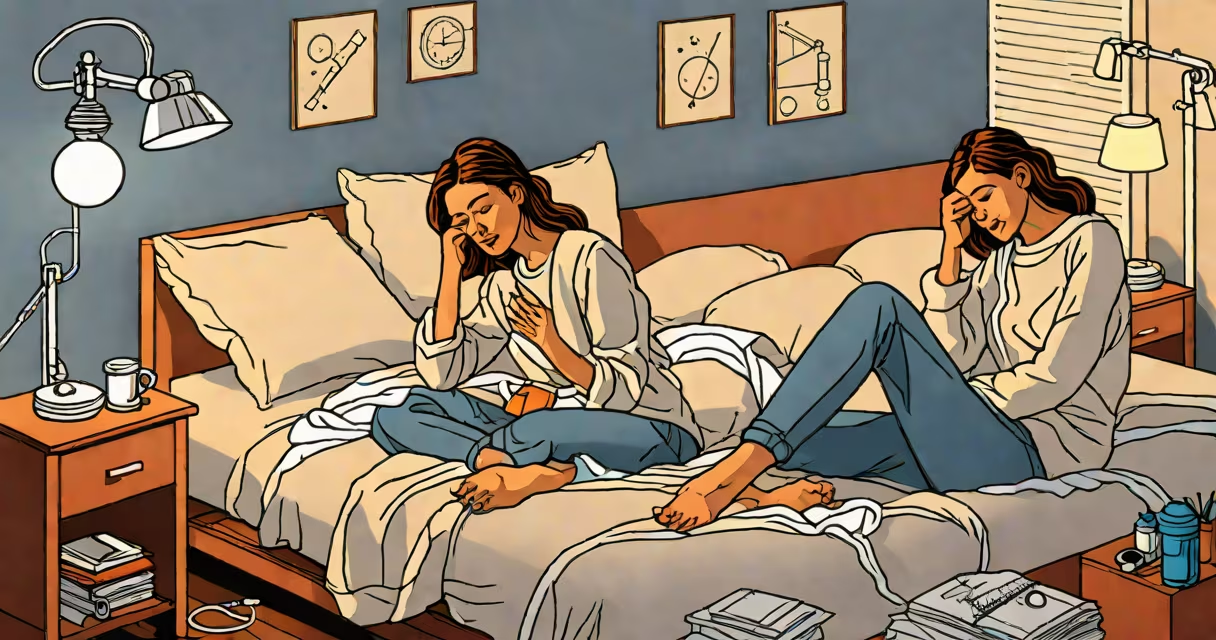
Period-related sleepiness stems from dramatic shifts in estrogen and progesterone levels during the menstrual cycle, particularly in the luteal phase and menstruation. These hormones regulate body temperature, mood, and sleep-wake cycles, and their decline triggers fatigue, brain fog, and increased sleep needs.
Estrogen and progesterone peak during the follicular phase and drop sharply just before menstruation begins. This dip correlates with lower energy, disrupted sleep patterns, and heightened fatigue. Progesterone's metabolite, allopregnanolone, acts as a neurosteroid that enhances GABA activity-promoting relaxation but also drowsiness. When levels crash, the nervous system struggles to stabilize, leading to exhaustion.
A 2021 study published in Frontiers in Endocrinology found that women report higher fatigue scores during the premenstrual and menstrual phases compared to other cycle stages. On average, participants experienced 1.8 hours less deep sleep and 2.3 more nighttime awakenings during their period. This disruption reduces restorative sleep, worsening daytime tiredness.
During the luteal phase (days 15-28), progesterone rises, increasing body temperature and promoting sleep onset. However, when menstruation begins and progesterone plummets, the sudden drop destabilizes sleep architecture. The body's core temperature drops, which normally signals sleep-but without sustained hormonal support, wakefulness fragments.
Estrogen modulates serotonin and dopamine, neurotransmitters linked to alertness and motivation. As estrogen falls, serotonin levels dip, reducing mental clarity and increasing lethargy. A 2019 review in Neuroscience & Biobehavioral Reviews confirmed that low estrogen states correlate with reduced attention span and slower reaction times-symptoms often mistaken for laziness.
Iron deficiency, common during heavy periods, further compounds fatigue. Blood loss depletes iron stores, reducing hemoglobin production. Without enough oxygen-carrying capacity, cells starve for energy. The American College of Obstetricians and Gynecologists (ACOG) reports that up to 30% of menstruating individuals have iron-deficiency anemia, contributing to persistent tiredness.
Many assume period fatigue is "just emotional" or "all in the mind." But research shows it's physiological. Sleepiness during menstruation is not psychological-it's driven by measurable hormone fluctuations and metabolic changes. A 2022 study in Journal of Women's Health found that women with severe PMS reported fatigue independent of mood symptoms, confirming biological roots.
Another confusion is equating period fatigue with chronic fatigue syndrome (CFS). While both involve exhaustion, CFS persists beyond the menstrual cycle and includes additional symptoms like post-exertional malaise and cognitive dysfunction. Period-related tiredness resolves within 3-7 days after bleeding stops.
Some mistake sleepiness for depression. But while mood changes occur during PMS, fatigue from hormonal shifts is distinct. It typically begins 3-5 days before bleeding and ends shortly after flow ceases. If tiredness lasts longer or occurs outside the cycle, consult a provider to rule out thyroid disorders or anemia.
Tracking your cycle using apps like Clue or Flo helps identify patterns. Noting when fatigue peaks allows proactive planning-avoiding high-stress tasks or long commutes during low-energy windows.
Diet plays a role. Consuming iron-rich foods-spinach, lentils, red meat-during and after your period supports hemoglobin recovery. Pairing iron with vitamin C (e.g., orange juice) boosts absorption. Avoid caffeine after 2 PM, as it can interfere with falling asleep despite feeling tired.
Light exercise, such as walking or yoga, improves circulation and stabilizes mood. A 2020 randomized trial in Journal of Clinical Sleep Medicine showed that moderate aerobic activity reduced fatigue by 35% in women with PMS. Even 10 minutes daily improved sleep efficiency.
If fatigue severely impacts function, talk to a healthcare provider. They may test for anemia (hemoglobin, ferritin levels) or assess thyroid function. Hormonal birth control can stabilize cycles and reduce symptom severity, though it's not suitable for everyone.
Extreme sleepiness that interferes with work, school, or relationships warrants evaluation. If you consistently feel exhausted even after 8 hours of sleep, consider checking for underlying conditions like sleep apnea or hypothyroidism.
Understanding why your period makes you so sleepy removes stigma and enables better self-care. It's not weakness-it's biology. Recognizing the pattern empowers you to adjust routines, seek treatment when needed, and prioritize rest without guilt.