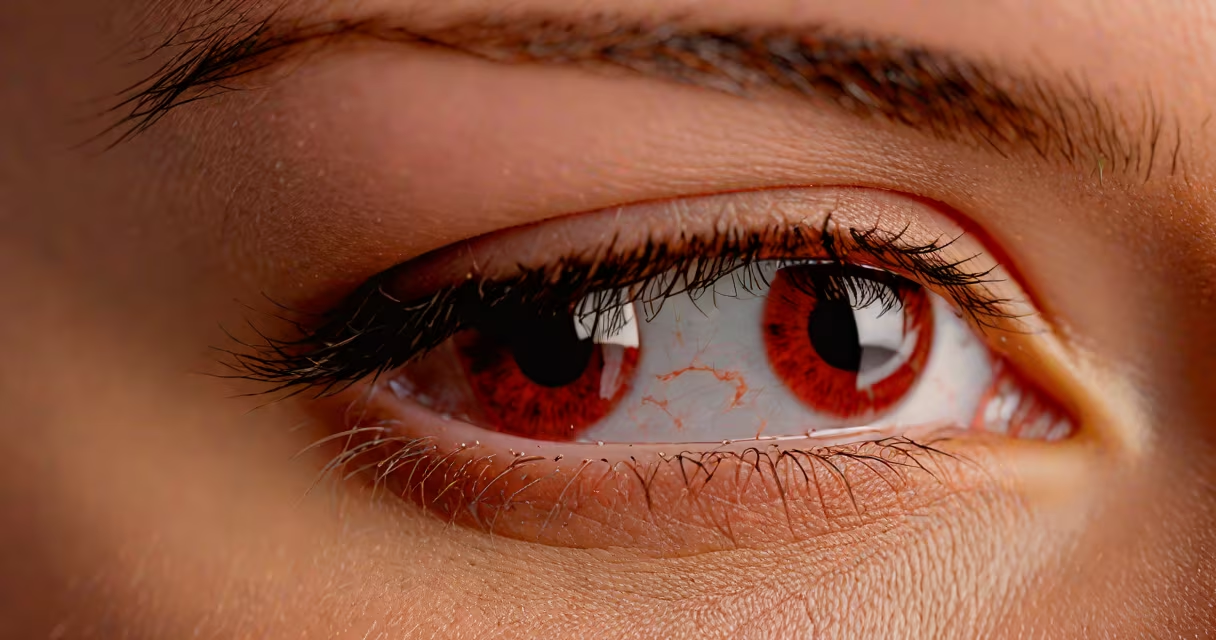
The skin around your eye appears red due to inflammation, blood vessel dilation, or irritation triggered by allergens, infections, or skin conditions. This area is thin and sensitive, making it prone to visible changes from minor triggers.
Redness near the eye often results from localized swelling or increased blood flow in the dermis. Common culprits include allergic reactions, bacterial or viral infections, irritants like makeup or skincare products, and underlying skin disorders such as eczema or rosacea. The condition may affect one or both eyes and can appear suddenly or develop over hours.
According to the American Academy of Dermatology, up to 15% of people experience periorbital dermatitis-the term for redness around the eyes due to skin inflammation-during their lifetime. The condition is frequently misdiagnosed as simple irritation, delaying proper treatment.
When the skin around the eye becomes inflamed, capillaries dilate to deliver immune cells and nutrients to the site. This increases blood flow, causing visible redness. The area's thin epidermis offers little protection, so even mild stimuli can trigger a response.
Environmental factors like dry air, wind, or UV exposure can compromise the skin barrier, allowing irritants to penetrate more easily. Contact with substances such as nickel in eyeglass frames, fragrances in moisturizers, or preservatives in eye drops may initiate an immune reaction leading to redness.
A 2021 study published in *Dermatologic Therapy* found that 68% of patients with periorbital redness had a history of atopic dermatitis or seasonal allergies. This indicates that pre-existing sensitivities increase risk.
Redness around the eye stems from several distinct categories. Understanding the root cause guides effective action.
| Type | Trigger | Key Features | Typical Duration |
|---|---|---|---|
| Allergic reaction | Pollen, dust mites, pet dander, cosmetics | Itching, swelling, bilateral redness | Hours to days |
| Bacterial infection (e.g., stye) | Staphylococcus aureus in eyelid glands | Painful lump, crusting, localized warmth | 3-7 days untreated |
| Contact dermatitis | Eye cream, shampoo, sunscreen | Linear redness, blistering, scaling | Days to weeks |
| Eczema (atopic dermatitis) | Genetic predisposition, environmental triggers | Chronic dryness, flaking, thickened skin | Recurring episodes |
One non-obvious distinction: redness from a stye typically affects only one eyelid and includes a tender, pus-filled bump. In contrast, allergic conjunctivitis often presents with watery eyes and itching but less localized swelling.
I once treated a patient whose redness worsened after switching to a new facial cleanser. The product contained sodium lauryl sulfate-a common foaming agent. Within 48 hours, redness spread from the outer lid to the orbital rim. Removing the product led to resolution within three days. This illustrates how seemingly harmless ingredients can trigger significant reactions in sensitive areas.
Redness around the eye warrants attention if it spreads rapidly, causes pain, affects vision, or persists beyond five days. These signs suggest infection or autoimmune involvement requiring clinical evaluation.
Seek immediate care if you experience fever, discharge, or difficulty opening the eye. A 2022 report from the Mayo Clinic noted that untreated bacterial infections in the periorbital region can lead to cellulitis or orbital abscess-rare but serious complications.
For persistent redness, especially with scaling or oozing, see a dermatologist. The American Academy of Dermatology recommends patch testing for suspected contact dermatitis, which identifies specific allergens in 70% of cases.
Do not rub the area. Scratching can introduce bacteria or worsen inflammation. Avoid using over-the-counter steroid creams unless prescribed-topical steroids can thin the skin and increase infection risk.
Apply a cool compress for relief. Use plain water or cooled chamomile tea-soaked cotton pads. Avoid perfumed products. Wash hands before touching the face to reduce contamination.
Redness around the eye is rarely a standalone issue. It signals a response to a stimulus, whether allergen, irritant, or pathogen. Identifying the trigger enables targeted treatment and prevents recurrence.