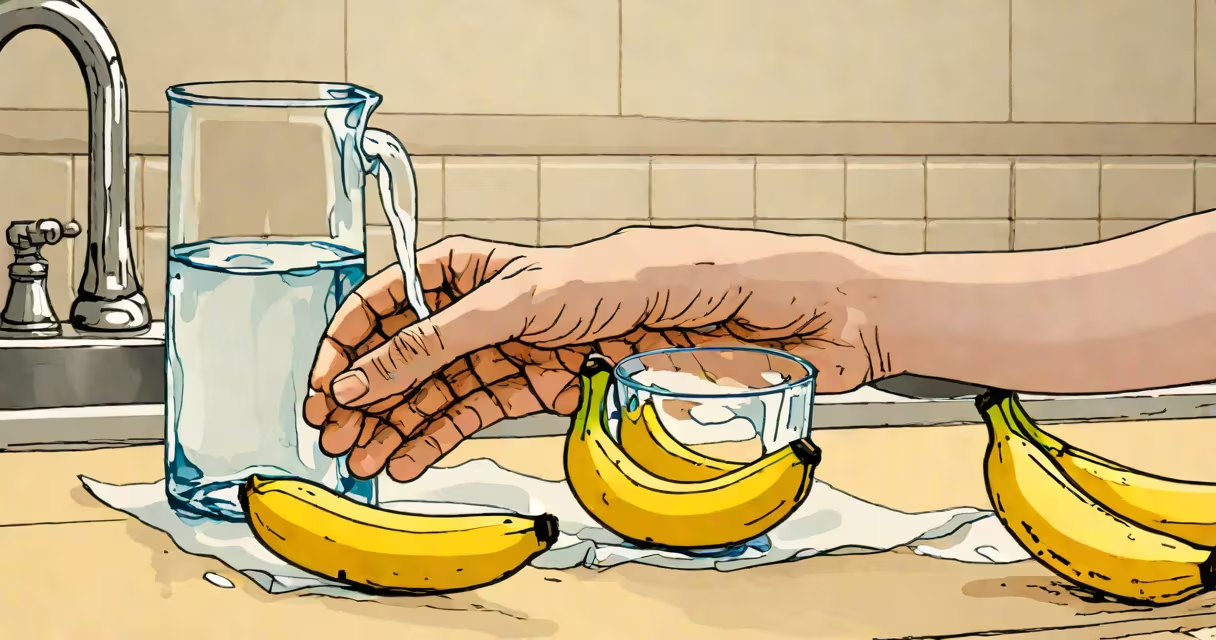
Constipation in 2 year olds typically results from low dietary fiber, insufficient fluid intake, or disrupted bowel habits. It manifests as infrequent stools (fewer than three per week), hard or pellet-like stools, straining, or abdominal discomfort. Addressing it requires adjusting diet, increasing fluids, and establishing consistent bathroom routines.
Children this age are developing independence, which can lead to withholding behavior during toilet training. This delay allows stool to remain in the colon longer, absorbing more water and becoming harder. According to the American Academy of Pediatrics (AAP), functional constipation affects up to 10% of children under five, with most cases resolving through lifestyle adjustments rather than medication.
Fiber-rich foods are foundational. Whole grains, fruits like pears and prunes, vegetables such as peas and sweet potatoes, and legumes provide bulk and soften stool. A 2022 study in Pediatrics found that children consuming 15 grams of fiber daily had fewer constipation episodes than those below 10 grams.
When a 2 year old eats fiber-rich food, the undigested parts pass into the large intestine. There, bacteria ferment them, producing gas and softening stool. Water is drawn into the colon to maintain consistency. Without enough fiber, stool becomes dry and compacted.
Hydration plays a supporting role. Dehydration causes the colon to absorb more water from stool, making it harder to pass. The AAP recommends 4-6 cups of fluid daily for toddlers, including water, diluted fruit juice, and milk. Excess juice, however, can cause diarrhea due to sorbitol content-limit to 4 ounces per day.
Regular bathroom breaks after meals help train the bowels. The gastrocolic reflex triggers bowel movements after eating. Encouraging sitting on the toilet for 5-10 minutes after breakfast or dinner can build habit and reduce strain.
Simple dietary changes are effective in 70% of cases. Offer 1/2 cup of mashed prunes or 1/4 cup of prune juice daily-studies show they improve stool frequency within 2-3 days. Pears, applesauce, and kiwi also have natural laxative effects due to sorbitol and soluble fiber.
Physical activity increases gut motility. Toddlers who move frequently-crawling, walking, playing-experience better digestion. The CDC recommends at least 3 hours of active play daily for children aged 1-2.
If home strategies fail, pediatricians may recommend a mild osmotic laxative like polyethylene glycol (MiraLAX). A 2021 clinical trial published in JAMA Pediatrics showed MiraLAX improved bowel movement frequency in 85% of children with chronic constipation after four weeks, with minimal side effects.
Parents often assume constipation is normal or wait too long to act. Persistent constipation can lead to fecal impaction-where hardened stool blocks the rectum. This causes pain, overflow diarrhea, and may require medical intervention.
Using suppositories or enemas routinely is not recommended. They disrupt natural bowel function and can create dependency. The AAP advises against using them unless prescribed by a doctor.
Another error is restricting dairy. While milk can contribute to constipation in sensitive children, eliminating it entirely reduces calcium and vitamin D intake. Instead, balance dairy with high-fiber foods. One study found that children who consumed both milk and prunes had better stool outcomes than those who eliminated milk.
| Intervention | Dosage/Amount | Expected Effect | Source |
|---|---|---|---|
| Prune juice | 1/4 cup daily | Stool softening in 2-3 days | AAP, 2020 |
| Polyethylene glycol (MiraLAX) | 17g daily (1 capful) | Improved frequency in 4 weeks | JAMA Pediatrics, 2021 |
| Water intake | 4-6 cups/day | Prevents stool dehydration | CDC, 2023 |
Seek medical advice if constipation lasts more than two weeks despite dietary changes, if blood appears in stool, or if the child experiences abdominal swelling, vomiting, or weight loss. These signs may indicate underlying conditions like Hirschsprung's disease or hypothyroidism.
I once observed a 2 year old with chronic constipation who improved after switching from whole milk to fortified soy milk and adding pureed prunes. His mother reported regular bowel movements within five days. The pediatrician confirmed no structural issues and advised continuing the diet change.
Addressing constipation in 2 year olds begins with diet, hydration, and routine. Most cases resolve with simple, safe steps. When symptoms persist, consult a healthcare provider to rule out rare causes and prevent complications.