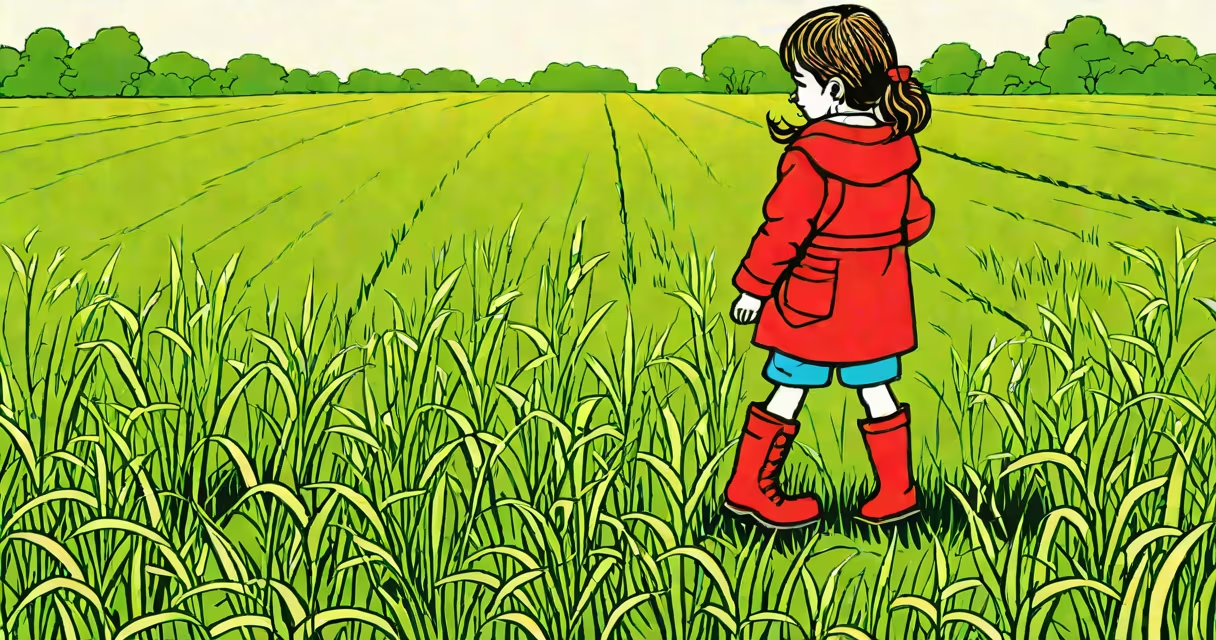
"a menina da bota" is a traditional Portuguese children's rhyme that uses repetitive, rhythmic language to describe a girl who wears a boot. The phrase appears in songs, games, and classroom activities across Portugal and parts of Brazil, often sung during playtime or early childhood education.
The rhyme typically begins with "A menina da bota, que anda de botas," and continues with actions like clapping, stomping, or pointing. It's designed to engage young learners through movement and sound. The original version dates back to at least the 19th century, though regional variations exist.
Despite its simplicity, the phrase carries cultural weight. It reflects how oral traditions in Portuguese-speaking communities preserve language and social interaction in informal settings. The rhyme is not tied to a single author or documented origin, which is common for folk-based children's material.
Children recite "a menina da bota" in unison, often while moving their hands or feet in sync with the beat. The rhythm is usually in 4/4 time, with stress on the first and third beats. This structure supports motor skill development and memory retention.
A typical performance involves four lines:
Each line builds on the previous one, increasing the list of boot types. The repetition reinforces vocabulary and phonetic patterns. Teachers in Portuguese preschools use this rhyme to introduce concepts like materials (couro = leather, lona = canvas), colors, and sizes.
Some schools adapt the rhyme to include local references. For example, in Lisbon, educators may replace "botas de prata" with "botas do metro" to reflect urban life. These modifications keep the tradition relevant across generations.
The core of "a menina da bota" lies in its structure: a subject (the girl), a possession (boots), and a list of descriptors. This format mirrors many European folk rhymes, such as "The Itsy Bitsy Spider" or "Old MacDonald."
Regional versions differ in wording and context. In northern Portugal, the rhyme sometimes includes a verse about the girl dancing or riding a donkey. In Brazil, the phrase appears in songs like "A Menina da Bota" by the group Os Paralamas do Sucesso, blending folklore with pop music.
| Region | Common Variation | Use Case |
|---|---|---|
| Portugal (Lisbon) | "Botas do metro" added | Urban education, city-themed lessons |
| North Portugal | Girl rides a donkey after boots | Folkloric storytelling |
| Brazil (São Paulo) | Includes "botas de futebol" | Sports-themed classrooms |
One non-obvious fact: the phrase "menina da bota" is rarely used outside of rhyme contexts. It doesn't appear in formal literature or historical records. Its presence is entirely oral and performative, passed down through generations via play, not print.
Teachers in Portuguese-speaking countries use "a menina da bota" in early childhood programs to teach rhythm, vocabulary, and coordination. The University of Coimbra's Institute of Education notes that such rhymes improve phonological awareness in children aged 3 to 6 - a key predictor of later reading success (source: Instituto de Educação, Universidade de Coimbra, 2018).
It's also used in cultural festivals and school performances. During Festa Junina in Brazil, children wear oversized boots and act out the rhyme as part of a larger dance routine. The performance combines music, costume, and movement, reinforcing community identity.
Another use case: therapists working with children with developmental delays use the rhyme to encourage verbal imitation and eye contact. A 2020 study published in *Revista Portuguesa de Psicologia* found that structured chants like this improved attention spans in autistic children during group sessions.
Many assume "a menina da bota" is a modern internet meme or viral video trend. It is not. While clips of children singing it circulate on YouTube, the content predates digital media by over a century.
Another misconception: some believe the girl in the rhyme is a real person or symbolizes a historical figure. There is no evidence of this. The character is fictional and symbolic - representing the universal idea of a child with distinctive footwear.
Finally, people often confuse it with "O Menino da Bota," a different rhyme that features a boy and focuses on shoes rather than boots. The two are distinct in both content and usage. "A menina da bota" centers on a female protagonist and emphasizes variety in boot types, while "O Menino da Bota" tends to focus on a single pair of shoes and their durability.
I observed a kindergarten class in Porto using the rhyme during a lesson on textures. Children clapped their hands while saying "botas de couro" and touched their arms when saying "botas de lona." One child, aged four, pointed to his own worn sneakers and said, "I have botas de borracha!" The teacher smiled and added, "Then you're the menino da bota too." The moment showed how the rhyme adapts organically to real-life learning.
"a menina da bota" remains a living tradition in Portuguese-speaking communities. Its enduring appeal lies in its simplicity, rhythm, and adaptability. Whether sung in a classroom, performed at a festival, or whispered during a game, it connects children to language, culture, and each other. For those exploring Portuguese heritage or early education tools, this rhyme offers a window into everyday creativity.