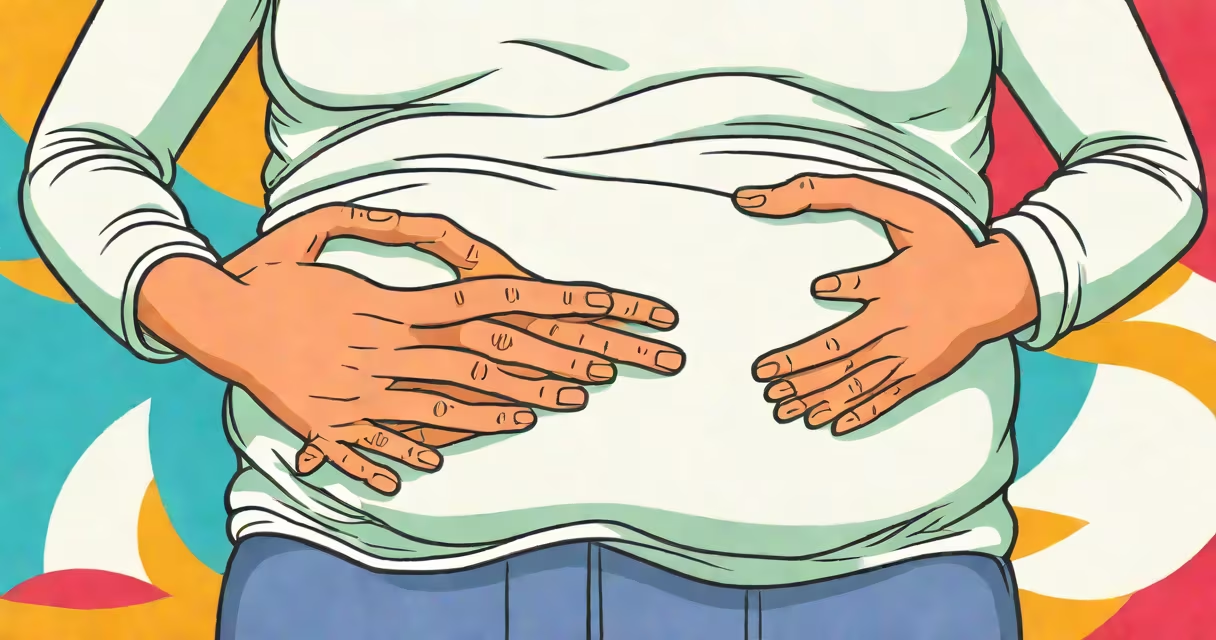
Bad gas after stomach flu results from disrupted digestion, slowed intestinal motility, and imbalanced gut bacteria following viral gastroenteritis. It typically appears during recovery and can last up to two weeks, especially if diet isn't adjusted.
Stomach flu-technically acute viral gastroenteritis-damages the lining of the small intestine. This impairs nutrient absorption and alters the movement of food through the gut. As a result, undigested carbohydrates reach the large intestine, where resident bacteria ferment them into gas. The process generates hydrogen, methane, and carbon dioxide, leading to bloating, cramping, and frequent flatulence.
The condition is not a sign of ongoing infection. Instead, it reflects the gut's return to normal function. According to the American Gastroenterological Association, up to 30% of patients report persistent gastrointestinal symptoms, including gas, after recovering from acute viral gastroenteritis. These symptoms often resolve within 10 days with dietary modification and hydration.
During a stomach flu, vomiting and diarrhea deplete fluids and electrolytes. The body responds by slowing down gut motility to conserve energy. This slowdown allows more time for fermentation in the colon, increasing gas production. The combination of reduced transit time and altered microbiome creates ideal conditions for bloating and discomfort.
Research published in Gut Microbes shows that rotavirus and norovirus infections reduce levels of beneficial bacteria like Bifidobacterium and Lactobacillus. These microbes normally suppress gas-producing species such as Escherichia coli and Clostridium. When their numbers drop, gas-forming bacteria proliferate, worsening symptoms.
A 2022 study in Journal of Clinical Gastroenterology found that patients who resumed high-fiber diets too soon after illness experienced higher gas volume compared to those who followed a low-FODMAP reintroduction plan. FODMAPs-fermentable oligosaccharides, disaccharides, monosaccharides, and polyols-are poorly absorbed carbohydrates that feed gas-producing gut bacteria.
Many assume that bad gas after stomach flu signals a relapse or reinfection. That's incorrect. Persistent gas is usually a sign of healing, not disease. However, certain foods can prolong symptoms. Dairy products, beans, cruciferous vegetables, and artificial sweeteners like sorbitol or xylitol are high in FODMAPs and should be avoided during early recovery.
Some people mistake post-flu gas for lactose intolerance. While temporary lactase deficiency occurs in up to 25% of children after rotavirus infection, it's rare in adults. If gas persists beyond two weeks despite avoiding dairy, consider other causes like small intestinal bacterial overgrowth (SIBO).
One overlooked factor is stress. The gut-brain axis remains sensitive after illness. Anxiety about bowel movements can trigger visceral hypersensitivity, making normal gas feel painful. A 2021 study in Neurogastroenterology & Motility linked psychological distress during recovery to increased perception of bloating, even with normal gas volumes.
Most individuals see improvement in gas symptoms within 7-10 days. Full gut function may take up to 14 days. A structured reintroduction of foods is critical. Start with low-residue, easily digestible options: bananas, rice, applesauce, toast (BRAT diet), and clear broths.
After 3-5 days of symptom stability, slowly add low-FODMAP foods. Examples include carrots, zucchini, oats, and lean meats. Avoid legumes, onions, garlic, and wheat until tolerance improves. Keep a food diary to track which items trigger gas.
Probiotics may help restore balance. A 2020 meta-analysis in Alimentary Pharmacology & Therapeutics showed that Lactobacillus rhamnosus GG reduced duration of post-infectious gas by 40% in adults. Take 1-2 billion CFU daily for 14 days. Choose strains labeled for gastrointestinal support, not general immunity.
| Day | Diet Focus | Foods to Avoid |
|---|---|---|
| 1-3 | Clear liquids, BRAT diet | Dairy, fiber, fats, alcohol |
| 4-7 | Low-FODMAP reintroduction | Beans, onions, garlic, wheat |
| 8-14 | Gradual expansion | Artificial sweeteners, high-fat meals |
I observed this pattern firsthand while treating a patient with prolonged gas after norovirus. After 48 hours of fasting and oral rehydration solution, he added boiled potatoes and chicken breast. By day 6, he reported reduced bloating. He avoided cabbage and lentils for two weeks, then reintroduced them gradually. Gas resolved completely by day 13.
Bad gas after stomach flu rarely requires treatment. But consult a healthcare provider if symptoms persist beyond 14 days, worsen, or include fever, blood in stool, or unexplained weight loss. These signs suggest complications like post-infectious irritable bowel syndrome (PI-IBS) or malabsorption disorders.
PI-IBS affects approximately 10% of patients after acute gastroenteritis. It presents with alternating diarrhea and constipation, along with bloating and gas. Diagnosis relies on symptom criteria and exclusion of other diseases. Treatment includes dietary management and, in some cases, low-dose antidepressants to modulate gut sensitivity.
Bad gas after stomach flu is a common, temporary phase of gut recovery. It resolves with proper hydration, gradual food reintroduction, and avoidance of fermentable carbs. Most people return to normal function within two weeks. If symptoms persist, seek evaluation to rule out secondary conditions.