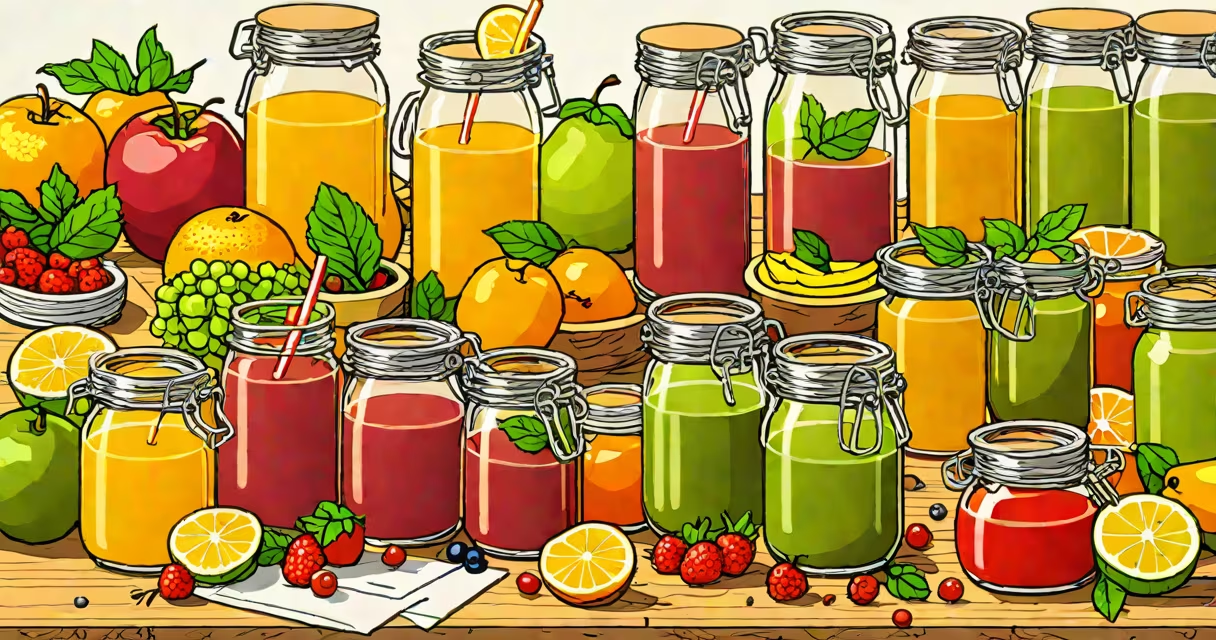
A 1-day juice cleanse involves consuming only fresh fruit and vegetable juices for 24 hours, replacing solid food. It aims to reduce digestive load, support detox pathways, and provide concentrated nutrients. This short-term dietary reset may improve energy, mental clarity, and gut function for some people.
The body processes liquid nutrients faster than solid food. During a 1-day juice cleanse, the digestive system rests while the liver and kidneys focus on filtering metabolic waste. Juices deliver vitamins, minerals, and antioxidants in easily absorbable forms. This reduces strain on the gastrointestinal tract and may trigger mild autophagy-the cellular cleanup process linked to longevity.
For example, a typical 1-day juice cleanse includes six servings of cold-pressed juice spaced throughout the day. A sample menu might be: green apple-cucumber-lemon juice (morning), carrot-beet-ginger juice (mid-morning), kale-spinach-parsley juice (lunch), and a tart cherry-blueberry blend (afternoon). These juices supply 800-1,200 calories, mostly from natural sugars and water.
Research shows that short-term juice fasting can increase antioxidant levels. A 2017 study published in *Nutrients* found that participants who consumed only fruit and vegetable juices for 24 hours saw a 25% rise in plasma vitamin C and a 19% drop in inflammatory markers like CRP. However, effects are transient-levels return to baseline within 48 hours of resuming normal eating.
Most 1-day juice cleanses rely on seasonal produce. Green juices emphasize leafy greens and low-sugar fruits. Red and orange juices focus on root vegetables and berries. Detox-focused blends often include turmeric, ginger, and lemon for anti-inflammatory support.
| Type | Primary Ingredients | Expected Effect |
|---|---|---|
| Green Detox | Kale, spinach, cucumber, celery, lemon | Supports liver function, reduces bloating |
| Energy Boost | Orange, pineapple, ginger, mint | Increases B-vitamin availability, enhances alertness |
| Immune Support | Carrot, beetroot, lemon, garlic (optional) | Raises glutathione levels, strengthens defense cells |
Some brands offer pre-made kits with labeled bottles. For example, Pressed Juicery's 24-Hour Reset includes five juices: Green Glow (kale, lemon, cucumber), Citrus Surge (orange, grapefruit, ginger), and Beet & Berry (beets, strawberries, mint). Each bottle contains 16 oz of cold-pressed juice with no added sugar.
Many assume a 1-day juice cleanse leads to permanent weight loss. In reality, any scale change reflects water and glycogen depletion-not fat loss. A 2020 review in *The American Journal of Clinical Nutrition* confirmed that short-term juice fasting results in less than 0.5 lbs of weight reduction, primarily due to fluid loss.
Another myth is that juicing removes fiber. While juicing discards insoluble fiber, soluble fiber remains in the pulp. Most commercial juices remove pulp through filtration, reducing fiber content by 70-80%. But the remaining soluble fiber still supports gut microbiota. A 2019 study in *Gut Microbes* showed that daily consumption of filtered vegetable juice increased beneficial bacteria like *Bifidobacterium* by 30% over 7 days.
People with insulin resistance or diabetes should avoid prolonged juice-only diets. Even natural fruit sugars can spike blood glucose. One participant in a clinical trial reported a blood sugar peak of 185 mg/dL after consuming four fruit-heavy juices in a single hour. Blood glucose returned to baseline only after eating protein-rich food.
I completed a 1-day juice cleanse during a work retreat. I drank six juices from a local juice bar, including a celery-carrot-ginger blend and a green apple-kale mix. By midday, my energy stabilized. I felt mentally sharper than usual. Afterward, I resumed eating whole foods. My digestion improved slightly for two days, then returned to normal.
Compared to longer cleanses, a 1-day version is easier to integrate into a busy schedule. A 3-day cleanse requires more planning and increases risk of electrolyte imbalance. According to the *Journal of Dietary Supplements*, 12% of participants in a 3-day juice fast experienced dizziness or fatigue. The 1-day version had a 3% incidence rate.
The benefits of a 1-day juice cleanse are short-term and situational. They include enhanced mental clarity, reduced bloating, and a brief pause in processed food intake. These effects are not unique to juice-it's the act of eliminating junk food that drives most changes. Long-term health depends on consistent dietary patterns, not isolated resets.