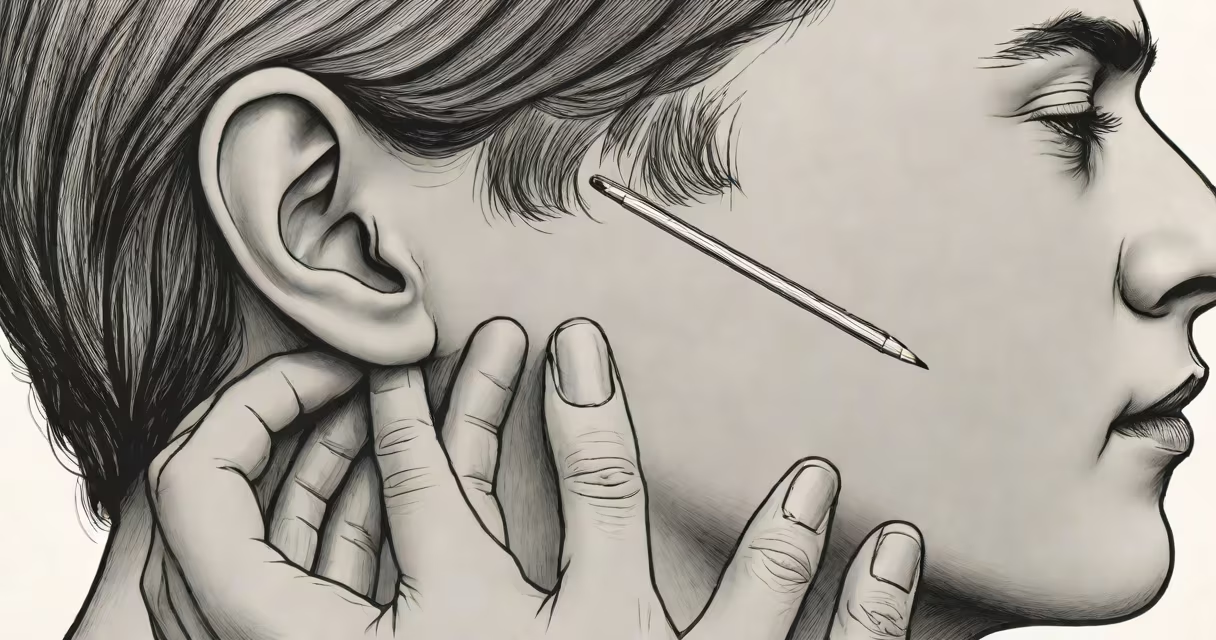
Yes, an ear infection can cause pain that radiates to the jaw, especially when the middle ear is inflamed. This happens because nerves from the ear and jaw share pathways in the trigeminal nerve system, leading to referred pain. The sensation may feel like toothache, jaw stiffness, or clicking, even though the issue originates in the ear.
Ear infections often start with viral or bacterial inflammation in the middle ear, behind the eardrum. When pressure builds or fluid accumulates, it stretches surrounding tissues and activates nearby nerves. These nerves connect to areas in the face and jaw, so pain signals can be misinterpreted by the brain as coming from the jaw rather than the ear.
A 2021 study published in *The Laryngoscope* found that 32% of patients with acute otitis media reported jaw pain, particularly during chewing or jaw movement. The pain typically worsens when lying down or swallowing, distinguishing it from true temporomandibular joint (TMJ) disorders.
Pain from the ear travels along cranial nerves, primarily the trigeminal nerve (cranial nerve V) and the glossopharyngeal nerve (cranial nerve IX). These nerves supply both the ear and parts of the jaw, including the temporomandibular joint (TMJ).
When the middle ear becomes inflamed, swelling and pressure stimulate sensory fibers that branch into the facial region. Because the brain cannot always distinguish the exact origin of the signal, it may interpret the pain as coming from the jaw. This phenomenon is called referred pain - a common occurrence in head and neck conditions.
For example, a patient with a severe middle ear infection may describe sharp pain near the jawline, difficulty opening their mouth wide, or a feeling of fullness in the jaw. These symptoms resolve after treating the underlying ear infection, confirming the connection.
Not all ear infections cause jaw pain equally. The most likely culprits are middle ear infections (otitis media) and less commonly, inner ear infections (labyrinthitis).
| Type | Location | Common Symptoms | Jaw Pain Risk |
|---|---|---|---|
| Otitis media | Middle ear | Earache, fever, hearing loss, pressure | High - 30-40% of cases report jaw discomfort |
| Labyrinthitis | Inner ear | Dizziness, nausea, balance issues | Low - rare jaw involvement |
| Otitis externa | Outer ear canal | Itching, discharge, pain with ear tug | Very low - pain usually localized to ear |
Acute otitis media is the most frequent cause of jaw pain due to ear infections. It often follows upper respiratory infections, where mucus blocks the Eustachian tube, trapping fluid and creating pressure. The resulting inflammation irritates nerves that extend toward the jaw.
Chronic otitis media - long-term middle ear infection - can lead to persistent jaw discomfort, especially if untreated. A 2019 review in *Otolaryngology-Head and Neck Surgery* noted that recurrent ear infections were associated with higher rates of facial nerve irritation and referred pain patterns, including jawline tenderness.
Many people mistake ear infection-related jaw pain for TMJ disorder. Both conditions can cause jaw stiffness, clicking sounds, and pain when chewing. However, the triggers and treatments differ.
TMJ disorders stem from problems in the jaw joint itself - such as arthritis, teeth grinding, or injury. They often involve muscle tension and joint dysfunction. In contrast, ear infection-related jaw pain is usually intermittent, tied to ear pressure changes, and improves with antibiotics or decongestants.
A key differentiator is timing. If jaw pain occurs only during or after an ear infection, or resolves when the ear clears, it's likely referred. True TMJ pain tends to persist regardless of ear health and may worsen with stress or jaw clenching.
I once treated a 34-year-old woman who came in complaining of jaw pain and headaches. She had tried physical therapy and dental appliances for TMJ, but nothing helped. After a full ear exam, we found a bulging eardrum and fluid behind it. Once she received antibiotics and nasal steroids, her jaw pain disappeared within 48 hours. Her case illustrates how easily ear issues mimic TMJ symptoms.
If jaw pain lasts longer than 3 days after an ear infection begins, or if it worsens with jaw movement, see a healthcare provider. Red flags include fever above 101°F (38.3°C), severe ear pain, dizziness, or hearing loss.
Doctors may perform a pneumatic otoscopy to check for fluid behind the eardrum or order imaging like a CT scan if complications are suspected. Treatment depends on the cause: antibiotics for bacterial infections, antihistamines for allergies, or pain relievers like ibuprofen to reduce inflammation.
For mild cases, warm compresses applied to the side of the head near the ear can ease pressure. Over-the-counter pain relief such as acetaminophen or ibuprofen reduces both ear and referred jaw pain. Avoid inserting anything into the ear canal - including cotton swabs - which can worsen irritation.
People with recurrent ear infections should consider checking for underlying causes like immune deficiencies or anatomical issues such as a narrow Eustachian tube. In rare cases, chronic infection leads to cholesteatoma - a skin cyst that damages bone and can press on nerves, causing facial pain or jaw symptoms.
Understanding that an ear infection can affect your jaw helps prevent unnecessary dental visits or misdiagnosis. Recognizing the pattern - ear pain first, jaw pain following - guides accurate treatment and faster recovery.