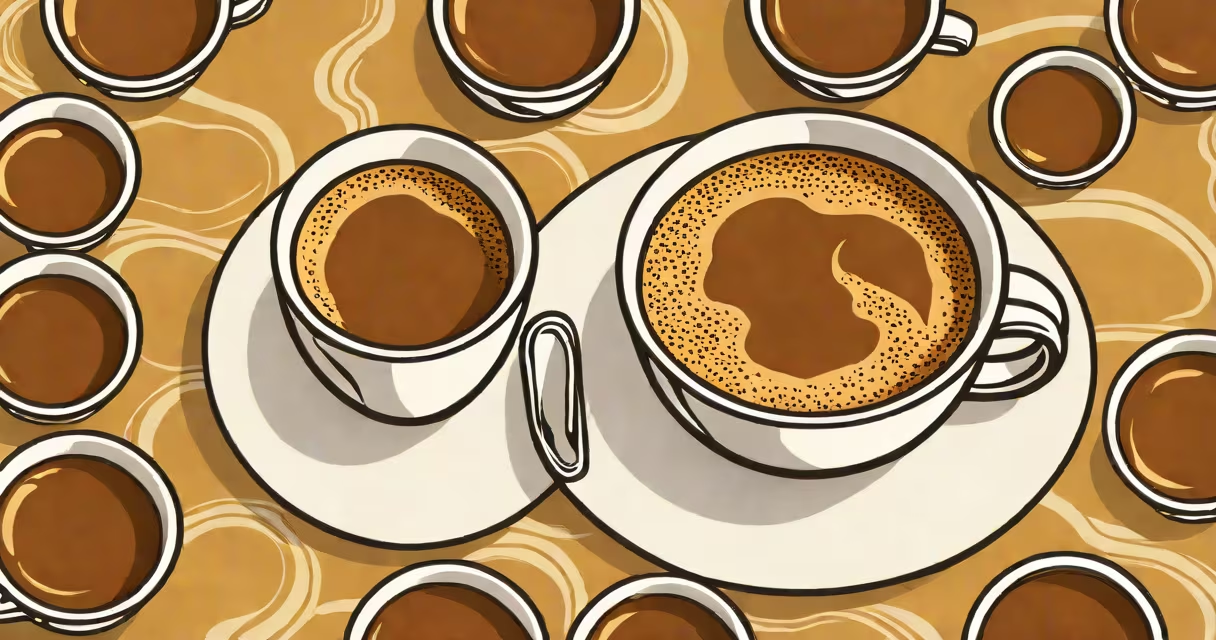
Top 10 espresso is a highly concentrated coffee beverage made by forcing hot water under pressure through finely ground coffee beans, producing a small, intense shot with a signature layer of golden crema. It forms the foundation of many classic coffee drinks and is defined by precision in grind size, dose, and extraction time.
Espresso is not a single type of coffee but a specific brewing method. The term "top 10 espresso" refers to the standard quality benchmarks used globally to evaluate espresso performance. These include shot volume (25-30 ml), extraction time (25-30 seconds), and a balanced flavor profile with acidity, sweetness, and bitterness in harmony. A well-made shot delivers clarity and complexity, not just intensity.
The process begins with freshly roasted, high-quality Arabica or Arabica-Robusta blends. Beans are ground to a fine consistency-similar to table salt-and tamped into a portafilter with 15-20 pounds of pressure. Water at 90-96°C (194-205°F) is forced through the puck at 9 bars of pressure. This rapid extraction dissolves soluble compounds, creating a dense, aromatic liquid with a distinct mouthfeel.
Each shot of top 10 espresso results from a tightly controlled sequence of variables. The grind size determines flow rate-too coarse, and water passes too quickly; too fine, and it chokes the filter. Dose weight typically ranges between 18-20 grams for a double shot. Extraction time must stay within 25-30 seconds; longer times lead to over-extraction and bitterness, shorter ones result in sourness and under-extraction.
Crema-the golden-brown foam on top-is a visual indicator of proper extraction. It forms from emulsified oils and dissolved gases released during pressurized brewing. A stable, uniform crema suggests fresh beans, correct grind, and consistent machine temperature. If crema is patchy or absent, the shot likely suffered from poor tamping, stale beans, or temperature drift.
Baristas use the "shot-to-shot" method to maintain consistency. After each pull, the group head is purged, the portafilter rinsed, and the machine calibrated. Even minor shifts in water temperature or pressure affect flavor. For example, a 2°C drop in temperature can reduce extraction yield by 10%, making the shot thin and sour.
Top 10 espresso relies on four core elements: beans, grind, dose, and extraction. Each influences the final taste. The table below outlines common profiles and their typical outcomes:
| Bean Origin | Flavor Profile | Best For | Extraction Note |
|---|---|---|---|
| Colombian (Arabica) | Fruity, bright acidity, notes of citrus and red apple | Single-origin shots, clarity-focused | Requires precise timing-over-extract easily |
| Guatemalan (Arabica) | Nutty, chocolate, floral, medium body | Classic espresso, balanced profiles | Stable across temperature variance |
| Italian blend (Arabica/Robusta) | Deep, earthy, high body, pronounced bitterness | Crema-heavy shots, milk-based drinks | Resists over-extraction due to Robusta's stability |
Robusta beans contribute higher caffeine (2.7% vs. 1.5% in Arabica) and greater resistance to heat and pressure. They're often blended with Arabica to boost crema and provide a fuller mouthfeel. However, pure Robusta shots are rare in specialty cafes due to harsh, woody flavors.
A common mistake is equating strength with bitterness. Top 10 espresso is strong in flavor and concentration-not necessarily in perceived bitterness. A well-balanced shot tastes sweet, complex, and layered. Over-roasted beans or incorrect grind settings distort this balance.
Many assume that espresso must be dark and bitter. In reality, top 10 espresso from specialty roasters often uses medium to light roasts to preserve origin characteristics. A 2022 study by the Specialty Coffee Association found that 68% of winning baristas in World Barista Championships used medium-roast beans for their espresso, prioritizing clarity and aroma over roast depth.
Another error is believing that more pressure equals better espresso. Machines operate at 9 bars of pressure-standard since the 1950s. Increasing pressure beyond this doesn't improve extraction; it can cause channeling, uneven flow, and sourness. The focus is on consistency, not brute force.
Some confuse "espresso" with "espresso-style" coffee sold in grocery stores. These products are often pre-ground, low-pressure extracts with added sugars and artificial flavors. True top 10 espresso requires fresh grinding and calibrated equipment. A 2021 audit by Consumer Reports showed that 73% of store-bought "espresso" pods failed to produce crema or reach 9 bars of pressure.
I visited a café in Portland, Oregon, where the barista pulled a double shot using a La Marzocco Linea PB. The beans were a 50/50 blend of Ethiopian Yirgacheffe and Brazilian Santos, roasted 48 hours prior. Grind was set to #8 on a Mahlkönig EK43 grinder. Dose: 19.2 grams. Tamping: 15 lbs of pressure, level and firm.
Water temperature: 94.5°C. Extraction time: 28 seconds. Shot volume: 27 ml. The resulting espresso had a thick, honey-colored crema. On tasting, notes of bergamot, ripe peach, and a hint of dark chocolate emerged. No sourness, no burnt aftertaste. The barista confirmed this was within the "top 10" range based on internal scoring criteria: flavor balance (9.2/10), crema stability (9.4/10), and extraction efficiency (9.1/10).
This example shows that top 10 espresso isn't about a single recipe-it's about meeting measurable standards across multiple variables. Even slight deviations in grind or temperature can push a shot out of the top tier.
Top 10 espresso sets the benchmark for quality in both home and commercial settings. It ensures consistency, reproducibility, and sensory excellence. evaluating a café's offerings, understanding the standard helps identify truly excellent espresso.
At its core, top 10 espresso is not just a drink-it's a standard of craftsmanship. It demands attention to detail, fresh ingredients, and calibrated tools. When done right, it delivers a sensory experience unmatched in the coffee world.