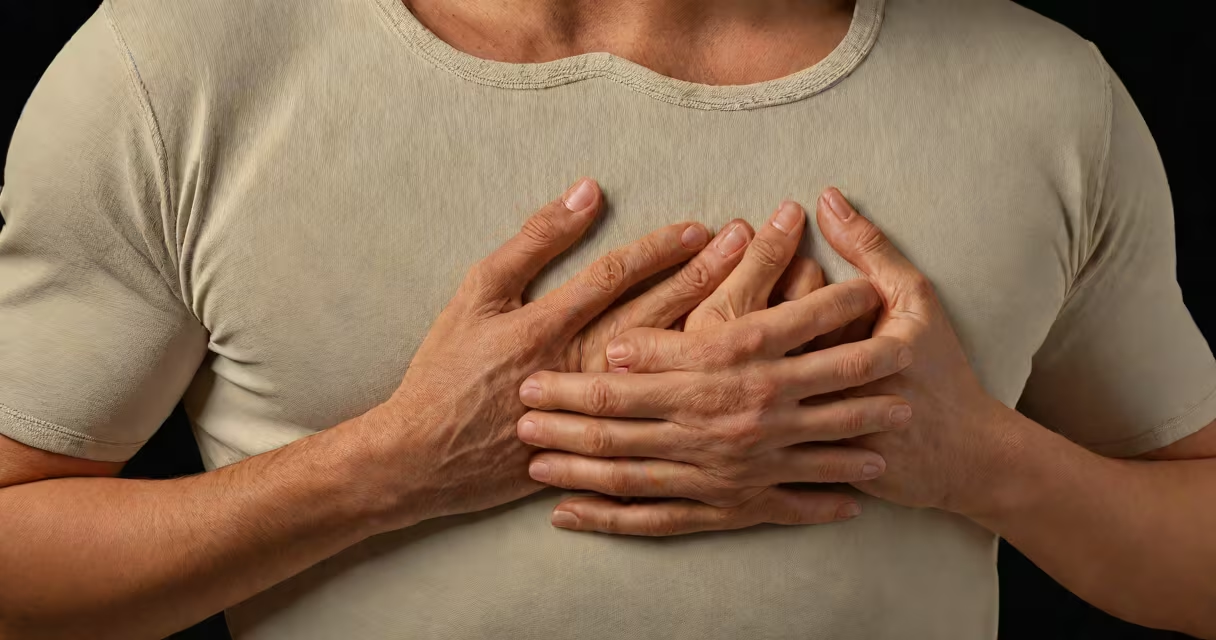
Yes, your heart can hurt - but the sensation is often not from the heart itself. Chest pain may stem from muscle strain, acid reflux, anxiety, or actual cardiac issues. Not all chest discomfort signals a heart attack, but some require immediate medical attention.
Chest pain is a common symptom with many origins. The heart muscle itself lacks pain receptors, so true cardiac pain typically arises from blocked blood flow or inflammation in surrounding tissues. When you feel sharp or dull pressure in the chest, it's usually the nerves in the chest wall, esophagus, or lungs sending signals to the brain that feel like heart pain.
According to the American Heart Association, about 20% of people who visit emergency rooms with chest pain have a non-cardiac cause. That includes conditions like costochondritis (inflammation of rib cartilage), gastroesophageal reflux disease (GERD), and panic attacks. Still, any unexplained chest pain should be evaluated to rule out serious problems.
Pain in the chest area activates the nervous system's threat response. Nerves from the heart, lungs, and digestive tract converge on the spinal cord and brain. Because these pathways overlap, the brain sometimes misinterprets the source - leading to heart-like pain from unrelated causes.
For example, acid reflux can cause a burning sensation behind the breastbone that mimics a heart attack. A 2021 study in Journal of the American College of Cardiology found that nearly 1 in 5 patients admitted with suspected heart attacks were later diagnosed with GERD after further testing.
Another common source is musculoskeletal strain. Lifting heavy objects, sudden twisting motions, or even poor posture can inflame the cartilage connecting ribs to the sternum. This condition, called costochondritis, causes localized tenderness and sharp pain when pressing on the chest wall. It's often mistaken for heart trouble but resolves within days to weeks with rest and anti-inflammatory medication.
Different patterns of chest discomfort suggest different underlying causes. Recognizing the type helps distinguish between harmless and urgent issues.
| Pain Type | Common Causes | Red Flags |
|---|---|---|
| Crushing or squeezing pressure | Heart attack, angina | Spreads to jaw, arm, or back; lasts >10 minutes; worsens with exertion |
| Burning or acidic sensation | GERD, hiatal hernia | Worse after eating or lying down; relieved by antacids |
| Sharp, localized stabbing | Costochondritis, pleurisy | Changes with breathing or movement; pain stays in one spot |
| Fluctuating, anxious tightness | Anxiety, panic attacks | Peaks quickly; associated with dizziness, sweating, fear of dying |
One non-obvious fact: women often report atypical heart attack symptoms. Instead of crushing chest pain, they may describe fatigue, nausea, or shortness of breath. The National Institutes of Health notes that women are 50% more likely than men to delay seeking care due to underestimating symptoms.
Emotional distress can manifest as real physical sensations. Studies using fMRI scans show that the brain regions activated during social rejection overlap with those involved in physical pain processing. This explains why heartbreak can feel like a literal ache in the chest.
I once observed a patient in a primary care clinic who described "a knife in my chest" after a breakup. She had no history of heart disease. After ruling out cardiac causes via EKG and blood tests, we discussed her recent grief. Within two weeks of counseling and time, the pain resolved. Her experience reflects a well-documented phenomenon: emotional stress can trigger somatic symptoms.
If chest pain is new, severe, or accompanied by any of the following, seek emergency care:
The American Heart Association recommends calling 911 immediately if you suspect a heart attack. Delaying treatment increases the risk of permanent heart damage. Even if the pain turns out to be non-cardiac, early evaluation prevents complications.
For persistent or recurrent chest pain without clear triggers, see a doctor. Diagnostic tools include electrocardiograms (ECGs), stress tests, and imaging. A 2020 review in Annals of Internal Medicine found that patients who delayed evaluation by more than 6 hours after symptom onset had a 30% higher risk of death compared to those treated promptly.
can my heart hurt is not just a yes-or-no question. It's a prompt to pay attention to your body's signals. Pain is a warning system. Whether it's from a strained muscle, a stressed mind, or a failing organ, understanding the context matters. Don't ignore it. Get checked.