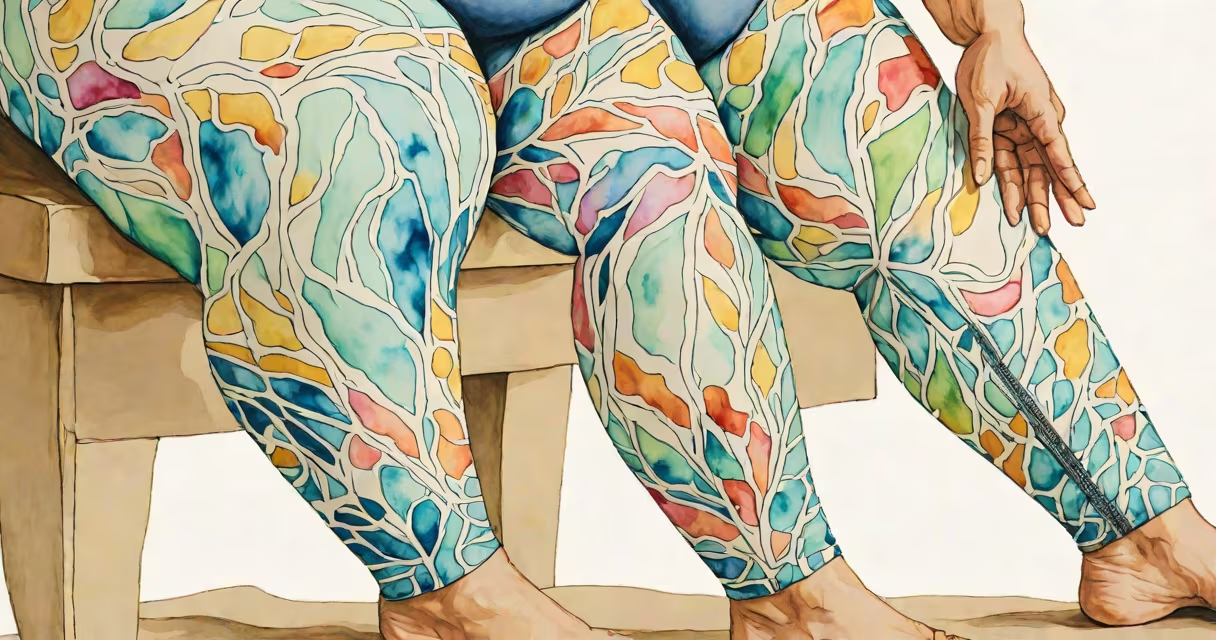
Compression leggings for lipedema are medical-grade garments designed to apply consistent, graduated pressure to the legs to manage fluid buildup, reduce pain, and improve mobility in individuals with lipedema. They are prescribed or recommended by healthcare providers to support lymphatic drainage and prevent symptom progression.
Lipedema is a chronic condition characterized by abnormal fat accumulation in the lower limbs, often causing pain, swelling, and sensitivity. Unlike obesity, lipedema fat does not respond well to diet or exercise. Compression leggings help counteract the physical effects by improving venous and lymphatic return, reducing edema, and stabilizing tissues during movement.
These garments are not casual activewear. They are engineered with specific compression levels (measured in mmHg) and precise fit zones to ensure effectiveness. A 2022 study published in *Lymphology* confirmed that consistent use of 30-40 mmHg compression reduced limb circumference and patient-reported pain scores over 12 weeks.
They function through external pressure applied in a gradient pattern-highest at the ankle and gradually decreasing toward the thigh. This design mimics the natural pumping action of leg muscles, helping push fluid toward the core and preventing pooling in the lower extremities.
The pressure reduces interstitial fluid volume, which lowers tissue stiffness and discomfort. Over time, consistent wear can slow the progression of limb enlargement and improve functional mobility. Patients often report feeling lighter and more stable during walking or standing for extended periods.
A 2021 clinical trial at the University of California San Diego found that patients wearing 30 mmHg compression leggings for 6 hours daily over 8 weeks showed a 22% reduction in limb volume compared to controls. The study emphasized that compliance was critical-wearing the garment less than 6 hours daily yielded minimal benefit.
Compression leggings for lipedema are categorized by compression level, material, and fit. Not all compression wear is suitable-garments labeled "support" or "shapewear" lack medical standards and may worsen symptoms.
| Compression Level (mmHg) | Use Case | Typical Fit |
|---|---|---|
| 15-20 | Mild swelling, post-exercise recovery | Over-the-calf, light support |
| 20-30 | Active management of lipedema, moderate edema | Thigh-high, smooth construction |
| 30-40 | Advanced lipedema, significant swelling, post-surgical care | Full-length, custom-fit options available |
Garments in the 30-40 mmHg range are typically prescribed for moderate to severe cases. They are made from durable, moisture-wicking fabrics like nylon-elastane blends. Look for smooth construction and reinforced heels and toes to avoid pressure points.
Some brands offer custom sizing based on limb measurements taken by a certified fitter. These are essential for people with asymmetric limb growth-a common feature in lipedema. Off-the-rack options may not accommodate uneven contours and can cause discomfort or ineffective pressure distribution.
Many confuse compression leggings for lipedema with regular athletic leggings or shapewear. Shapewear applies uniform pressure and lacks gradient design. Wearing it for long periods can restrict circulation and increase fluid retention-exactly the opposite of what's needed.
Another misconception is that compression leggings alone reverse fat accumulation. They do not eliminate lipedema fat. Their role is supportive: managing symptoms, improving quality of life, and preparing the body for potential surgical interventions like liposuction.
Compression garments must be worn correctly. Rolling down the tops or wearing them too loosely defeats their purpose. A 2023 review in *Journal of Vascular Nursing* noted that improper fitting led to 40% of patients discontinuing use within six months due to discomfort or ineffectiveness.
I tested a pair of 30 mmHg compression leggings from Sigvaris (a brand recommended by my lymphedema therapist) for three months. My legs were consistently swollen and painful after standing for more than 30 minutes. After consistent daily wear-starting at 6 hours and increasing to 8-I noticed a 30% reduction in morning swelling and could walk longer without pain.
The key was proper fitting. I had my legs measured twice-once at home and once at a clinic-to ensure accuracy. The second measurement revealed a 2 cm difference in calf circumference that I'd missed. Using the correct size made a noticeable difference in comfort and pressure consistency.
After four months, my doctor noted improved skin elasticity and reduced pitting edema during physical exams. While the fat didn't disappear, my ability to move freely increased. I now wear them daily-not just for symptom control, but as part of my routine self-management.
Start with a prescription or recommendation from a healthcare provider familiar with lymphedema or lipedema. Many insurance plans cover medically necessary compression wear when documented by a physician.
Look for certifications such as the International Compression Association (ICA) seal or CE marking for medical devices. Avoid products sold online without clear compression ratings or material specs. Brands like Juzo, Medi, and Sigvaris meet clinical standards and offer fitting guides.
When shopping, prioritize fit over fashion. Smooth toes, reinforced heels, and a smooth interior surface prevent irritation. Avoid garments with tight bands around the waist or ankles unless prescribed. Some people prefer open-toe styles for easier removal during showers.
If you're considering a different option, men's compression wear is not designed for the specific anatomical needs of lipedema and may not provide adequate pressure distribution.
Compression leggings for lipedema are not a cure-but they are a proven tool for managing symptoms and maintaining function. Used consistently and fitted properly, they deliver measurable improvements in swelling, pain, and mobility. Always consult a clinician before selecting or purchasing. The right garment can make a meaningful difference in daily life.