Marine pollution is the introduction of harmful substances-such as plastics, chemicals, oil, and nutrients-into oceans, seas, and coastal waters, causing ecological harm, disrupting food webs, and endangering human health. This occurs through direct dumping, runoff, atmospheric deposition, and accidental spills.
Marine pollution originates from both land-based and sea-based sources. Land-based sources include urban runoff, agricultural pesticides, industrial discharges, and sewage. Sea-based sources involve shipping, offshore drilling, fishing activities, and naval operations. These inputs degrade water quality, reduce oxygen levels, and alter habitats critical to marine species survival.
The United Nations Environment Programme (UNEP) identifies marine pollution as a global threat to biodiversity and human well-being. According to UNEP's 2021 Global Outlook on Marine Litter, over 14 million metric tons of plastic enter oceans annually, with projections suggesting this could double by 2040 if current practices continue. The World Health Organization (WHO) confirms that microplastics have been detected in seafood consumed by humans, raising concerns about bioaccumulation and long-term health effects.
Pollutants enter marine environments through physical transport mechanisms. Rainwater washes urban waste into rivers, which carry it to estuaries and the open ocean. Industrial effluents release heavy metals like mercury and lead, which settle in sediments and accumulate in fish tissue. Oil spills from tankers or offshore platforms create surface slicks that smother marine animals and destroy breeding grounds.
Chemical pollutants such as polychlorinated biphenyls (PCBs) and pesticides like DDT persist in marine systems for decades. They undergo biomagnification-concentrating at higher levels in predators such as sharks, dolphins, and humans who consume contaminated fish. A 2019 study published in *Science* found that PCB levels in killer whales off the coast of British Columbia exceeded toxicity thresholds, contributing to reproductive failure and population decline.
Excess nutrients from fertilizers cause eutrophication. When nitrogen and phosphorus run off farmland, they stimulate algal blooms. As algae die and decompose, oxygen is depleted, creating "dead zones" where most marine life cannot survive. The Gulf of Mexico dead zone, which averages 6,000 square miles in size each summer, is one of the largest documented examples.
Marine pollution falls into distinct categories based on origin and composition. The table below outlines major types, their primary sources, and notable impacts.
| Type | Primary Sources | Key Impact |
|---|---|---|
| Plastic Waste | Single-use packaging, fishing gear, synthetic textiles | Entanglement, ingestion by marine mammals and seabirds; microplastics in food chain |
| Oil and Hydrocarbons | Shipping accidents, offshore drilling leaks, urban runoff | Coating of feathers and fur, respiratory damage in animals, long-term habitat degradation |
| Nutrient Pollution | Agricultural runoff, sewage discharge | Eutrophication, hypoxia, loss of seagrass beds |
| Heavy Metals | Industrial discharge, mining runoff | Bioaccumulation in fish, neurological damage in humans |
| Thermal Discharge | Power plants, industrial cooling systems | Disruption of spawning cycles, reduced oxygen solubility |
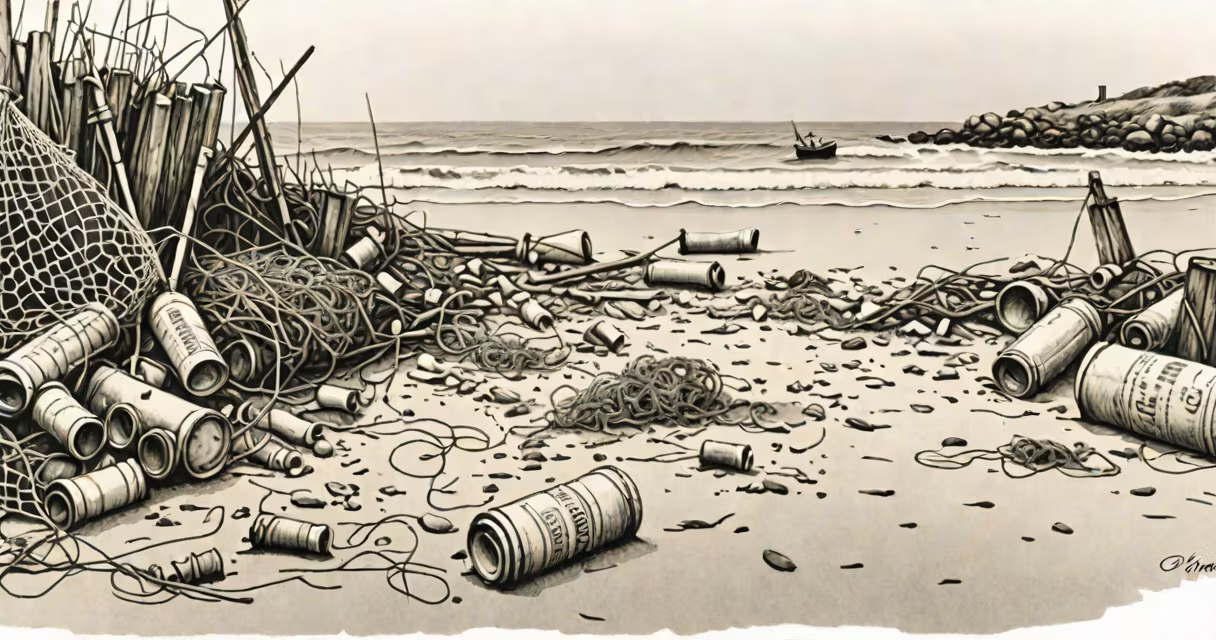
One underappreciated source is ghost fishing gear-abandoned or lost nets and traps. The Food and Agriculture Organization (FAO) estimates that 10% of all marine litter consists of fishing equipment, which continues to catch and kill marine life for years. An estimated 640,000 tons of fishing gear are discarded annually, accounting for nearly half of all large plastic debris found in ocean gyres.
Many assume marine pollution is limited to visible trash like bottles and bags. However, the most pervasive threats are invisible: dissolved pollutants such as microplastics, pharmaceuticals, and endocrine disruptors. These substances pass undetected through filtration systems and enter the food web at low concentrations, yet their cumulative effects are severe.
Another misconception is that pollution only affects distant oceans. Coastal communities bear the brunt of immediate impacts. In 2018, a red tide event in Florida, fueled by nutrient runoff from Lake Okeechobee, killed over 100 tons of fish and caused respiratory issues in nearby residents. The economic cost to tourism and fisheries exceeded $80 million in a single season.
Some confuse marine pollution with natural phenomena like algal blooms. While algal blooms occur naturally, anthropogenic nutrient loading accelerates their frequency and intensity. The bloom in the Baltic Sea since the 1970s has worsened due to fertilizer use and wastewater discharge, turning seasonal events into persistent problems.
The Great Pacific Garbage Patch is a vast accumulation of floating debris in the North Pacific Ocean, formed by converging currents. It spans an area larger than Texas and contains approximately 1.8 trillion pieces of plastic weighing 80,000 metric tons. Most of the material is microplastics-fragments smaller than 5 millimeters-making them difficult to remove and dangerous to ingest.
Research conducted by the Ocean Cleanup project in 2020 revealed that 92% of the mass in the patch comes from just 1% of the debris: large, durable items like fishing nets and crates. These items break down slowly, releasing toxins and entangling marine animals. A green sea turtle was documented with a plastic bag lodged in its mouth during a survey near Hawaii, highlighting the direct threat to wildlife.
Efforts to clean the patch using passive floating barriers have shown mixed results. A 2023 evaluation by the National Oceanic and Atmospheric Administration (NOAA) found that while the system captured 40% of targeted debris, it also trapped small organisms, raising concerns about unintended ecological consequences. This underscores that cleanup solutions must balance effectiveness with environmental safety.
Marine pollution undermines food security. Over 3 billion people rely on seafood as a primary protein source. Contaminated fish stocks reduce yield and increase health risks. In Southeast Asia, mercury levels in predatory fish like tuna exceed WHO safety limits in 40% of sampled markets.
Coastal economies suffer too. Tourism, fishing, and aquaculture depend on clean waters. The 2010 Deepwater Horizon spill in the Gulf of Mexico caused over $10 billion in losses to the fishing industry and disrupted local livelihoods for years. Recovery remains incomplete in some regions.
I've observed the impact firsthand during a field trip to the Philippines in 2019. In a remote lagoon, we found coral reefs covered in plastic mesh and discarded bottles. Fish were swimming through tangled nets. Local fishermen reported declining catches and increasing injuries from sharp debris. The site had no waste collection infrastructure-just a few scattered barrels and no formal disposal system.
For context, land-based pollution contributes about 80% of marine contaminants, according to the UNEP. Understanding land pollution helps reveal how terrestrial activities cascade into ocean harm. Addressing both requires coordinated efforts across sectors and borders.