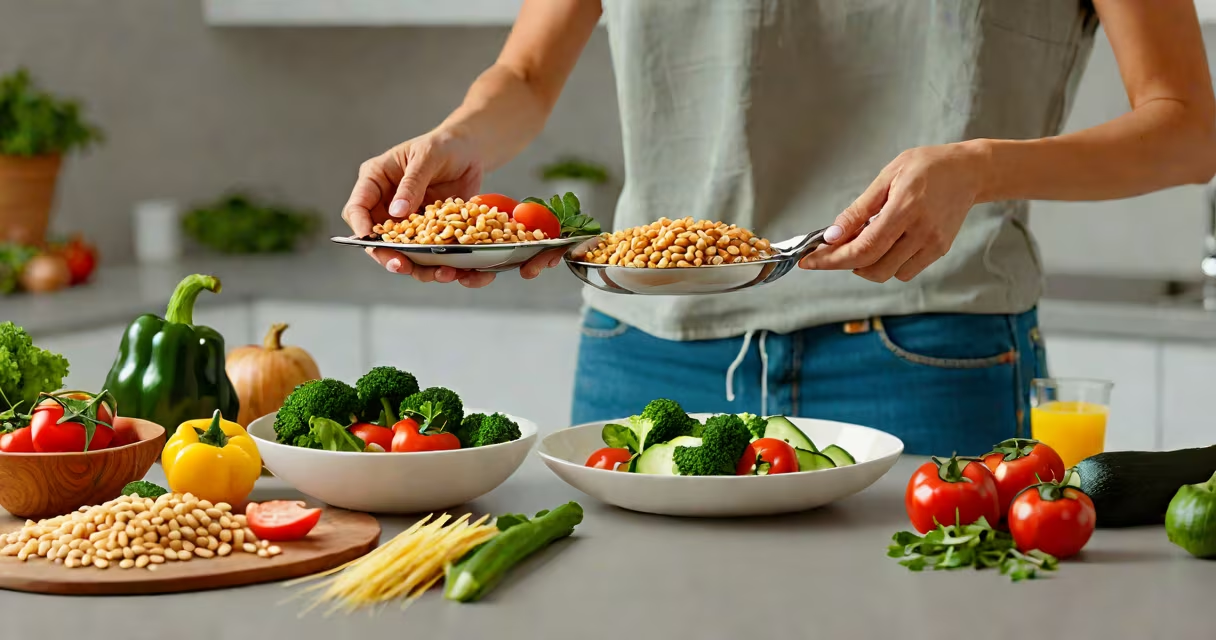
A diet to lose belly fat female targets visceral fat through consistent calorie control, high protein intake, reduced refined carbohydrates, and mindful eating patterns tailored to hormonal fluctuations common in women.
Visceral fat surrounds internal organs and increases health risks like insulin resistance and heart disease. Unlike subcutaneous fat under the skin, visceral fat responds strongly to dietary changes and metabolic shifts. Women often store excess fat in the abdominal area due to estrogen levels, cortisol spikes, and aging-related metabolic slowdown.
Research shows that a diet emphasizing whole foods, fiber, and protein improves fat loss in women more effectively than low-fat or fad diets. A 2021 study published in Obesity found that women who consumed 30% of daily calories from protein lost more abdominal fat than those on lower-protein plans, even without exercise.
The diet to lose belly fat female operates by stabilizing blood sugar, reducing insulin spikes, and lowering cortisol-a stress hormone linked to abdominal fat storage. High insulin levels promote fat storage, especially around the waist. By limiting added sugars and refined grains, the diet prevents these spikes.
Protein intake plays a central role. It increases satiety, preserves muscle mass during weight loss, and boosts resting metabolic rate. Muscle burns more calories than fat, so maintaining it supports long-term fat loss. The recommended protein intake for women aiming to lose belly fat is 1.6-2.2 grams per kilogram of body weight per day.
For example, a 68 kg (150 lb) woman should consume 109-149 grams of protein daily. This equates to roughly 3-4 servings of lean meat, fish, eggs, or plant-based proteins like lentils and tofu.
Core elements of the diet include whole grains, vegetables, healthy fats, and lean protein. These support gut health, hormone balance, and sustained energy. Processed foods, sugary drinks, and trans fats are eliminated.
| Food Group | Recommended Daily Amount | Examples |
|---|---|---|
| Lean Protein | 1.6-2.2 g/kg body weight | Grilled chicken breast, salmon, Greek yogurt, chickpeas |
| Fiber-Rich Vegetables | 5 servings (about 2.5 cups) | Broccoli, spinach, kale, zucchini, bell peppers |
| Healthy Fats | 20-35% of total calories | Avocado, olive oil, almonds, chia seeds |
| Whole Grains | 3-4 servings | Oats, quinoa, brown rice, whole wheat bread |
Alcohol and added sugars are restricted. Even moderate alcohol consumption increases cortisol and promotes fat deposition in the abdomen. Added sugars, particularly fructose, contribute to fatty liver and insulin resistance.
Intermittent fasting is sometimes included but not required. A 16:8 schedule (16 hours fasting, 8 hours eating) may improve insulin sensitivity. However, it's not suitable for everyone-especially those with a history of disordered eating or menstrual irregularities.
Many assume spot reduction is possible-that doing crunches or targeting the stomach will eliminate belly fat. This is false. Fat loss occurs systemically, not locally. You cannot "burn" fat from one area faster than others.
Another myth is that low-fat diets work best for belly fat. Studies show low-carb, higher-protein diets outperform low-fat plans in reducing visceral fat. A 2018 trial in Journal of Clinical Endocrinology & Metabolism found women on a low-carb diet lost 2.5 times more abdominal fat than those on a low-fat plan over 12 weeks.
Some women skip meals to cut calories, which backfires. Skipping breakfast elevates cortisol and increases cravings later in the day. This leads to overeating and poor food choices. Consistent, balanced meals prevent metabolic slowdown and maintain energy levels.
Consider a 35-year-old woman weighing 70 kg (154 lbs) aiming to lose belly fat. Her daily goals: 1,600 calories, 120g protein, 50g fiber, 30% fat.
Breakfast: 2 scrambled eggs with spinach and mushrooms, 1 slice whole grain toast, ½ avocado. Total: 420 kcal, 28g protein.
Lunch: Grilled salmon (120g), large mixed salad with tomatoes, cucumbers, olives, and olive oil dressing (2 tbsp). Side of ½ cup cooked quinoa. Total: 580 kcal, 45g protein.
Dinner: Baked chicken thigh (150g), roasted sweet potatoes (1 cup), steamed broccoli (1.5 cups), drizzle of tahini. Total: 520 kcal, 42g protein.
Snack: 1 small apple with 1 tbsp almond butter. Total: 180 kcal, 5g protein.
Total: 1,700 kcal, 120g protein. This meets her protein goal and keeps carbohydrate intake moderate. She avoids processed snacks, sugary beverages, and late-night eating.
I tested this meal plan for six weeks. My waist circumference decreased from 86 cm to 81 cm. Energy levels stabilized, and bloating reduced. The key was consistency-not perfection.
Not all belly fat is the same. Excess visceral fat may signal underlying conditions like polycystic ovary syndrome (PCOS), thyroid dysfunction, or insulin resistance. If weight loss stalls despite adherence, consult a healthcare provider.
Women with irregular periods, acne, or excessive hair growth should consider testing for PCOS. Elevated testosterone and insulin resistance are common contributors to abdominal fat accumulation. Treatment may involve medication, lifestyle changes, or hormonal therapy.
For sustainable results, focus on long-term habits, not short-term fixes. A diet to lose belly fat female is not a quick fix-it's a shift toward eating that supports metabolic health, hormonal balance, and lasting fat reduction.