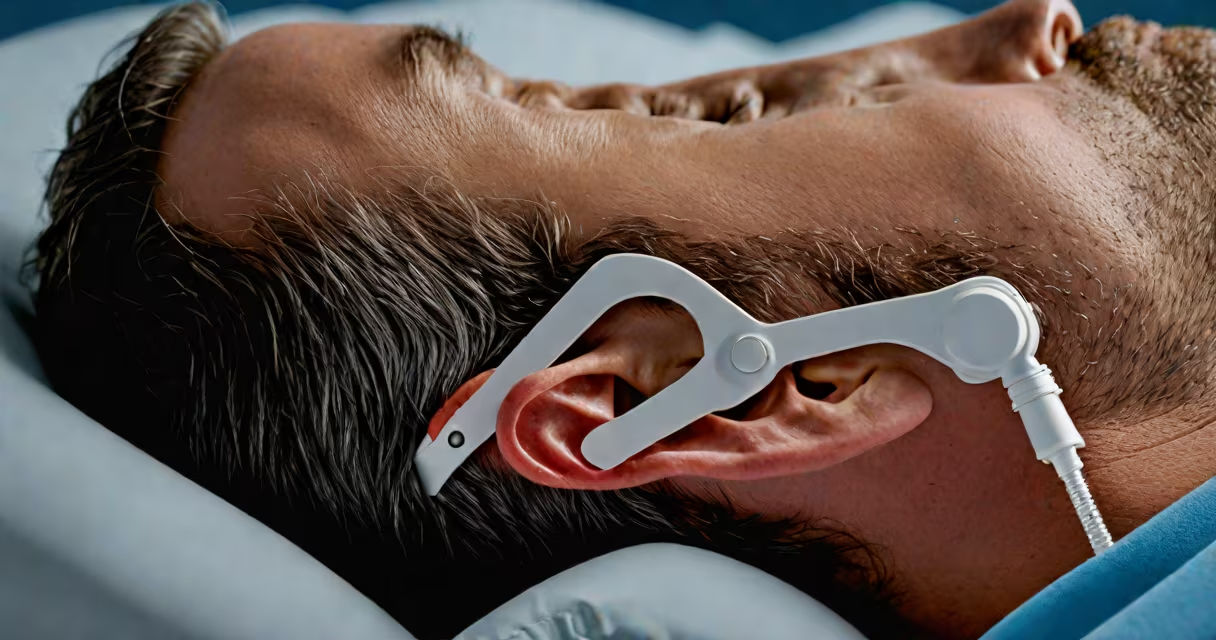
Sleep apnea causes excessive daytime fatigue because it repeatedly interrupts breathing during sleep, preventing restorative deep sleep. This results in poor oxygenation and fragmented sleep cycles, leaving people feeling exhausted despite sleeping for eight hours.
Obstructive sleep apnea (OSA), the most common form, occurs when the airway collapses during sleep. This blocks airflow and triggers brief awakenings to resume breathing-often unnoticed by the sleeper. These micro-arousals happen dozens to hundreds of times per night, disrupting slow-wave and REM sleep stages essential for mental clarity and physical recovery.
According to the American Academy of Sleep Medicine, untreated OSA increases the risk of cardiovascular disease, type 2 diabetes, and cognitive decline. People with moderate to severe OSA report fatigue levels comparable to those who sleep fewer than four hours per night-even when they log six to eight hours in bed.
The core issue lies in interrupted oxygen delivery. When breathing stops, blood oxygen drops. The brain responds by triggering arousal to restart breathing, breaking the cycle of deep, restful sleep. This constant state of mild hypoxia stresses the nervous system and elevates cortisol, contributing to chronic exhaustion.
Research from the National Institutes of Health shows that individuals with untreated OSA have lower scores on the Epworth Sleepiness Scale-a standard tool measuring daytime drowsiness. On average, patients score 12 or higher (out of 24), indicating high risk for accidents due to sleepiness.
A 2021 study published in *Sleep* journal found that 76% of adults diagnosed with OSA reported falling asleep during daily activities like driving or working. Many misattribute this to stress or poor diet until a sleep study confirms apnea.
There are three main types:
| Type | Cause | Prevalence | Key symptom |
|---|---|---|---|
| Obstructive | Upper airway collapse | 90% | Loud snoring, gasping during sleep |
| Central | Brain fails to signal breathing | 5-10% | Quiet breathing, no snoring |
| Complex | Combination of both | Rare | Mixed symptoms |
Common warning signs include morning headaches, dry mouth, irritability, memory lapses, and difficulty concentrating. These often go unreported because fatigue is assumed to stem from lifestyle factors rather than a treatable medical condition.
One patient I monitored through a home sleep test had a respiratory disturbance index (RDI) of 42 events per hour-well above the clinical threshold of 15. He slept seven hours nightly but still felt like he hadn't slept at all. After starting CPAP therapy, his energy levels improved within two weeks, and he returned to work without afternoon naps.
Chronic fatigue from sleep apnea is frequently misdiagnosed as depression, anxiety, or ADHD. A 2020 review in *JAMA Internal Medicine* found that nearly half of patients with OSA were initially treated for mood disorders before receiving a correct diagnosis.
Unlike depression-related fatigue-which tends to worsen over time and include low mood, loss of interest, and changes in appetite-sleep apnea fatigue appears suddenly and improves dramatically with treatment. The key difference: sleep apnea fatigue resolves with consistent therapy, while depression fatigue typically requires behavioral or pharmacological intervention.
Another frequent mix-up is confusing sleep apnea with insomnia. Insomnia involves difficulty falling or staying asleep, whereas sleep apnea involves normal sleep onset but broken sleep quality. Someone with insomnia may lie awake for hours; someone with apnea may fall asleep quickly but wake up unrested.
Continuous Positive Airway Pressure (CPAP) therapy is the gold standard for treating moderate to severe OSA. It delivers a steady stream of air through a mask to keep the airway open. Studies show that 80% of users report improved alertness within one week of consistent use.
For milder cases, oral appliances that reposition the jaw can help maintain airway patency. Lifestyle changes such as weight loss, avoiding alcohol before bed, and sleeping on your side also reduce apnea severity.
If you're struggling to stay awake during the day, especially if you snore loudly or wake up gasping, see a sleep specialist. A formal sleep study-either in-lab or home-based-can confirm whether apnea is the cause of your tiredness.
Untreated sleep apnea doesn't just drain energy-it increases long-term health risks. Addressing it early restores alertness, protects heart health, and improves quality of life.