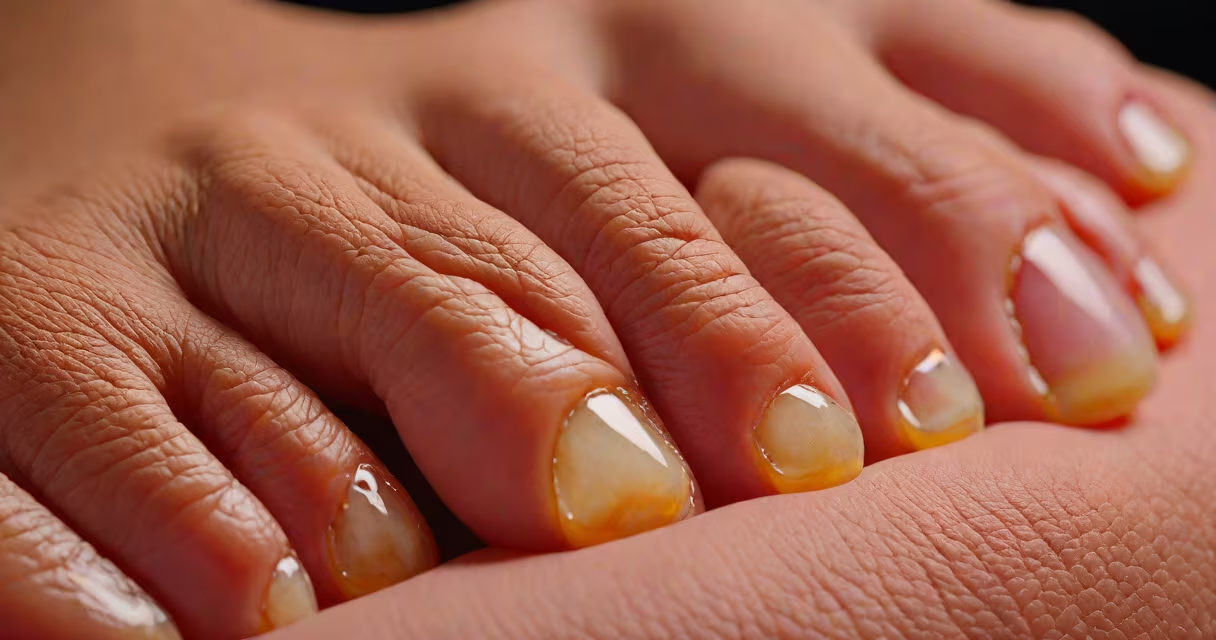
Yes, foot swelling is a sign symptom of gout, caused by uric acid crystals depositing in the joint, leading to intense inflammation, especially in the big toe. This swelling typically appears suddenly, often overnight, and may last days to weeks without treatment.
Gout results from hyperuricemia-elevated levels of uric acid in the blood. When uric acid exceeds solubility limits, monosodium urate crystals form and accumulate in cooler areas of the body, such as the metatarsophalangeal joint (base of the big toe). These crystals trigger an immune response, causing redness, heat, severe pain, and rapid swelling. The American College of Rheumatology notes that 75% of gout cases first present in the big toe joint.
Swelling in gout is not merely fluid retention-it's inflammatory edema driven by neutrophil infiltration and cytokine release. The affected foot becomes tender to touch, warm, and visibly enlarged. A single flare can reduce mobility. Without intervention, episodes recur and may lead to chronic tophaceous gout, where visible deposits form under the skin.
Uric acid is a byproduct of purine metabolism. Purines come from both dietary sources (red meat, shellfish, alcohol) and internal cell turnover. When production exceeds excretion, serum uric acid rises above 6.8 mg/dL-threshold for crystal formation. The kidneys filter out excess uric acid, but impaired renal function or high intake can overwhelm this system.
Crystals deposit in synovial fluid and connective tissues around joints. The immune system misidentifies them as foreign invaders. Neutrophils rush in, releasing enzymes and reactive oxygen species that damage surrounding tissue. This cascade results in acute inflammation, increased vascular permeability, and fluid leakage into the joint space-visible as swelling.
A 2021 study in *Arthritis & Rheumatology* found that patients with gout had 3.2 times higher odds of developing foot swelling compared to those with other forms of arthritis. Swelling peaks within 24 hours of onset and resolves slowly, often taking 3-7 days with anti-inflammatory medication.
Many assume gout only affects heavy drinkers or obese individuals. While risk factors include obesity (BMI ≥30), excessive alcohol consumption (especially beer), and diets rich in purines, gout can occur in lean, healthy people. Genetic predisposition accounts for up to 40% of cases, according to the National Institutes of Health.
Some confuse gout-related swelling with infection or injury. Cellulitis, for example, presents with fever, spreading redness, and warmth-but lacks the sudden onset and extreme pain typical of gout. Gout flares rarely involve fever unless complicated by secondary infection. A podiatrist can differentiate based on clinical signs and joint fluid analysis.
Another misconception: gout only affects men. While men are four times more likely to develop gout before age 60, women's risk increases sharply after menopause due to declining estrogen, which enhances uric acid excretion. Postmenopausal women now account for nearly 25% of gout diagnoses.
If you experience sudden, excruciating pain in the big toe accompanied by redness and swelling, seek evaluation. Delaying care increases the risk of joint damage and tophi formation. A rheumatologist or podiatrist can confirm gout via joint aspiration-extracting fluid from the inflamed joint to identify needle-shaped urate crystals under polarized light microscopy.
Treatment focuses on reducing inflammation during flares and lowering serum uric acid long-term. Acute flares are managed with NSAIDs (e.g., ibuprofen 600 mg every 6 hours), colchicine (0.6 mg every 12 hours), or corticosteroids (prednisone 30 mg daily for 5 days). For prevention, allopurinol or febuxostat lower uric acid production, aiming for levels below 6 mg/dL.
One patient reported waking with a foot so swollen he couldn't wear shoes. After joint fluid analysis confirmed urate crystals, he began allopurinol and reduced red meat intake. Within six months, flares ceased, and swelling resolved completely.
Not all foot swelling indicates gout. Conditions like plantar fasciitis, venous insufficiency, or diabetic neuropathy cause gradual swelling. Gout swelling is abrupt, localized, and often unilateral. It typically spares the ankle and heel, unlike cellulitis or deep vein thrombosis.
A lesser-known fact: gout flares can be triggered by dehydration, surgery, or rapid weight loss. Even brief fasting or low-carb diets can increase uric acid levels by shifting metabolic pathways toward purine breakdown. Patients who lose weight quickly may experience gout flares despite improved BMI.
Another distinction: gout swelling is usually limited to one joint initially. Over time, multiple joints may be involved-knees, ankles, fingers-but the big toe remains the most common site. If swelling spreads rapidly to several joints, consider alternative diagnoses like septic arthritis or lupus nephritis.
| Feature | Gout | Cellulitis | Plantar Fasciitis |
|---|---|---|---|
| Onset | Sudden, often overnight | Gradual, over 24-48 hours | Slow, worsens with activity |
| Pain Location | Big toe joint, sometimes ankle | Widespread redness and warmth | Heel and arch |
| Systemic Symptoms | Rarely fever; chills uncommon | Fever, chills common | No systemic signs |
| Response to Ice | May reduce swelling temporarily | Less effective | Minimal relief |
Reducing gout flares involves lifestyle changes and medication. Limit purine-rich foods: organ meats, sardines, anchovies, and excessive red meat. Alcohol, particularly beer and spirits, inhibits uric acid excretion. Daily water intake of 2 liters helps flush uric acid through urine.
Regular monitoring of serum uric acid levels ensures treatment effectiveness. Target levels below 6 mg/dL prevent new crystal deposition. Long-term management prevents joint destruction and tophi development. A 2023 review in *The Lancet Rheumatology* showed that sustained uric acid control reduced gout flare recurrence by 70% over five years.
For context, a person who is 5 foot 4 inches (162.56 cm) has a height that correlates with average foot size-typically 9-10 US shoe size. While height doesn't affect gout risk, foot anatomy influences pressure distribution and joint stress. Proper footwear can reduce strain on the big toe during flares.
Understanding whether your foot swells with gout is critical for timely treatment. Recognizing the signs-sudden, painful swelling in the big toe-can prevent long-term joint damage. Prompt medical care leads to better control and fewer flares.