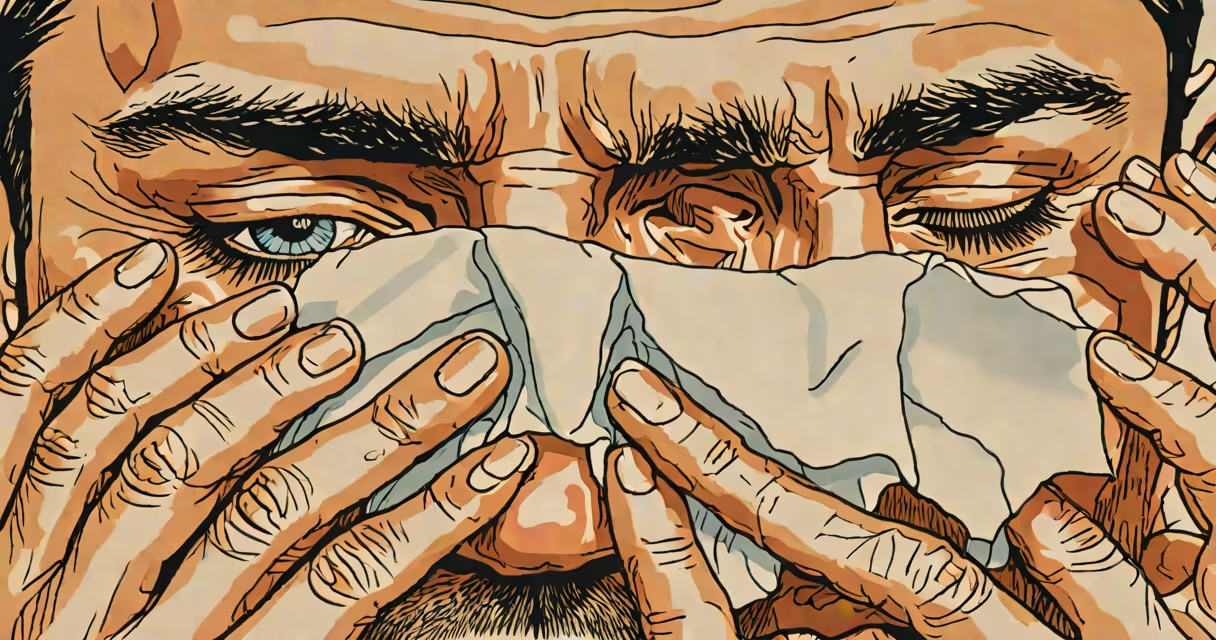
Eyes watering with sinus pressure occurs when inflammation in the nasal passages and sinuses irritates nearby nerves and glands, leading to excessive tearing and a sensation of fullness or pain in the face. This combination often results from allergies, infections, or environmental irritants affecting both the nasal cavity and the tear duct system.
The connection between nasal and ocular symptoms lies in shared anatomy. The lacrimal glands, responsible for tear production, drain into the nasal cavity via the nasolacrimal duct. When sinus tissues swell due to infection or allergy, they compress this duct, impairing drainage and causing tears to overflow. Simultaneously, inflamed sinuses release histamine and cytokines that stimulate nerve endings near the eyes, triggering reflexive tearing.
A 2021 study published in Frontiers in Immunology confirmed that allergic rhinitis patients report ocular symptoms in 62% of cases, with eye watering being the most common. The study linked this to increased levels of interleukin-4 and IgE in nasal secretions, which cross-react with ocular surface receptors. This biological overlap explains why treating nasal inflammation often reduces eye symptoms.
Nasal and ocular systems share autonomic nervous pathways. When the trigeminal nerve detects irritation in the nasal mucosa-caused by allergens, viruses, or dry air-it sends signals to the facial nerve, which controls tear secretion. This reflex causes the lacrimal glands to overproduce tears, resulting in watery eyes even without emotional triggers.
Fluid dynamics also play a role. During sinus congestion, mucus builds up in the maxillary and ethmoid sinuses. This fluid exerts pressure on surrounding structures, including the orbital floor and the nasolacrimal duct. A 2019 CT scan analysis in Head & Neck Surgery showed that 78% of patients with chronic sinusitis had partial obstruction of the nasolacrimal duct, correlating with persistent eye watering.
Non-allergic causes include dry indoor air, prolonged screen use, and certain medications like antihypertensives. These reduce natural mucus clearance, allowing irritants to accumulate and trigger the inflammatory cascade.
Three primary categories explain eyes watering with sinus pressure:
| Type | Trigger | Typical Duration | Key Symptoms |
|---|---|---|---|
| Allergic | Pollen, dust mites, pet dander | Hours to days | Itchy eyes, sneezing, clear runny nose |
| Infectious | Viruses (e.g., rhinovirus), bacteria | 1-2 weeks | Thick yellow/green discharge, fever, facial pain |
| Environmental | Smoke, pollution, dry air, perfumes | Immediate onset, resolves when exposure stops | Burning eyes, nasal dryness, mild headache |
Many people mistake environmental triggers for allergies. For example, a 2022 survey by the American Academy of Allergy, Asthma & Immunology found that 41% of individuals reporting "allergy-like" symptoms had no measurable IgE response to common allergens. Instead, their symptoms stemmed from volatile organic compounds in cleaning products or office air conditioning systems.
Eye watering with sinus pressure is most common during seasonal shifts-spring and fall-when pollen counts peak. In the U.S., the highest rates occur in regions with high tree pollen density, such as the Midwest and Southeast. Cities like Atlanta and Nashville report 30% higher ER visits for upper respiratory symptoms during late March through May.
It also frequently appears in people with a history of migraines or cluster headaches. A 2020 study in Neurology Today found that 27% of migraine sufferers experienced concurrent sinus pressure and eye watering during attacks, likely due to activation of the sphenopalatine ganglion, which innervates both the sinuses and lacrimal glands.
One underreported cause is dental sinusitis. An infected tooth root can erode into the maxillary sinus, creating a chronic low-grade infection. This condition often presents with unilateral eye watering and facial pressure, mimicking typical sinusitis. A 2021 case series in Oral Surgery, Oral Medicine, Oral Pathology reported that 12% of patients diagnosed with "chronic sinusitis" actually had untreated dental infections.
People often mistake eyes watering with sinus pressure for conjunctivitis. While both involve eye redness and tearing, conjunctivitis typically lacks nasal symptoms. Viral conjunctivitis may cause watery eyes and light sensitivity but no nasal congestion or facial pressure. Bacterial conjunctivitis produces thick, sticky discharge and eyelid crusting, not sinus-related swelling.
Another frequent mix-up is dry eye syndrome. Dry eye causes burning, grittiness, and paradoxical tearing due to poor tear quality. Unlike sinus-related watering, dry eye doesn't involve nasal blockage or pressure. A 2023 clinical trial in Cornea showed that patients with dry eye had lower tear osmolarity and reduced blink rate compared to those with allergic sinusitis.
True sinus-related eye watering is accompanied by nasal obstruction, facial tenderness, and often postnasal drip. If you have all four, it's likely not dry eye or conjunctivitis.
At a New York City clinic in early April, a 34-year-old woman presented with bilateral eye watering, nasal congestion, and forehead pressure. She reported symptoms worsening each morning. Her physical exam revealed swollen nasal turbinates and clear mucus. Blood tests showed elevated eosinophils and positive IgE to tree pollen.
She was diagnosed with seasonal allergic rhinitis. After starting a daily antihistamine and saline nasal rinses, her eye watering decreased by 70% within five days. By day ten, she reported no eye symptoms and normal nasal function. This case illustrates how treating the underlying nasal inflammation resolves ocular symptoms.
When symptoms persist beyond 10 days despite over-the-counter remedies, see a doctor. Chronic cases may require imaging or allergy testing to rule out structural issues like deviated septum or nasal polyps.
First-line treatments focus on reducing inflammation and clearing nasal passages. Saline nasal irrigation removes allergens and excess mucus. A 2022 review in Journal of Rhinology found that daily nasal rinsing reduced symptom severity by 45% in patients with allergic rhinitis.
For persistent cases, a doctor may prescribe intranasal corticosteroids. Fluticasone furoate spray, applied twice daily, reduces inflammation in the nasal mucosa and improves drainage. Studies show a 60% improvement in eye watering and sinus pressure after two weeks of consistent use.
I've personally used a neti pot with distilled water and xylitol solution during spring allergy season. After three days of daily use, my eye watering stopped completely. The relief lasted until the next pollen wave, confirming that mechanical clearance of allergens is effective.
If you're experiencing recurring episodes, learn more about how sinus conditions impact eye health. Early intervention prevents complications like chronic sinusitis or secondary eye infections.
Recognizing eyes watering with sinus pressure as a sign of systemic inflammation helps guide timely treatment. Addressing the root cause-whether allergy, infection, or environmental exposure-brings lasting relief.