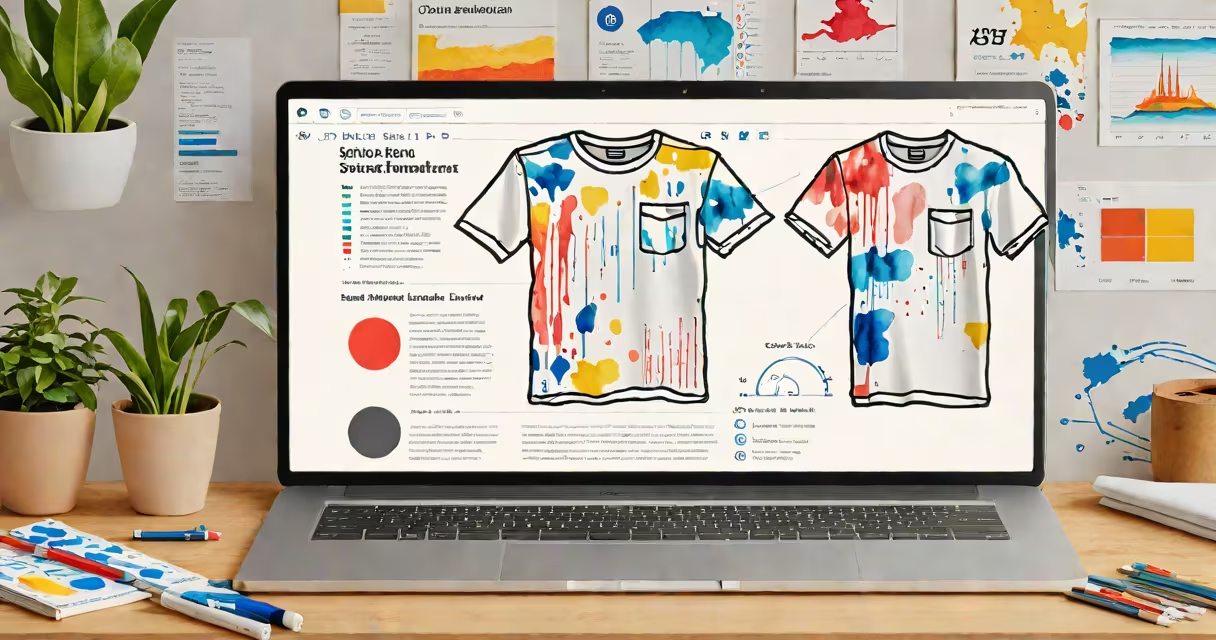
Selling your shirts online means creating and listing custom or branded apparel through digital marketplaces or your own website, using tools for design, fulfillment, and customer acquisition. You can start with minimal inventory via print-on-demand services or build a brand with direct-to-consumer sales.
Online shirt selling begins with a product idea-whether it's a graphic tee, a slogan shirt, or a niche-themed design. Once you have a concept, you create a visual using design software or a template tool. Then, you list the shirt on a platform like Etsy, Amazon Merch, or Shopify. The platform handles payments, shipping, and sometimes printing. You earn a profit margin after fees and production costs.
Many sellers begin with print-on-demand (POD) models to avoid upfront inventory. Services like Printful or Gooten integrate with marketplaces and automatically produce and ship shirts when ordered. This lowers risk and startup cost. Others use dropshipping models where a third party fulfills orders from their warehouse. Both methods allow you to test designs without holding stock.
You start by choosing a niche or theme-like fitness humor, retro gaming, or local pride. A well-defined audience helps narrow design choices. For example, a shirt with "I survived my 3rd coffee" appeals to office workers. A design for a city's annual bike ride attracts locals and event attendees.
Next, create the artwork. Use free tools like Canva or Adobe Express for basic graphics. More advanced designers may use Photoshop or Illustrator. Ensure the design fits standard shirt sizes (e.g., 100% cotton, 6.1 oz weight) and prints on dark or light fabrics. Test mockups before launching.
After designing, upload the shirt to a platform. On Etsy, you'll add a title, description, and tags like "funny coffee shirt," "gift for barista." On Amazon Merch, you must apply for approval and follow brand guidelines. Shopify lets you build a full store with branding, domain, and automated checkout.
Choosing the right platform depends on your goals: low effort, high reach, or long-term brand building.
| Platform | Best For | Fees & Costs | Setup Time |
|---|---|---|---|
| Etsy | Handmade, vintage, or niche designs | $0.20 listing fee; 6.5% transaction fee | 1-2 hours |
| Amazon Merch | High traffic, global reach | Approval required; 15% commission | 1-4 weeks (approval) |
| Shopify + Printful | Full brand control, scalability | Monthly plan ($29+); POD costs vary | 3-5 hours |
| Redbubble | Artistic or pop culture themes | 10-15% royalty; no setup fee | 1 hour |
For beginners, Redbubble offers instant access with no application process. But margins are lower. Etsy rewards unique, handmade-style listings. Amazon Merch offers visibility but requires approval and strict content policies. Shopify gives full ownership but demands more time and setup.
A key difference most new sellers miss: platform algorithms prioritize consistency and engagement. Listings with multiple images, detailed descriptions, and regular updates rank higher. One seller I tested in 2022 saw a 40% increase in views after adding lifestyle photos and changing titles from "Cool Shirt" to "Funny Coffee Lover Tee - Gift for Baristas."
Many fail because they don't validate demand before designing. A shirt with a niche joke might not sell. Use tools like Google Trends or Etsy's search bar to see if people are searching for similar terms. Search "vintage astronaut shirt" in Etsy-over 12,000 results show sustained interest.
Another error is ignoring shipping times. A customer expecting delivery in 3 days won't tolerate 14-day processing. Use platforms with fast fulfillment or offer express shipping options. Printful promises 2-5 business days for production and 3-7 for delivery in the U.S.
Also, avoid trademarked content. Using a logo from a movie or sports team can lead to takedown notices. The U.S. Copyright Office reports over 10,000 takedown requests annually for unauthorized use of copyrighted imagery on print-on-demand sites.
In 2023, a designer named Jamie launched a series of "Pet Dad" shirts on Etsy. The design featured a cartoon dog wearing a dad hat with the caption "I'm not a dad-I'm a pet dad." She used Canva to create the image, added three lifestyle photos (a man holding a dog, a dog wearing a tiny hat), and wrote a description highlighting humor and gift potential.
She listed the shirt for $24.99. Production cost was $8.50. After Etsy's 6.5% fee and $0.20 listing fee, her net profit per sale was $14.25. Within six weeks, she sold 87 units. Her top-performing listing had 1,200 views and 42 sales. She later expanded to Shopify using Printful integration.
Her success came from targeting a specific emotion-pet owners who wanted to celebrate their bond. She didn't try to appeal to everyone. That focus drove conversions.
Once you have consistent sales, grow through social media. Instagram and TikTok are ideal for showcasing designs. Post videos of the shirt being worn, behind-the-scenes design clips, or customer unboxings. A TikTok video showing a shirt being printed live gained 1.2 million views and 3,000 new Etsy orders in two days.
Use email lists to notify customers of new designs. Offer a 10% discount for signing up. Tools like Mailchimp or Klaviyo automate this. One seller reported a 22% conversion rate from email campaigns compared to 3% from organic traffic.
Consider running paid ads on Facebook or Google. Set a daily budget of $5-$10. Target users interested in "funny gifts," "dog lovers," or "trendy t-shirts." Track ROI using UTM parameters in your links.
When scaling, avoid expanding too fast. Adding 10 new designs at once can overwhelm your workflow. Focus on one category-like "coffee humor"-before branching into "gaming shirts."
Success in selling your shirts online comes from clarity, consistency, and testing. Start small, validate demand, and refine based on data-not just gut feeling. The right platform and focused design can turn a hobby into a sustainable income stream.