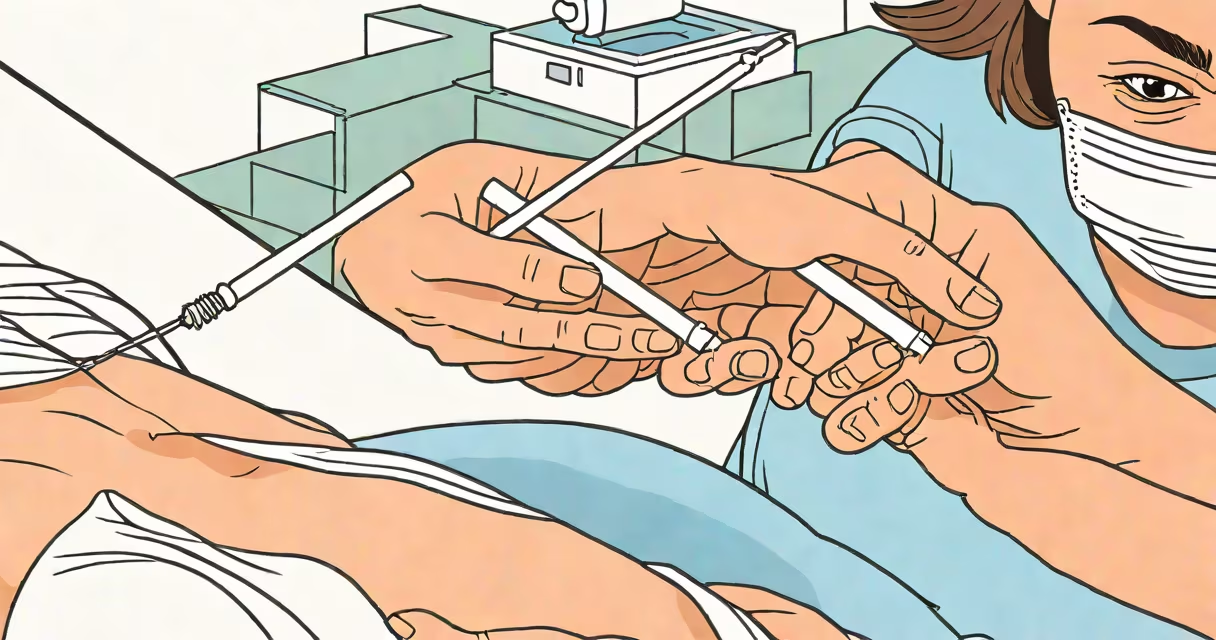
Group B strep (GBS) is not contagious in the way colds or flu are. It does not spread through casual contact, airborne droplets, or touching surfaces. However, it can be passed from a pregnant person to their baby during labor and delivery.
GBS is a bacterium-Streptococcus agalactiae-that lives harmlessly in the digestive tract, rectum, or genital area of healthy adults. About 25% of pregnant people carry GBS in their lower intestine or vagina without symptoms. The risk arises when the baby passes through the birth canal and is exposed to the bacteria.
Screening for GBS is standard in U.S. pregnancies. A vaginal and rectal swab is taken between 35 and 37 weeks gestation. If positive, intravenous antibiotics during labor reduce the chance of passing GBS to the baby by 80% or more. This routine practice has cut early-onset GBS infections in newborns by over 80% since the 1990s.
During labor, the baby's skin and mucous membranes come into direct contact with the mother's GBS-colonized birth canal. The bacteria can enter the baby's bloodstream, lungs, or central nervous system. Once inside, they may cause sepsis, pneumonia, or meningitis within hours or days after birth.
Transmission is not guaranteed. Only about 1 in 200 babies born to mothers who test positive actually develop GBS disease. But the consequences can be severe. Without treatment, GBS causes life-threatening illness in approximately 1 in 4 affected newborns.
A 2022 study published in *The Journal of Infectious Diseases* tracked 12,000 births across 16 hospitals. Babies whose mothers received antibiotics during labor had a 94% lower rate of early-onset GBS infection compared to those who did not. This confirms that antibiotic prophylaxis is effective when administered correctly.
Unlike viruses such as influenza or SARS-CoV-2, which spread easily through respiratory droplets, GBS does not survive long outside the body. It cannot be caught from sharing utensils, kissing, or hugging. There is no evidence of person-to-person spread among adults or children outside of childbirth.
GBS is not a sexually transmitted infection. While it can be found in the genital tract, it is not transmitted through sex. It is part of the normal microbiome in many people and often moves in and out of the body without notice.
Some parents worry about siblings getting sick from a newborn with GBS. That concern is unfounded. The bacteria do not spread from infant to infant in homes or daycare settings. The only known route of transmission is vertical-from mother to baby during delivery.
There are multiple serotypes of Group B strep, classified by their surface proteins. The most common and dangerous in human infections is serotype III. This strain is strongly linked to neonatal meningitis and invasive disease.
Other serotypes-such as Ia, Ib, II, and IV-are less frequently associated with serious illness in newborns. However, all GBS strains have the potential to cause infection if they cross into the bloodstream during birth.
| Serotype | Prevalence in Carriers | Risk of Neonatal Disease |
|---|---|---|
| III | ~40% | High (linked to meningitis) |
| Ia | ~20% | Moderate |
| Ib | ~15% | Moderate |
| II | ~10% | Low |
| IV | ~5% | Low |
Testing for specific serotypes is not done routinely because treatment remains the same regardless of type. Antibiotics during labor prevent disease across all serotypes.
Many people assume that if a partner tests positive for GBS, they must be treated to avoid spreading it. This is incorrect. GBS is not transmitted through sexual contact, and partners do not need treatment unless they are pregnant.
Another myth is that GBS can be prevented with probiotics or supplements. While some research suggests certain vaginal probiotics may reduce colonization rates slightly, no supplement or natural remedy has proven effective in preventing GBS transmission during birth.
A 2021 clinical trial at Johns Hopkins University tested Lactobacillus rhamnosus GG in 300 pregnant people. Those using the probiotic had a 12% lower rate of GBS colonization at delivery-but the difference was not statistically significant. The CDC continues to recommend antibiotic prophylaxis, not probiotics, as the gold standard.
In 2020, a woman in rural Oregon tested positive for GBS at 36 weeks. She had no symptoms and was unaware she carried the bacteria. During labor, her provider administered ampicillin intravenously every four hours until delivery.
Her baby was born at 38 weeks, weighed 7 pounds 4 ounces, and showed no signs of infection. Blood cultures were negative. The child remained healthy at six months and one year follow-up. This outcome reflects the success of current guidelines.
Had she not received antibiotics, the baby's risk of developing early-onset GBS disease would have been about 1 in 200. The intervention reduced that risk to less than 1 in 1,000.
If a woman tests positive for GBS, she should receive antibiotics during labor. This is typically given every four hours until delivery. The most common drug is penicillin, but alternatives exist for people with allergies.
For babies who show signs of infection-such as breathing problems, low heart rate, or poor feeding-doctors perform blood tests, spinal taps, and chest X-rays. Treatment includes intravenous antibiotics and supportive care in the NICU if needed.
Most infants who develop GBS disease recover fully with prompt treatment. Long-term complications occur in fewer than 5% of cases, according to the American College of Obstetricians and Gynecologists (ACOG).
Understanding that Group B strep is not contagious in daily life helps reduce fear. The focus should remain on prenatal screening and timely antibiotic use during labor. These steps protect babies without requiring isolation or special precautions.