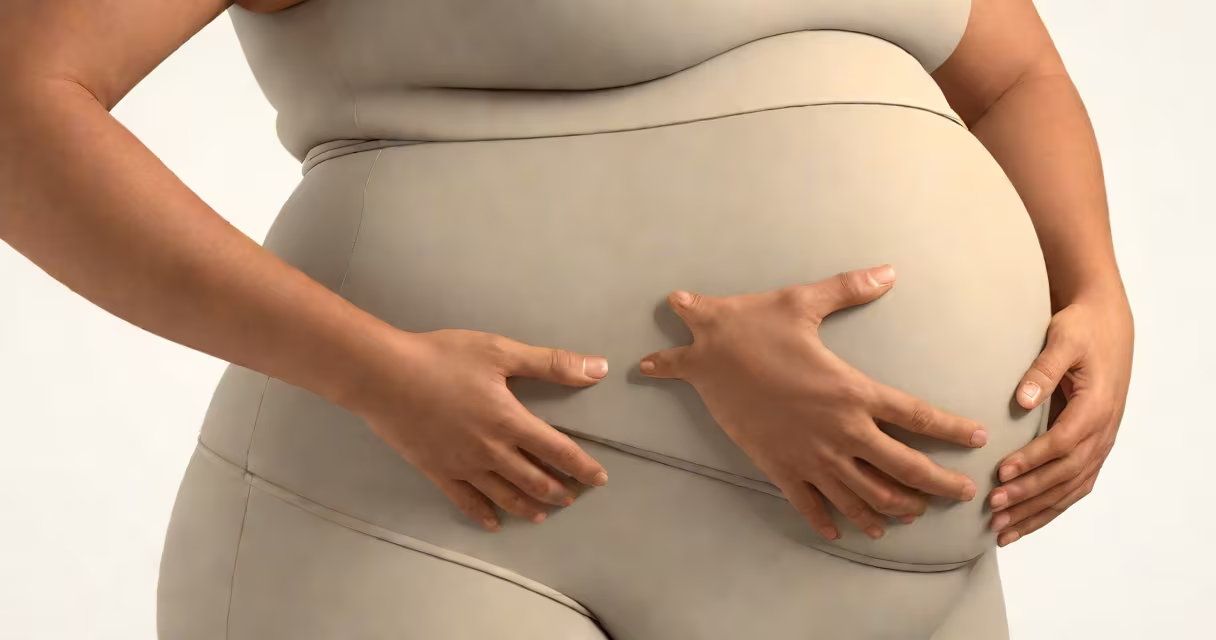
Unexplained weight gain bloating refers to sudden or persistent abdominal swelling that feels like weight gain but results from trapped gas, fluid retention, or intestinal fermentation-not actual fat accumulation. This sensation often leads people to misattribute temporary volume increases to long-term weight changes.
Bloating is a symptom, not a disease. It occurs when the gastrointestinal tract accumulates excess air or fluid, distending the abdomen. Unlike true weight gain-which involves increased adipose tissue-bloating causes visible and tactile swelling without measurable changes in body fat percentage. A 2021 study in *Gastroenterology & Hepatology* found that 68% of patients reporting "weight gain" during flare-ups of irritable bowel syndrome (IBS) actually experienced bloating, not fat increase.
True weight gain requires a sustained caloric surplus over time. Bloating, however, can appear overnight due to dietary triggers like high-FODMAP foods (e.g., onions, garlic, beans), lactose intolerance, or disrupted gut microbiota. The confusion arises because both conditions share visual cues-abdominal enlargement-but differ fundamentally in cause and treatment.
The abdomen expands during bloating due to pressure from gas, fluid, or undigested food. Gas forms when bacteria ferment carbohydrates in the colon. For example, eating a large serving of lentils can produce up to 1.5 liters of gas in 4-6 hours, leading to noticeable distension. Fluid retention may follow sodium intake, especially in individuals sensitive to salt or with hormonal fluctuations.
When bloating persists, it may indicate underlying gastrointestinal dysfunction. Functional gastrointestinal disorders such as IBS affect 10-15% of adults globally, according to the Rome Foundation. These conditions involve altered gut motility and visceral hypersensitivity, causing discomfort and swelling even with normal food intake. A 2020 clinical review in *The American Journal of Gastroenterology* confirmed that bloating severity correlates more strongly with symptom burden than with actual intestinal volume.
Crucially, bloating does not alter body composition. Measuring body fat via DEXA scan or bioelectrical impedance shows no change during bloating episodes. Yet the visual and tactile effects mimic weight gain, leading to unnecessary dietary restriction or anxiety about metabolism.
Bloating varies in origin. The most common types include:
| Type | Common Causes | Typical Duration | Diagnostic Clue |
|---|---|---|---|
| Gaseous bloating | High-FODMAP foods, swallowing air (aerophagia) | 1-6 hours post-meal | Passing gas relieves pressure |
| Fluid retention bloating | High sodium intake, menstrual cycle, medications | Hours to days | Swelling worsens with salt; improves with diuretics |
| Intestinal fermentation | Small intestinal bacterial overgrowth (SIBO), carbohydrate malabsorption | Chronic, intermittent | Worsens after meals; may include diarrhea or constipation |
For instance, a patient consuming a meal rich in wheat, onions, and dairy may develop gaseous bloating within two hours. The abdomen swells visibly, and pressure builds. Passing gas provides relief. This process takes place in the colon, where microbes break down indigestible fibers into hydrogen and methane gases.
A lesser-known trigger is delayed gastric emptying. When the stomach empties slowly, food sits longer, increasing fermentation and gas production. A 2019 study in *Alimentary Pharmacology & Therapeutics* linked delayed gastric emptying to bloating in 44% of IBS-D patients.
People mistake bloating for weight gain because both result in a larger waistline. A 2022 survey by the National Institute of Diabetes and Digestive and Kidney Diseases found that 63% of respondents who reported unexplained weight gain had no change in body fat percentage upon measurement. Instead, they were experiencing bloating.
This confusion leads to ineffective strategies. Dieters may reduce calories further, worsening nutrient deficiency and gut health. Others may avoid social events due to fear of visible swelling, impacting mental well-being. The psychological toll includes anxiety around food choices and body image distortion.
One key distinction: bloating is localized to the abdomen. True weight gain affects the entire body, including hips, thighs, and arms. A man gaining 2 kg of fat will see changes across multiple areas. Bloating remains confined to the midsection and often fluctuates rapidly-swelling in the morning, subsiding by evening.
Consider a 34-year-old woman who reports gaining 3 kg in one week. She tracks her diet and exercise but sees no change in body fat. Her scale shows 72 kg. A physical exam reveals significant abdominal distension. After a 24-hour fasting test, she consumes a standard lunch: grilled chicken, quinoa, steamed broccoli, and a glass of milk.
Within four hours, her abdomen swells visibly. She reports tightness and discomfort. A breath test confirms elevated hydrogen levels-indicating carbohydrate malabsorption. She's later diagnosed with lactose intolerance and fructose malabsorption. Eliminating dairy and high-fructose vegetables reduces bloating within 72 hours. Her weight returns to baseline.
This case illustrates that bloating can mimic weight gain without altering body composition. The resolution required identifying the root cause-not reducing calorie intake.
First, differentiate between bloating and actual weight gain. Measure body fat using a home scale with body composition tracking, or consult a clinician for DEXA or bioimpedance analysis. If body fat remains stable but the abdomen swells, bloating is likely the culprit.
Track symptoms using a food and symptom diary. Note timing, portion size, ingredients, and sensations. Common culprits include beans, cabbage, carbonated drinks, and artificial sweeteners like sorbitol. Reducing these can improve outcomes.
If bloating persists despite dietary changes, seek evaluation for SIBO, IBS, or thyroid dysfunction. A stool test for calprotectin can rule out inflammatory bowel disease. Blood tests for thyroid-stimulating hormone (TSH) and free T4 help exclude hypothyroidism, which can cause fluid retention and bloating.