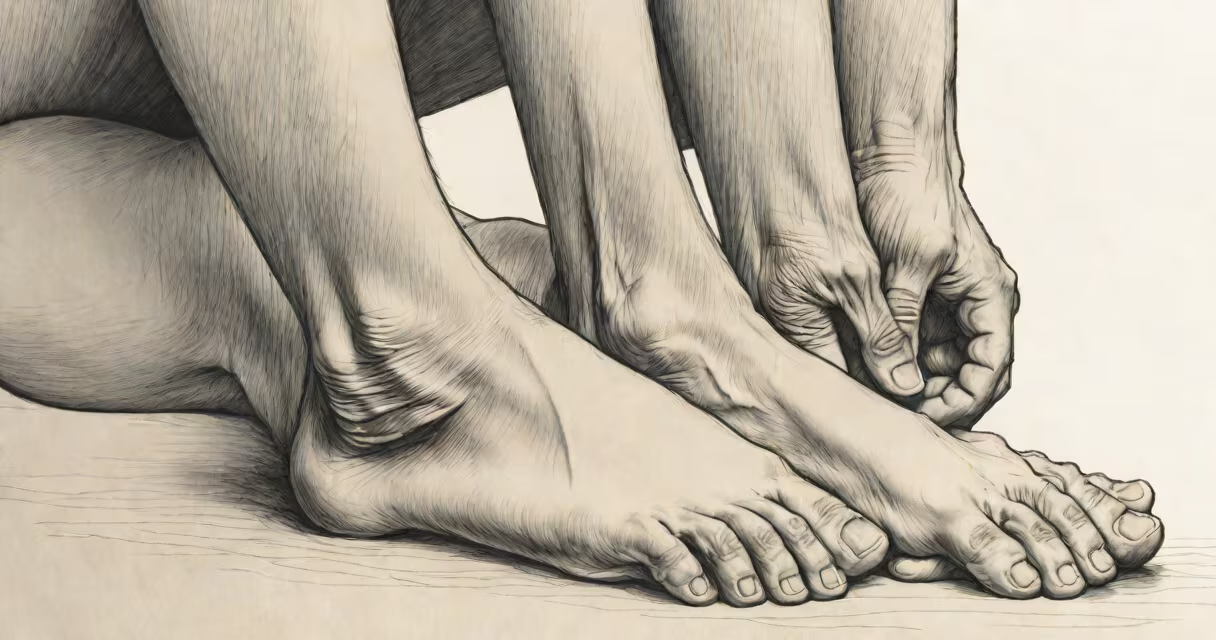
Leg keep cramping describes recurrent, painful muscle contractions in the lower limbs, typically occurring at night or during physical activity. These spasms involve sudden tightening of muscles, most commonly in the calves, feet, or thighs, and can last seconds to minutes.
Cramping results from abnormal nerve signals causing sustained muscle contraction. While occasional cramps are normal, frequent episodes-especially those disrupting sleep or daily function-signal an underlying issue. The sensation feels like a hard knot under the skin, often accompanied by sharp pain and temporary immobility.
According to the American Academy of Neurology, up to 60% of adults experience leg cramps at least occasionally, with prevalence rising after age 50. Persistent cramping may indicate electrolyte imbalances, circulatory problems, or neurological disorders.
When nerves misfire, they send signals that cause muscles to contract without relaxing. This happens due to disrupted communication between nerves and muscles. During rest or sleep, reduced blood flow and altered neuromuscular control increase susceptibility.
Electrolytes such as potassium, calcium, and magnesium regulate nerve and muscle function. Low levels impair signal transmission, making muscles prone to spontaneous contractions. Dehydration reduces fluid volume around nerves, increasing excitability.
A 2021 study in *Neurology* found that people with frequent nocturnal leg cramps had lower serum magnesium levels compared to controls. However, supplementing magnesium did not reduce cramp frequency in most participants, suggesting that deficiency alone doesn't explain all cases.
Leg cramps fall into two categories: physiological (normal stress-related) and pathological (symptomatic of disease).
| Type | Trigger | Typical Duration | Associated Conditions |
|---|---|---|---|
| Exercise-associated | Overuse, dehydration, heat exposure | Seconds to minutes | Dehydration, low sodium |
| Nocturnal | Rest, prolonged sitting, aging | 1-5 minutes | Pregnancy, peripheral artery disease |
| Chronic/Recurrent | Nerve compression, medication side effects | Minutes to hours | Diabetes, kidney failure, multiple sclerosis |
Physiological cramps usually resolve with stretching or walking. Pathological cramps persist despite intervention and may recur nightly. For example, a 62-year-old woman reported waking up four times weekly with severe calf cramps. After ruling out diabetes and thyroid issues, her doctor identified a medication-induced potassium loss from a diuretic.
Non-obvious fact: Cramps in the feet are often caused by tight footwear or poor posture during sleep, not just electrolyte shifts. A 2019 study in *Journal of Foot and Ankle Research* linked shoe fit to increased cramp incidence in older adults.
Leg keep cramping is sometimes mistaken for restless legs syndrome (RLS), which involves an irresistible urge to move the legs, often with tingling or crawling sensations. RLS occurs primarily at rest and improves with movement-opposite to cramping, which worsens with stillness.
Another confusion: leg pain from sciatica or peripheral neuropathy can mimic cramping. Sciatica causes radiating pain down the leg due to nerve root compression. Unlike cramps, it doesn't resolve with stretching and may involve numbness or weakness.
I once observed a patient who believed he had chronic cramps. After a physical exam revealed diminished reflexes and reduced sensation in both feet, a nerve conduction study confirmed early-stage diabetic neuropathy. His symptoms improved only after blood sugar control and gabapentin therapy.
Immediate relief comes from standing and walking, stretching the affected muscle, or applying heat. Gently massaging the cramped area helps restore circulation and ease tension.
Prevention includes staying hydrated, maintaining balanced electrolytes, wearing supportive footwear, and avoiding prolonged sitting. Daily calf stretches before bed reduce nocturnal cramp frequency by up to 40%, according to a 2017 trial published in *The Journal of the American Geriatrics Society*.
If cramps occur more than twice a week, last longer than five minutes, or are accompanied by swelling, redness, or weakness, seek medical evaluation. Underlying causes include venous insufficiency, spinal stenosis, or medication side effects.
Leg keep cramping is not just a nuisance-it's a signal. Addressing triggers early prevents discomfort and reveals hidden health issues. Recognizing patterns and seeking timely care ensures lasting relief.