Leptospirosis is a bacterial infection caused by spirochetes of the genus Leptospira, primarily transmitted through contact with urine from infected animals, especially rodents, raccoons, and dogs. It affects both animals and humans, making it a zoonotic disease with serious health consequences.
The bacteria enter the body through mucous membranes or broken skin, often via contaminated water or soil. Once inside, they multiply in the bloodstream and can damage the kidneys, liver, and other organs. Early detection and treatment with antibiotics are critical to prevent severe complications.
According to the Centers for Disease Control and Prevention (CDC), leptospirosis occurs worldwide but is more common in tropical and subtropical regions. The World Health Organization (WHO) estimates 1 million cases annually, with 5-15% resulting in death if untreated. In dogs, the disease is increasingly reported in urban and suburban areas due to rising wildlife populations.
Transmission happens when a person or animal comes into contact with water, soil, or food contaminated with the urine of an infected animal. The bacteria survive in warm, moist environments for weeks, making standing water, puddles, and damp grass high-risk zones.
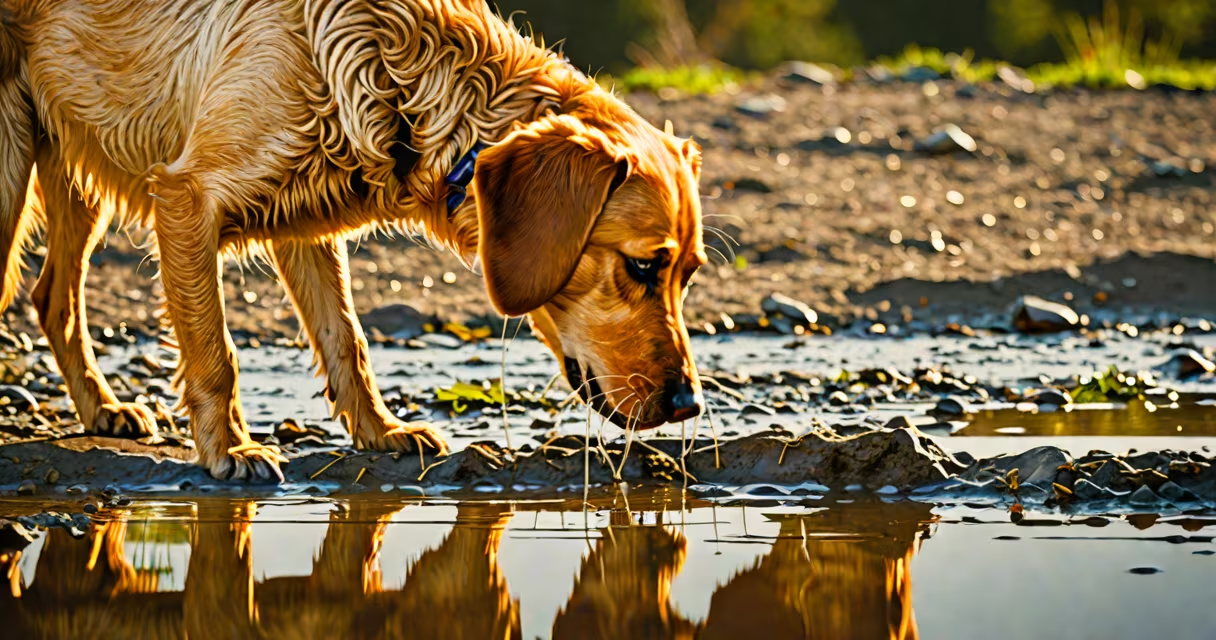
Dogs are particularly vulnerable because they often drink from puddles or swim in lakes and rivers. A single episode of walking through a contaminated area can lead to infection. Humans can contract it through occupational exposure (farmers, veterinarians) or recreational activities like kayaking or hiking in endemic zones.
A 2021 study published in *Veterinary Microbiology* found that 12% of healthy dogs in urban parks tested positive for Leptospira antibodies, indicating past exposure. This suggests environmental contamination is widespread and underreported.
More than 250 serovars of Leptospira exist, but only a few cause significant disease in humans and animals. The most common pathogenic serovars include:
Vaccines available for dogs cover four serovars: Icterohaemorrhagiae, Canicola, Grippotyphosa, and Pomona. However, protection is limited to these specific strains, and immunity wanes after 12 months.
| Strain | Primary Host | Common Symptoms in Dogs | Human Risk Level |
|---|---|---|---|
| Icterohaemorrhagiae | Rats | Fever, vomiting, jaundice, kidney failure | High |
| Canicola | Dogs | High fever, lethargy, muscle pain | Medium |
| Grippotyphosa | Raccoons, rodents | Pneumonia, joint swelling, fever | Medium |
| Pomona | Cattle, pigs | Abdominal pain, blood in urine | Low |
In dogs, initial signs appear 2-20 days after exposure and include fever, loss of appetite, vomiting, and muscle pain. As the disease progresses, jaundice (yellowing of eyes and gums), dark urine, and dehydration develop. Without treatment, kidney failure and death can occur within days.
Humans may experience flu-like symptoms-fever, chills, headache, muscle aches-followed by more severe complications such as meningitis, liver failure, or pulmonary hemorrhage. The acute phase lasts 5-7 days, but recovery can take weeks.
One case reported in *The New England Journal of Medicine* involved a 34-year-old man who developed acute renal failure after swimming in a lake in Florida. He had no known risk factors but tested positive for Leptospira serovar Icterohaemorrhagiae. His condition improved only after intravenous antibiotics and dialysis.
Diagnosis relies on blood tests detecting antibodies or PCR testing for bacterial DNA. A single test may yield false negatives early in infection. Veterinarians often perform paired serum tests, taken 10-14 days apart, to confirm rising antibody levels.
Treatment involves aggressive antibiotic therapy. Doxycycline is preferred for early-stage infections, while penicillin derivatives are used for advanced cases. Supportive care includes fluid therapy, anti-nausea medication, and liver protectants.
Recovery rates exceed 80% when treatment begins within 48 hours of symptom onset. Delayed treatment increases the risk of permanent organ damage. In one study, 60% of dogs treated after day 5 showed residual kidney dysfunction.
Vaccination reduces the risk of infection but does not eliminate it. The vaccine is administered in two doses, 2-4 weeks apart, followed by annual boosters. Protection lasts approximately 12 months, and efficacy varies by strain.
Environmental management is key. Avoid letting pets drink from stagnant water sources. Clean up rodent droppings promptly. Disinfect kennels with a 1:32 bleach solution, which kills Leptospira in minutes.
When working with potentially infected animals, wear gloves and eye protection. If you suspect exposure, seek medical evaluation within 72 hours. Early intervention prevents progression to life-threatening stages.
During a summer hike in Oregon, I observed a dog collapse after drinking from a stream. The owner reported no prior symptoms. Blood work confirmed leptospirosis. The dog survived after 10 days of hospitalization and IV antibiotics. This case underscored how quickly the disease can progress in otherwise healthy animals.
Leptospirosis what is it? A preventable yet dangerous bacterial infection transmitted through contaminated water and animal urine. Its impact spans pets and people, requiring vigilance in high-risk environments and timely medical response.