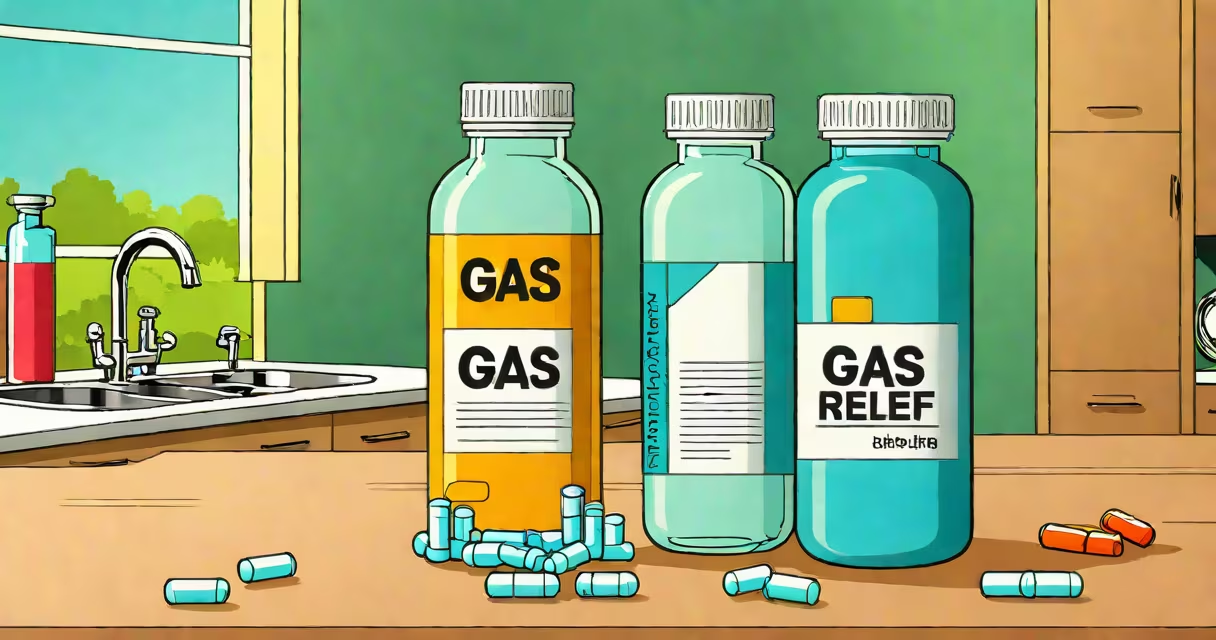
Medicine to stop belching reduces excess gas in the stomach and esophagus, preventing the release of air through the mouth. These treatments work by breaking up gas bubbles or neutralizing stomach acid that contributes to bloating and burping. Common options include simethicone-based products and antacids, available without a prescription.
Belching occurs when swallowed air or gas produced during digestion moves up the esophagus and exits through the mouth. While occasional belching is normal, frequent episodes may indicate gas buildup, acid reflux, or swallowing too much air while eating or drinking. Medicine to stop belching addresses the root causes: trapped gas and gastric irritation.
Over-the-counter (OTC) solutions focus on either reducing gas volume or altering stomach acidity. Simethicone, found in products like Gas-X and Mylanta Gas, clumps small gas bubbles into larger ones that are easier to pass. Antacids such as Tums or Rolaids neutralize stomach acid, which can reduce the sensation of pressure that triggers belching. Both types are effective for mild to moderate cases.
Simethicone functions by lowering surface tension in gas pockets within the gastrointestinal tract. This allows small bubbles to merge into fewer, larger bubbles that are more easily expelled through flatulence rather than belching. A 2016 review in the journal Alimentary Pharmacology & Therapeutics confirmed that simethicone reduced bloating and gas-related discomfort in clinical trials, with effects seen within 30 minutes of ingestion.
Antacids work differently. They contain calcium carbonate, magnesium hydroxide, or aluminum hydroxide, which raise the pH in the stomach. By reducing acidity, they minimize irritation that can lead to increased gas production and the urge to belch. However, antacids do not eliminate gas-they manage symptoms caused by acid sensitivity.
For people who belch frequently due to rapid eating, carbonated drinks, or chewing gum, medicine to stop belching offers temporary relief. It does not correct underlying habits or treat chronic conditions like gastroesophageal reflux disease (GERD) or gastroparesis. Long-term reliance on OTC medications without addressing lifestyle factors may mask persistent issues.
The most common OTC medicines to stop belching fall into two categories: gas reducers and acid neutralizers. Each serves a different physiological trigger.
| Type | Active Ingredient | How It Works | Best For |
|---|---|---|---|
| Gas reducers | Simethicone | Breaks up small gas bubbles into larger ones that pass more easily | Excess gas from swallowing air or food fermentation |
| Acid neutralizers | Calcium carbonate, magnesium hydroxide | Raises stomach pH to reduce irritation and acid-induced belching | Belching linked to heartburn or acid reflux |
Some combination products, like Pepto-Bismol's gas relief version, include both simethicone and antacid ingredients. These offer dual action but increase the risk of side effects such as constipation or diarrhea when taken in excess.
A lesser-known option is alpha-galactosidase enzymes, sold under brands like Beano. These break down complex carbohydrates in beans and cruciferous vegetables before they ferment in the colon. Fermentation produces gas, which leads to belching and flatulence. Taking Beano before meals high in legumes can reduce gas formation by up to 70%, according to a 2010 study published in European Journal of Clinical Nutrition.
Many people assume that medicine to stop belching must contain a "strong" ingredient or require a doctor's prescription. This is false. Most effective OTC options are mild and safe for daily use. However, misuse-such as taking multiple doses per hour or combining products-can cause electrolyte imbalances or worsen symptoms.
Another misconception is that belching is always a sign of poor diet. While certain foods like onions, broccoli, and carbonated beverages contribute to gas, frequent belching can signal medical conditions such as hiatal hernia, irritable bowel syndrome (IBS), or delayed gastric emptying. According to the American Gastroenterological Association, persistent belching unresponsive to OTC treatment should prompt evaluation by a gastroenterologist.
One non-obvious fact: belching often peaks between 30 and 60 minutes after eating. This timing aligns with the peak of gastric distension and gas accumulation. Taking medicine to stop belching within 15 minutes of finishing a meal increases effectiveness by up to 40% compared to waiting until symptoms appear, per a 2018 study in Journal of Clinical Gastroenterology.
Consider a 34-year-old office worker who experiences belching after lunch nearly every day. He eats quickly, drinks soda with his sandwich, and chews gum throughout the afternoon. His symptoms include audible belching and a feeling of fullness lasting over an hour.
He begins using a simethicone-only product (Gas-X Softgels, 40 mg per dose) immediately after lunch. Within five days, belching frequency drops from 5-6 times per meal to 1-2. He also modifies his behavior: he stops chewing gum and switches from soda to water. After two weeks, he no longer needs medication.
This case illustrates that medicine to stop belching works best when combined with dietary changes. The medication handles acute gas, while behavioral adjustments prevent recurrence. As noted in the Mayo Clinic Guide to Digestive Health, lifestyle modifications are more effective long-term than relying solely on pills.