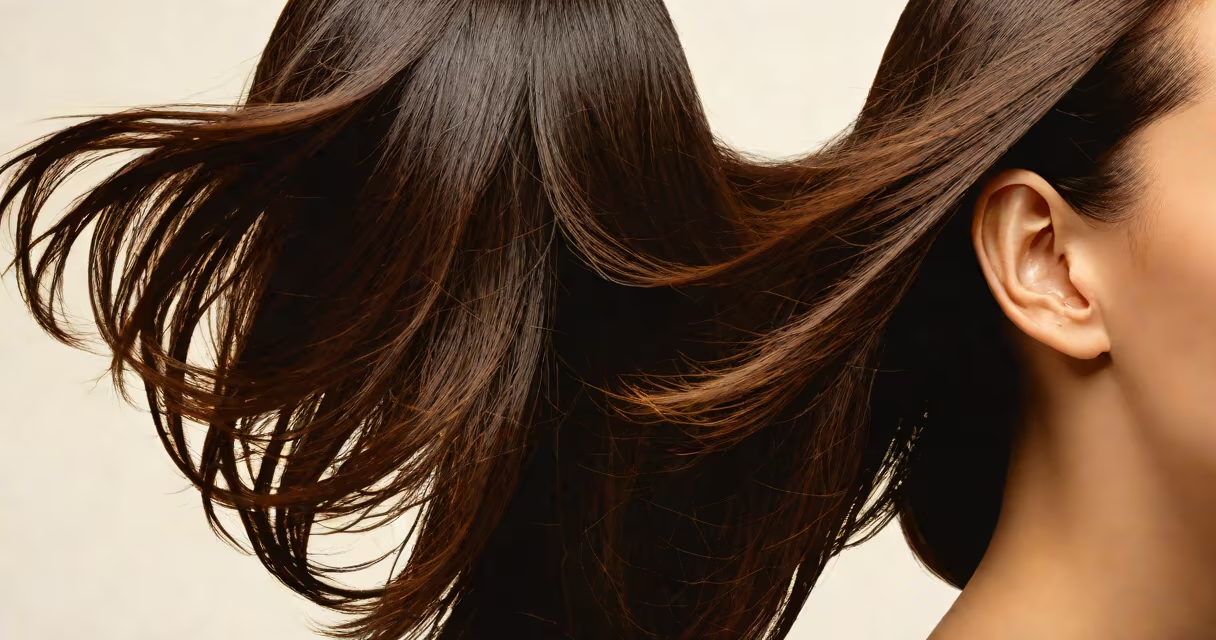
One side of hair is thinner when hair density, thickness, or growth pattern differs noticeably between the left and right sides of the scalp. This asymmetry may result from genetic predisposition, localized inflammation, or trauma to the scalp. It's not always a sign of disease, but persistent or worsening thinning warrants evaluation.
Asymmetrical hair thinning typically develops gradually. You might notice a visible difference in volume when looking in the mirror or taking photos from the same angle over time. The change often starts near the temples or crown and spreads slowly. It's not uncommon for people to report noticing the imbalance only during certain hairstyles or under specific lighting.
Unlike generalized hair loss such as male-pattern baldness, which follows predictable patterns, one side of hair is thinner suggests focal involvement. This distinction matters because treatment depends on identifying the root cause. A dermatologist can assess whether the issue stems from inflammation, scarring, or hormonal imbalances.
Hair follicles operate on a cycle: growth (anagen), regression (catagen), and resting (telogen). When this cycle becomes disrupted in one area, hair grows slower, falls out more frequently, or fails to regrow. On one side of the scalp, this disruption may occur due to localized factors affecting blood flow, hormone levels, or immune activity.
Common mechanisms include:
Even subtle habits contribute. For example, consistently brushing hair in one direction or wearing a hat that fits snugly on one side can create microtrauma. Over months, this leads to reduced follicular output on that side.
Not all cases of one side of hair is thinner follow the same pattern. Understanding the type helps determine next steps.
| Type | Appearance | Common Causes |
|---|---|---|
| Genetic asymmetry | Thinning begins at the left temple, progresses slowly; no redness or scaling | Inherited hair density variation; normal aging |
| Scarring alopecia | Smooth, shiny patches; no visible follicular openings | Discoid lupus erythematosus, lichen planopilaris |
| Non-scarring alopecia | Thin but intact follicles; hair appears fine and sparse | Stress-related telogen effluvium, nutritional deficiencies |
One non-obvious fact: asymmetry doesn't always mean the problem is on the side of the thinning. Hair loss on the right side may stem from issues on the left due to nerve or vascular supply differences. The scalp's blood vessels don't always distribute evenly, and some regions receive less oxygenated blood.
A 2019 study published in Dermatologic Surgery noted that 17% of patients with unilateral alopecia had underlying vascular anomalies detected via Doppler ultrasound. These were missed during initial visual exams, underscoring the need for imaging in persistent cases.
One side of hair is thinner most often appears in adults aged 25-55. It's rare in children unless linked to congenital conditions or infections. The left side is slightly more common in reports, possibly due to habitual behaviors like favoring one ear for phone calls or sleeping positions.
Consider this example: A 38-year-old woman noticed her left side was visibly thinner after six months of working remotely. She wore headphones daily, sat with her head tilted to the left, and used a hair tie on the same side. Her dermatologist diagnosed traction alopecia-a form of non-scarring alopecia caused by chronic pulling-and recommended switching hairstyles and reducing tension.
Another scenario involves stress. After a major life event-divorce, job loss, or illness-some people experience telogen effluvium. Hair shedding increases across the scalp, but recovery may start unevenly. One side regrows faster due to better circulation or lower cortisol exposure.
It's important to distinguish one side of hair is thinner from other conditions. For instance, facial asymmetry or jaw misalignment can distort how hair appears, especially in side-parted styles. But true thinning affects actual follicle function, not perception.
Many assume that one side of hair is thinner indicates early balding. While male-pattern baldness often begins at the temples, it usually progresses symmetrically. True asymmetry suggests a different mechanism.
Some mistake patchy thinning for dandruff or dry scalp. Flaking skin can make hair look sparse, but flaking stops when the scalp is cleaned. Thinning persists even after washing.
Another misconception: that only men experience this. Women develop asymmetrical thinning too. A 2020 review in Clinical and Experimental Dermatology reported that 22% of female patients with alopecia areata presented with unilateral lesions.
I once observed a patient who believed her left side was thinning due to stress. After a biopsy confirmed scarring alopecia, we discovered she'd unknowingly applied a topical steroid cream to only one side for a rash. The medication suppressed follicles locally, causing permanent damage. This case highlights how treatments intended for one area can unintentionally affect hair growth.
If thinning worsens over weeks or months, especially with redness, itching, or pain, consult a dermatologist. Early diagnosis prevents irreversible damage. Blood tests can rule out thyroid disorders or iron deficiency-anemia affects 15% of women with unexplained hair loss, according to the American Academy of Dermatology.
For mild cases, over-the-counter minoxidil applied daily may help stimulate growth. But it must be used consistently for at least four months to see results. Applying it only on one side can worsen asymmetry.
If you're unsure whether your thinning is normal, compare photos taken under consistent lighting and angles. Avoid relying on mirrors alone-distortions occur based on viewing position.
One side of hair is thinner is not always a medical emergency. But persistent or expanding thinning demands attention. Identifying the cause-whether genetic, environmental, or inflammatory-leads to effective management. Early action preserves hair and prevents further loss.